Close Menu
  • Home
  • UNSUBSCRIBE
  • News
  • Lifestyle
  • Tech
  • Entertainment
  • Sports
  • Travel
Facebook X (Twitter) WhatsApp
Trending
  • OpenAI’s internal AI model just solved an 80-year-old math problem ‪—‬ and mathematicians verified it
  • Skeletal remains of Queen Elisenda, one of the most powerful rulers in medieval Europe, unearthed in Barcelona — along with several others who bore unexplained stab wounds
  • Tests that measure ‘biological age’ aren’t helpful for tracking your health, scientists say
  • Japan hits 6G key milestone with high-frequency speeds topping 100 Gbps
  • War has brought Iran’s water crisis to a breaking point: ‘Things will collapse unless there is meaningful structural change’
  • Fingal’s Cave: Scotland’s ‘cave of melody’ where eerie echoes bounce off pillars of solidified lava
  • Controversial ‘JuMBO’ planets discovered by James Webb telescope may not be an illusion after all
  • Scientists found the optimal robot body, and it has 20 legs ‪—‬ watch it scale walls and move through trees
Facebook X (Twitter) WhatsApp
Baynard Media
  • Home
  • UNSUBSCRIBE
  • News
  • Lifestyle
  • Tech
  • Entertainment
  • Sports
  • Travel
Baynard Media
Home»Lifestyle»Google has turned 2 billion smartphones into a global earthquake warning system — it’s just as effective as seismometers
Lifestyle

Google has turned 2 billion smartphones into a global earthquake warning system — it’s just as effective as seismometers

EditorBy EditorJuly 30, 2025No Comments3 Mins Read
Share Facebook Twitter Pinterest LinkedIn Tumblr Reddit Telegram Email
Share
Facebook Twitter LinkedIn Pinterest Email

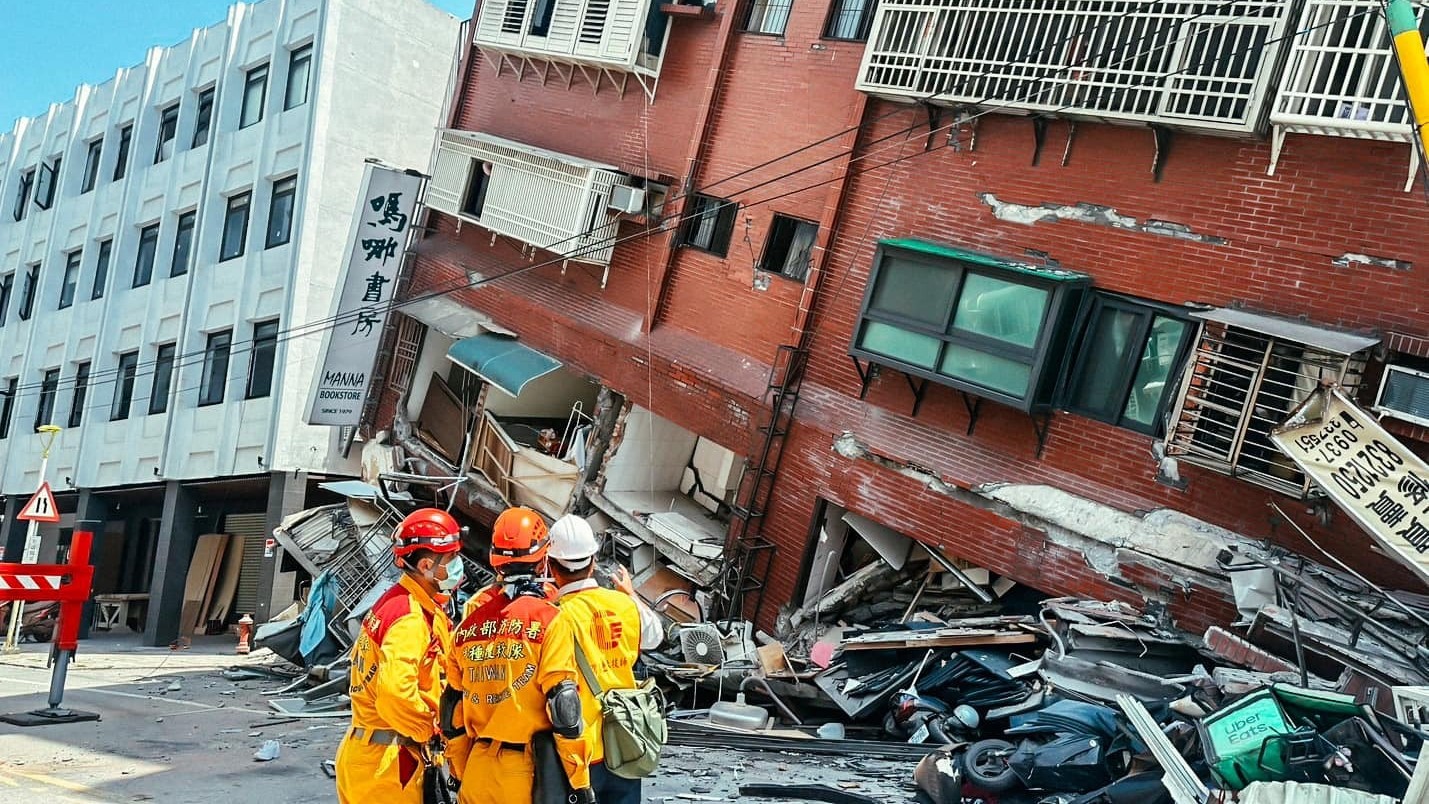
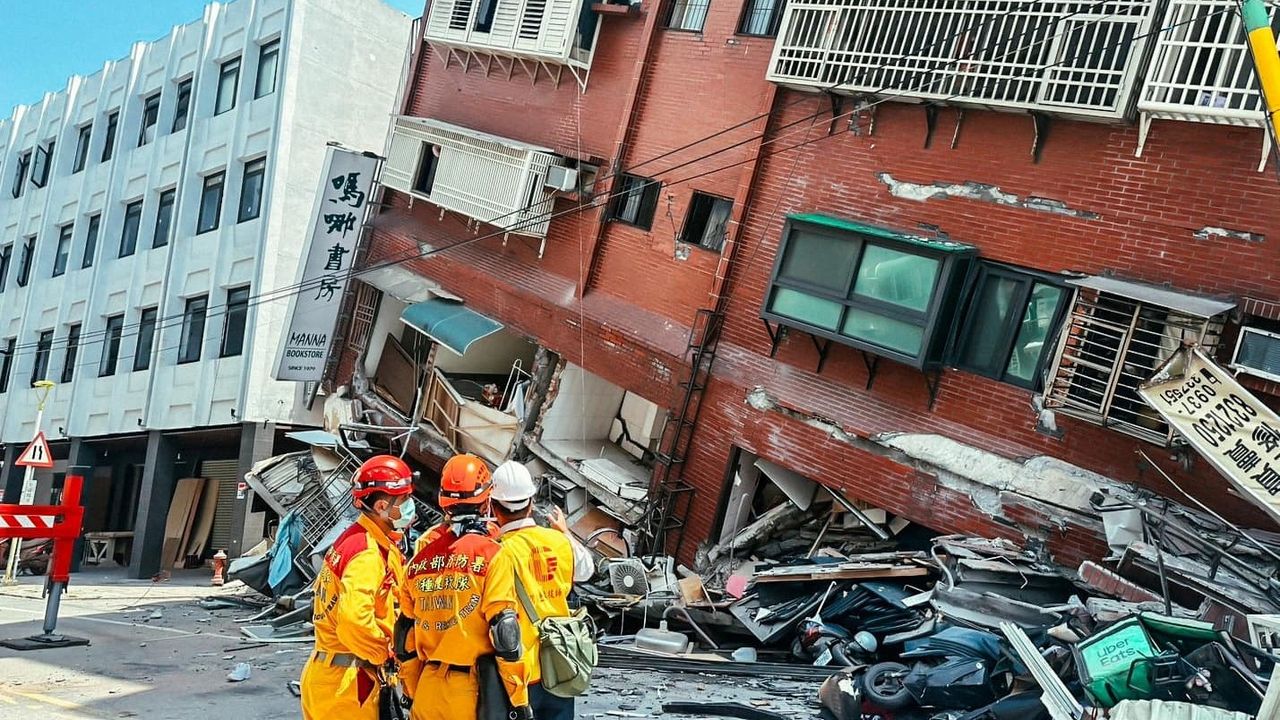
Google has harnessed motion sensors on more than 2 billion smartphones to create an earthquake early-warning system that’s as effective as standard seismometers, a new study reveals.

Between 2021 and 2024, the company’s Android Earthquake Alerts (AEA) system captured more than 11,000 quakes through smartphone accelerometers and issued more than 1,200 alerts to Android users across 98 countries.

This system has led to a tenfold increase in the number of people with access to earthquake alerts, from 250 million in 2019 to 2.5 billion today. The researchers published their findings July 17 in the journal Science.


You may like

“Earthquakes are a constant threat to communities around the globe. While we’ve gotten good at knowing where they’re likely to strike, we still face devastating consequences when they do,” Google representatives wrote in a statement. “What if we could give people a few precious seconds of warning before the shaking starts? Those seconds can be enough time to get off a ladder, move away from dangerous objects and take cover.”

In recent decades, earthquake alert systems have been rolled out in countries such as China, Mexico, Japan, South Korea and the United States. Yet these systems, built using seismic stations as nodes, are expensive, meaning that most earthquake-prone countries have only regional coverage and many others have none.

Related: Predicting earthquakes is currently impossible. GPS data could help change that

To fill this coverage gap, the Google researchers designed the AEA system to use smartphone and smartwatch accelerometers to detect fast-moving P-waves, which typically precede more destructive S-waves during an earthquake. Using this sensor network, AEA can estimate the size of an earthquake and where it will hit, and then send warnings to users in the danger zone.

Get the world’s most fascinating discoveries delivered straight to your inbox.

Breaking new ground

The researchers faced many challenges. Phone accelerometers are far less accurate than seismometers, so the team pieced together data from the sheer ubiquity of Android devices and their default logging of motion data.

Transforming these pooled signals into meaningful warnings required them to account for differences between devices and regional variations in geology and building layouts.

Now operating in several countries — including Greece, Turkey, the United States, Japan and Indonesia — the AEA had issued 1,279 alerts as of March 2024.

User feedback reveals that 85% of people who experienced an earthquake received an alert, with 36% getting one before the shaking started, 28% during and 23% after.

Only three of the alerts were false, with two being triggered by thunderstorms and another by an unrelated mass notification event that vibrated a number of phones.

But issues remain, especially in estimating the magnitude of large quakes, such as those that hit Turkey in February 2023. These tremors were significantly underestimated by the AEA, which the researchers attributed to flaws in algorithms and collection methods that they have since updated.

Events like this raise questions about lifesaving software being owned and operated by a tech giant, but Google insists its technology will merely “help supplement official warning systems” instead of replacing them.

“AEA demonstrates that globally distributed smartphones can be used to detect earthquakes and issue warnings at scale with an effectiveness comparable to established national systems,” the researchers wrote in the study. “Large earthquakes remain the most important and challenging for all EEW [earthquake early-warning] systems, and the global implementation of AEA supports efforts to improve detection with rapid, large-scale data collection and feedback to algorithms.”

Source link

Share. Facebook Twitter Pinterest LinkedIn Tumblr Email
Previous ArticleJustice Department escalates feud with federal Judge James Boasberg over misconduct
Next Article Federal food assistance program may slow cognitive decline, study suggests
Editor
  • Website

Related Posts

Lifestyle

OpenAI’s internal AI model just solved an 80-year-old math problem ‪—‬ and mathematicians verified it

May 30, 2026
Lifestyle

Skeletal remains of Queen Elisenda, one of the most powerful rulers in medieval Europe, unearthed in Barcelona — along with several others who bore unexplained stab wounds

May 29, 2026
Lifestyle

Tests that measure ‘biological age’ aren’t helpful for tracking your health, scientists say

May 29, 2026
Add A Comment

Comments are closed.

Categories
  • Entertainment
  • Lifestyle
  • News
  • Sports
  • Tech
  • Travel
Recent Posts
  • OpenAI’s internal AI model just solved an 80-year-old math problem ‪—‬ and mathematicians verified it
  • Skeletal remains of Queen Elisenda, one of the most powerful rulers in medieval Europe, unearthed in Barcelona — along with several others who bore unexplained stab wounds
  • Tests that measure ‘biological age’ aren’t helpful for tracking your health, scientists say
  • Japan hits 6G key milestone with high-frequency speeds topping 100 Gbps
  • War has brought Iran’s water crisis to a breaking point: ‘Things will collapse unless there is meaningful structural change’
calendar
June 2026
M T W T F S S
1234567
891011121314
15161718192021
22232425262728
2930  
« May    
Recent Posts
  • OpenAI’s internal AI model just solved an 80-year-old math problem ‪—‬ and mathematicians verified it
  • Skeletal remains of Queen Elisenda, one of the most powerful rulers in medieval Europe, unearthed in Barcelona — along with several others who bore unexplained stab wounds
  • Tests that measure ‘biological age’ aren’t helpful for tracking your health, scientists say
About

Welcome to Baynard Media, your trusted source for a diverse range of news and insights. We are committed to delivering timely, reliable, and thought-provoking content that keeps you informed
and inspired

Categories
  • Entertainment
  • Lifestyle
  • News
  • Sports
  • Tech
  • Travel
Facebook X (Twitter) Pinterest WhatsApp
  • Contact Us
  • About Us
  • Privacy Policy
  • Disclaimer
  • UNSUBSCRIBE
© 2026 copyrights reserved

Type above and press Enter to search. Press Esc to cancel.