Close Menu
  • Home
  • UNSUBSCRIBE
  • News
  • Lifestyle
  • Tech
  • Entertainment
  • Sports
  • Travel
Facebook X (Twitter) WhatsApp
Trending
  • Stupid hot: Heat waves cause cognitive changes in animals, making them more aggressive and unable to complete basic tasks
  • Tump administration to remove 900 deep sea monitoring instruments that would have studied the collapsing Atlantic current
  • Science news this week: Ötzi the Iceman used to make sourdough, Italian teenagers discover Roman villa under school, Google plans to release 64 million mosquitos, and RIP to NASA’s Maven probe
  • Coming El Niño will be the strongest ever recorded, new forecast predicts
  • World’s largest scorpion had 6-inch pincers, and prowled UK land and waters 415 million years ago
  • Arthritis drug shows antiviral effects against RSV, the leading cause of infant hospitalization
  • Daddy longlegs may be capturing and devouring frogs in the tropical forests of South America
  • Google wants to release 64 million bacteria-riddled mosquitoes across California and Florida. Here’s why scientists are enthusiastic.
Facebook X (Twitter) WhatsApp
Baynard Media
  • Home
  • UNSUBSCRIBE
  • News
  • Lifestyle
  • Tech
  • Entertainment
  • Sports
  • Travel
Baynard Media
Home»Lifestyle»‘Extreme’ warming in the Arctic as North Pole temperatures swell 36 F above average
Lifestyle

‘Extreme’ warming in the Arctic as North Pole temperatures swell 36 F above average

EditorBy EditorFebruary 6, 2025No Comments3 Mins Read
Share Facebook Twitter Pinterest LinkedIn Tumblr Reddit Telegram Email
Share
Facebook Twitter LinkedIn Pinterest Email

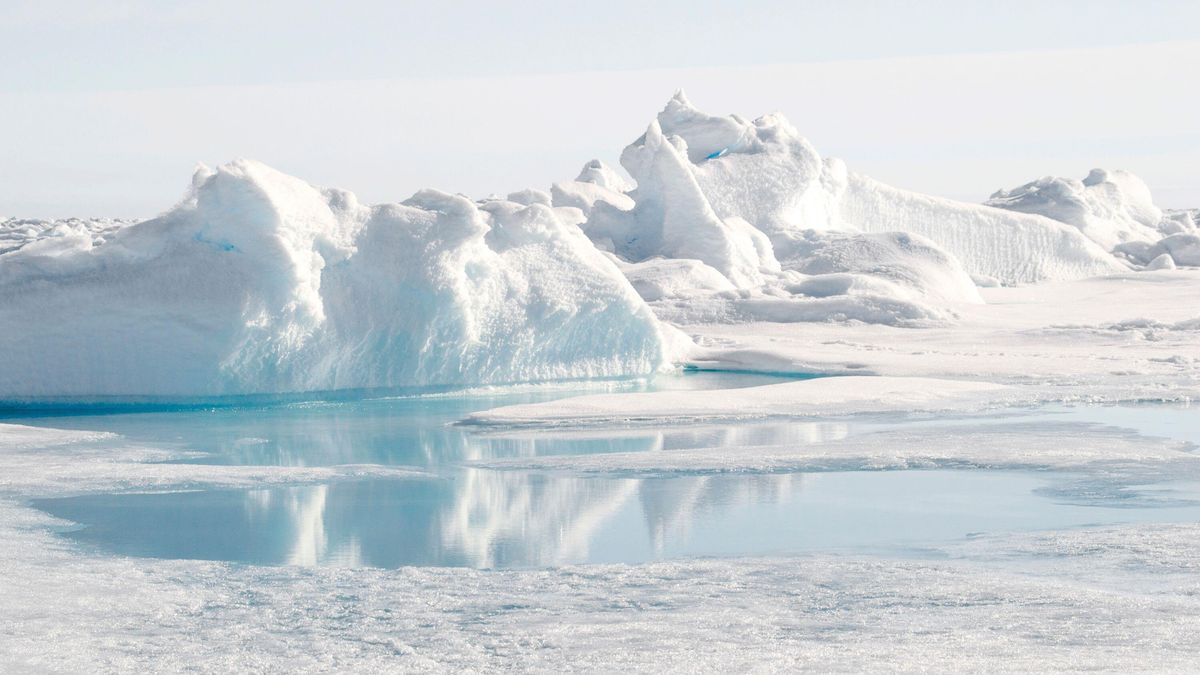
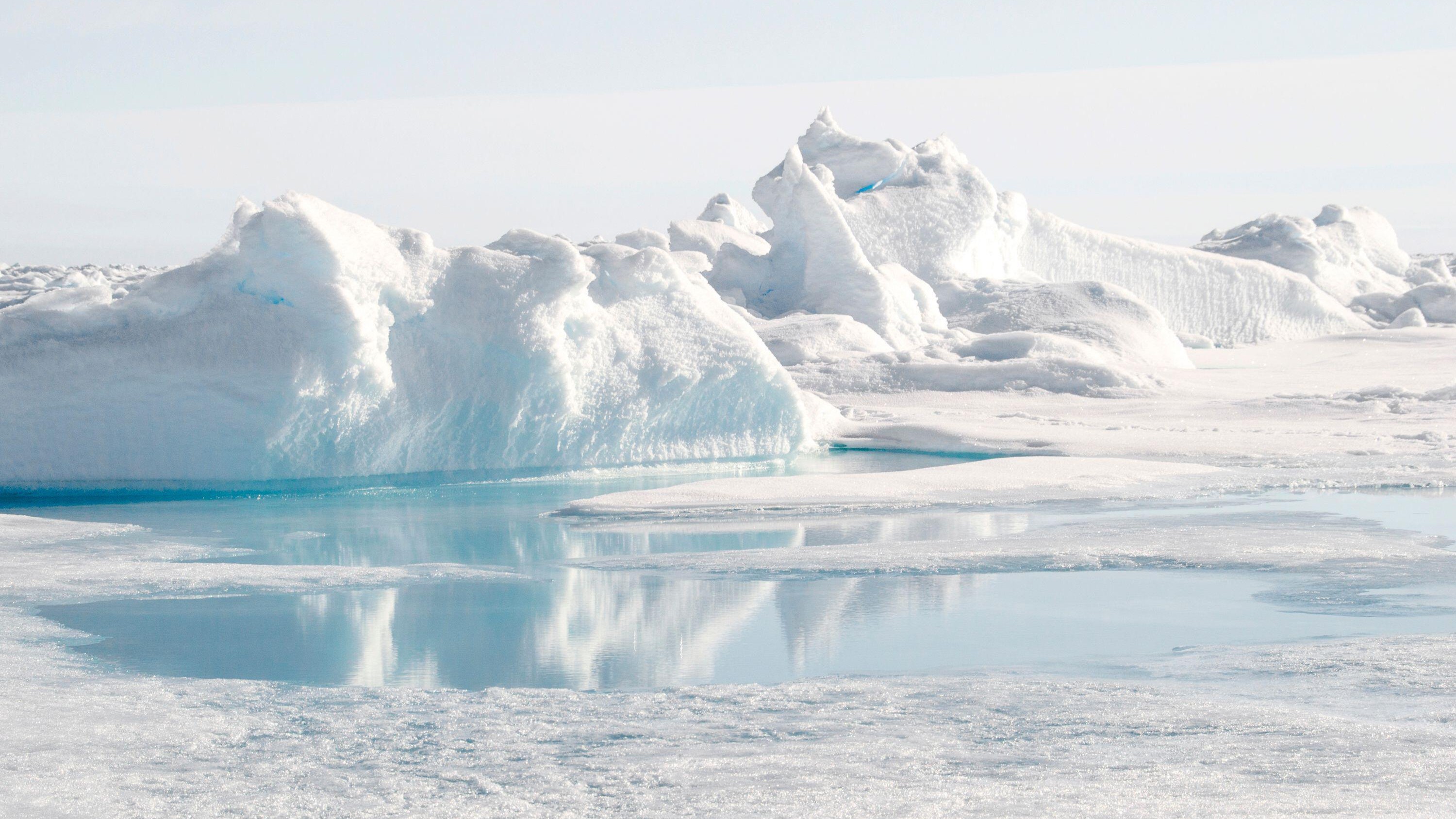
Temperatures in the North Pole soared above freezing over the weekend — with the high Arctic reaching 36 degrees Fahrenheit (20 degrees Celsius) above average. Scientists are concerned that these temperatures will melt more sea ice and accelerate Arctic warming.

Temperatures at the North Pole breached 32 F (0 C), the melting point of ice, on Sunday (Feb. 2) after climbing 36 F above the region’s daily average temperature recorded between 1991 to 2020, the Guardian reported on Tuesday (Feb. 4).

The European Union’s Copernicus Climate Change Service registered warming near the North Pole, while an Arctic snow buoy — a device that measures snow depth and temperature — logged an absolute temperature of 32.9 F (0.5 C).

Mika Rantanen, a weather and climate change impact researcher at the Finnish Meteorological Institute, told the Guardian that it was difficult to estimate the exact temperature change — with remote regions like the central Arctic having fewer direct observation sites — but the models indicated a temperature anomaly of more than 36 F.

“This was a very extreme winter warming event,” Rantanen said. “Probably not the most extreme ever observed, but still at the upper edge of what can happen in the Arctic.”

Related: Ocean warming 4 times faster than in 1980s — and likely to accelerate in coming decades

The unusually warm weekend was linked to a weather system over Iceland, Julien Nicolas, a senior scientist at the Copernicus Climate Change Service, told the Guardian. He said that a deep low-pressure system was directing a flow of warm air to the North Pole, strengthened by hot seas in the northeastern Atlantic.

Get the world’s most fascinating discoveries delivered straight to your inbox.

“This type of event is relatively rare, but we are not able to assess its frequency without further analysis,” Nicolas said.

Warm temperatures have been recorded in the region before. A winter heatwave in 2016 pushed North Pole temperatures to around 32 F on Dec. 24 — about the same as the warming observed over the weekend. And in February 2018, another heatwave caused the North Pole to pass 32 F multiple times, with temperatures peaking at 43 F (6 C), according to the National Oceanic and Atmospheric Administration.

Climate change is particularly noticeable in the Arctic, where temperatures are warming around four times faster than the rest of the world. This accelerated warming, called Arctic amplification, stems from melting sea ice.

Ice reflects more sunlight than land or water, so when climate change melts Arctic sea ice, the region absorbs more sunlight and warms up even faster than non-icy areas, according to the International Science Council.

Above freezing temperatures, like those observed over the weekend, melt ice and therefore accelerate warming in the Arctic that ultimately leads to more ice loss and more warming. Indigenous Peoples and a whole host of wildlife — from polar bears to whales — depend on the sea ice habitat, so as it declines, these human and wildlife communities suffer.

Source link

Share. Facebook Twitter Pinterest LinkedIn Tumblr Email
Previous ArticleGet H&R Block Tax Software Deluxe + State 2024 for Windows/Mac for just $40
Next Article Liam Payne’s Final Text From Girlfriend Kate Cassidy Before Death
Editor
  • Website

Related Posts

Lifestyle

Stupid hot: Heat waves cause cognitive changes in animals, making them more aggressive and unable to complete basic tasks

June 6, 2026
Lifestyle

Tump administration to remove 900 deep sea monitoring instruments that would have studied the collapsing Atlantic current

June 6, 2026
Lifestyle

Science news this week: Ötzi the Iceman used to make sourdough, Italian teenagers discover Roman villa under school, Google plans to release 64 million mosquitos, and RIP to NASA’s Maven probe

June 6, 2026
Add A Comment

Comments are closed.

Categories
  • Entertainment
  • Lifestyle
  • News
  • Sports
  • Tech
  • Travel
Recent Posts
  • Stupid hot: Heat waves cause cognitive changes in animals, making them more aggressive and unable to complete basic tasks
  • Tump administration to remove 900 deep sea monitoring instruments that would have studied the collapsing Atlantic current
  • Science news this week: Ötzi the Iceman used to make sourdough, Italian teenagers discover Roman villa under school, Google plans to release 64 million mosquitos, and RIP to NASA’s Maven probe
  • Coming El Niño will be the strongest ever recorded, new forecast predicts
  • World’s largest scorpion had 6-inch pincers, and prowled UK land and waters 415 million years ago
calendar
June 2026
M T W T F S S
1234567
891011121314
15161718192021
22232425262728
2930  
« May    
Recent Posts
  • Stupid hot: Heat waves cause cognitive changes in animals, making them more aggressive and unable to complete basic tasks
  • Tump administration to remove 900 deep sea monitoring instruments that would have studied the collapsing Atlantic current
  • Science news this week: Ötzi the Iceman used to make sourdough, Italian teenagers discover Roman villa under school, Google plans to release 64 million mosquitos, and RIP to NASA’s Maven probe
About

Welcome to Baynard Media, your trusted source for a diverse range of news and insights. We are committed to delivering timely, reliable, and thought-provoking content that keeps you informed
and inspired

Categories
  • Entertainment
  • Lifestyle
  • News
  • Sports
  • Tech
  • Travel
Facebook X (Twitter) Pinterest WhatsApp
  • Contact Us
  • About Us
  • Privacy Policy
  • Disclaimer
  • UNSUBSCRIBE
© 2026 copyrights reserved

Type above and press Enter to search. Press Esc to cancel.