Close Menu
  • Home
  • UNSUBSCRIBE
  • News
  • Lifestyle
  • Tech
  • Entertainment
  • Sports
  • Travel
Facebook X (Twitter) WhatsApp
Trending
  • Study suggests life on Earth has around 1.8 billion years left — but the biosphere might evolve to survive even longer
  • Ancient-DNA analysis solves 500-year-old mystery of what killed 2 Medici brothers
  • Antarctica’s first dinosaur fossil belonged to a group of the largest land animals ever
  • Scientists propose launching a giant ‘airbag’ into space to protect us from solar superstorms ‪— and experts say it’s ‘quite feasible’
  • Dead-end bitcoin mining wastes as much energy as Switzerland’s entire hydropower generation capacity
  • 66 billion trees have been planted in China’s Great Green Wall — and they appear to be growing faster than natural forests
  • 500-year-old freeze-dried potato snacks discovered in Inca storage room in Peru
  • CERN shuts down Large Hadron Collider until 2030, upgrading the atom smasher to its most powerful form yet
Facebook X (Twitter) WhatsApp
Baynard Media
  • Home
  • UNSUBSCRIBE
  • News
  • Lifestyle
  • Tech
  • Entertainment
  • Sports
  • Travel
Baynard Media
Home»Lifestyle»Drastic Antarctic sea ice loss could fuel extreme weather in years ahead
Lifestyle

Drastic Antarctic sea ice loss could fuel extreme weather in years ahead

EditorBy EditorDecember 24, 2024No Comments3 Mins Read
Share Facebook Twitter Pinterest LinkedIn Tumblr Reddit Telegram Email
Share
Facebook Twitter LinkedIn Pinterest Email

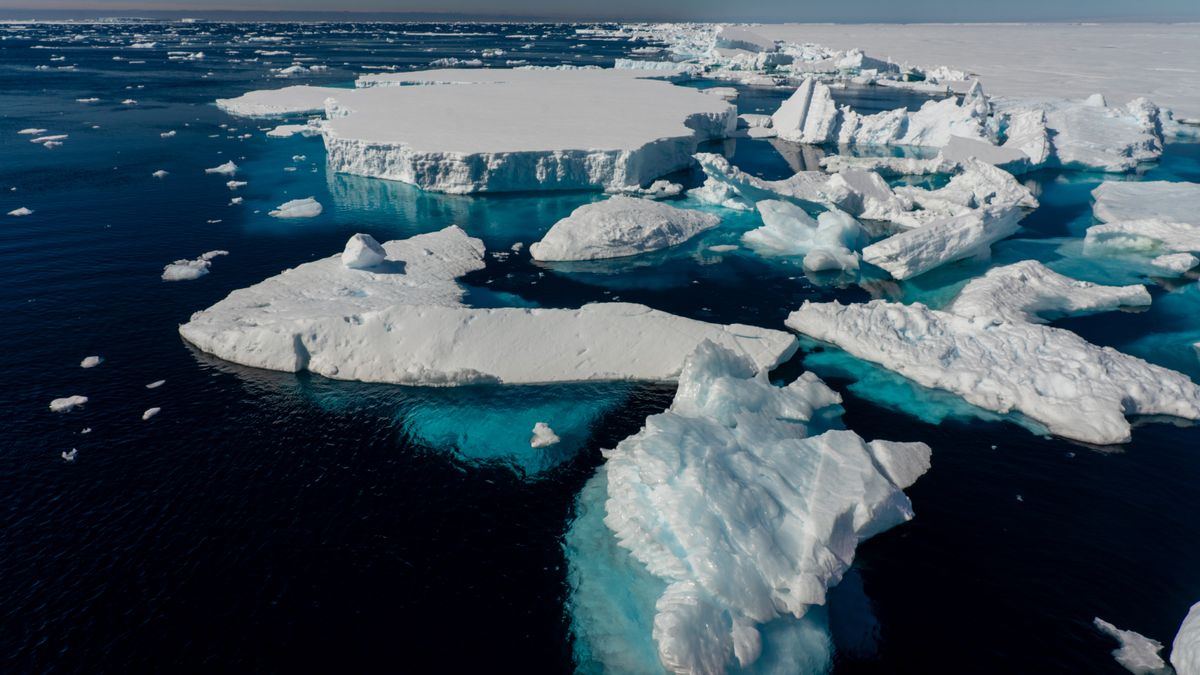
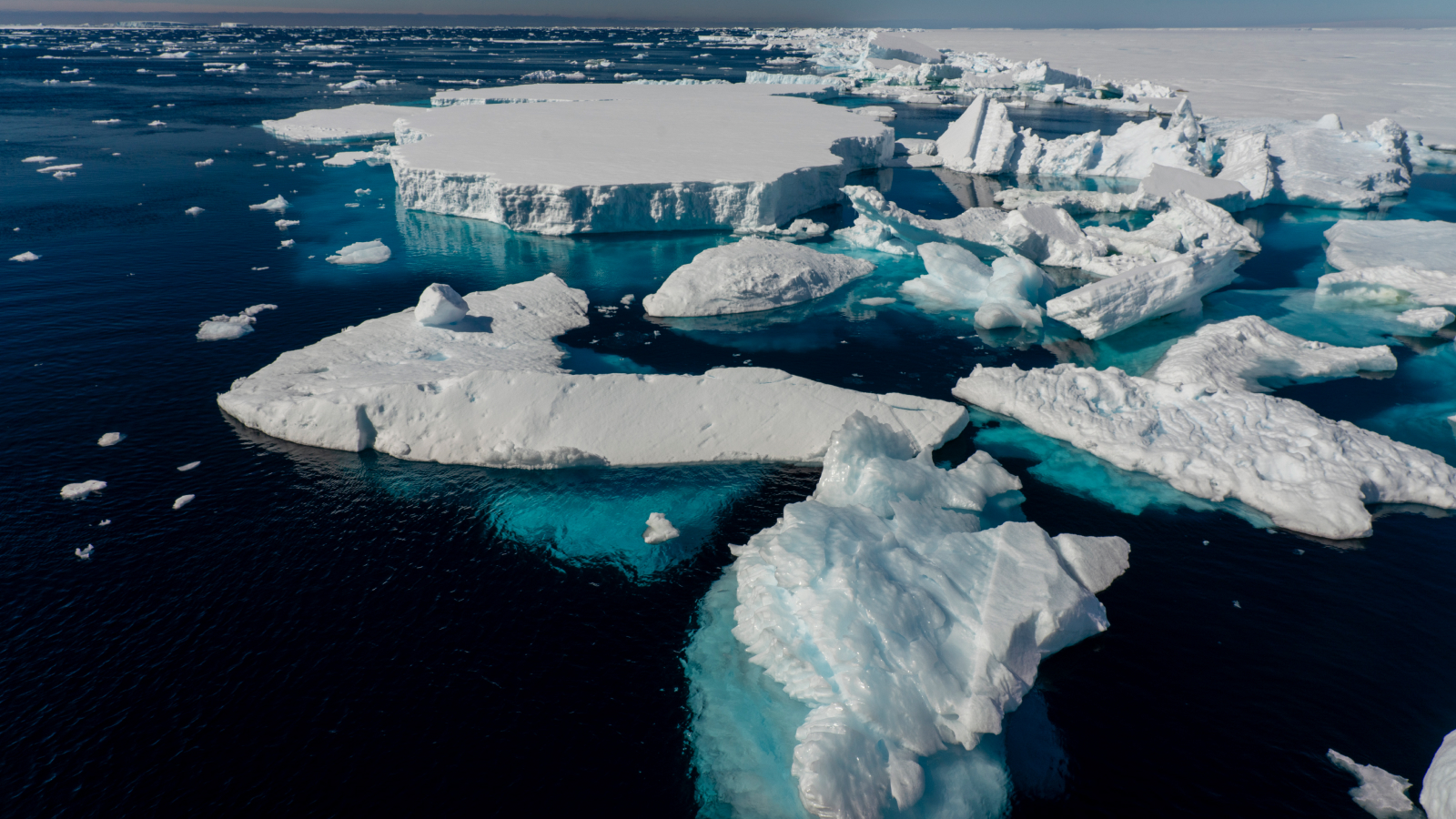
Vanishing Antarctic sea ice could lead to more storms in the Southern Ocean, new research shows.

Scientists found that reduced Antarctic sea ice coverage in 2023 caused the ocean to lose extra heat to the atmosphere. That heat loss could disrupt ocean circulation currents and cause more frequent storms in areas where sea ice coverage has declined.

Last year, ice coverage dropped by nearly half compared with the average between 1990 and 2015 in four areas: the Bellingshausen Sea and the outer Weddell and Ross seas, where sea ice decreased by up to 80%, and Enderby Land, which saw a drop of up to 50%. The full dataset from 2024 isn’t available yet, but continued low coverage suggests an ongoing trend.

“It is too early to state whether 2023 and its record-breaking sea-ice decline marks the onset of a fundamental shift in the amount of Antarctic sea ice,” study co-author Simon Josey, an oceanographer at the National Oceanography Centre in the U.K., said in a statement. “However, our study does reveal the extreme conditions to be expected in future years of low ice regrowth, with 2024 looking like it is continuing the sharp change seen in 2023.”

Related: ‘We were in disbelief’: Antarctica is behaving in a way we’ve never seen before. Can it recover?

To understand the impact of this drastic sea ice loss, researchers analyzed heat flux between the air and sea, as well as changes in ice coverage from Antarctica in 2023. In the study, published Dec. 18 in the journal Nature, the researchers found that the newly exposed ocean surface lost heat nearly one and a half times faster than it had in previous years.

This increase in heat loss could have far-reaching consequences. For example, heat loss cools water near the ocean surface, causing it to become denser than in previous years. As this dense surface water sinks, it could disrupt deeper ocean currents and circulation in the Southern Ocean.

Get the world’s most fascinating discoveries delivered straight to your inbox.

“This cooling and subsequent sinking of waters previously covered by sea ice has the potential to release deeper warm waters that would normally be kept away from ice by an insulating surface layer. In turn, this has the potential for increasing sea ice melt in future years,” study co-author Andrew Meijers, an oceanographer with the British Antarctic Survey, said in the statement.

Changes in heat flux between the ocean and the atmosphere could also contribute to more frequent storms over Antarctica as the atmosphere takes up more heat. By considering the number of days with high winds as a proxy for storm frequency, the researchers found an average of 11.6 stormy days in June and July 2023 over a few different regions of ice loss, up from an average of 9.1 stormy days between 1990 and 2015. Some areas, like the northern Weddell Sea, saw up to seven additional stormy days per month.

Previous research suggests that Antarctic sea ice melting could also affect temperatures around the rest of the world. “Our research highlights the need to keep studying the link between Antarctic sea ice loss, ocean heat loss, and changing weather patterns,” Josey said in the statement. “These changes could affect weather and climate far beyond Antarctica.”

Source link

Share. Facebook Twitter Pinterest LinkedIn Tumblr Email
Previous ArticleLost wedding ring, Noel's Poznan snub and epic fails! | PL funniest moments of 2024
Next Article Apple Watch Series 5 on sale
Editor
  • Website

Related Posts

Lifestyle

Study suggests life on Earth has around 1.8 billion years left — but the biosphere might evolve to survive even longer

July 2, 2026
Lifestyle

Ancient-DNA analysis solves 500-year-old mystery of what killed 2 Medici brothers

July 1, 2026
Lifestyle

Antarctica’s first dinosaur fossil belonged to a group of the largest land animals ever

July 1, 2026
Add A Comment

Comments are closed.

Categories
  • Entertainment
  • Lifestyle
  • News
  • Sports
  • Tech
  • Travel
Recent Posts
  • Study suggests life on Earth has around 1.8 billion years left — but the biosphere might evolve to survive even longer
  • Ancient-DNA analysis solves 500-year-old mystery of what killed 2 Medici brothers
  • Antarctica’s first dinosaur fossil belonged to a group of the largest land animals ever
  • Scientists propose launching a giant ‘airbag’ into space to protect us from solar superstorms ‪— and experts say it’s ‘quite feasible’
  • Dead-end bitcoin mining wastes as much energy as Switzerland’s entire hydropower generation capacity
calendar
July 2026
M T W T F S S
 12345
6789101112
13141516171819
20212223242526
2728293031  
« Jun    
Recent Posts
  • Study suggests life on Earth has around 1.8 billion years left — but the biosphere might evolve to survive even longer
  • Ancient-DNA analysis solves 500-year-old mystery of what killed 2 Medici brothers
  • Antarctica’s first dinosaur fossil belonged to a group of the largest land animals ever
About

Welcome to Baynard Media, your trusted source for a diverse range of news and insights. We are committed to delivering timely, reliable, and thought-provoking content that keeps you informed
and inspired

Categories
  • Entertainment
  • Lifestyle
  • News
  • Sports
  • Tech
  • Travel
Facebook X (Twitter) Pinterest WhatsApp
  • Contact Us
  • About Us
  • Privacy Policy
  • Disclaimer
  • UNSUBSCRIBE
© 2026 copyrights reserved

Type above and press Enter to search. Press Esc to cancel.