Close Menu
  • Home
  • UNSUBSCRIBE
  • News
  • Lifestyle
  • Tech
  • Entertainment
  • Sports
  • Travel
Facebook X (Twitter) WhatsApp
Trending
  • Withings ScanWatch 2 review: Style meets next-level health monitoring
  • AI Chatbots are turbo-charging violence against women and girls: We urgently need to regulate them | Yvonne McDermott Rees
  • ‘The biggest El Niño event since the 1870s’: ‘Super’ El Niño is now the most likely scenario by the end of this year ‪—‬ and the humanitarian cost could be huge
  • Antarctica’s sudden sea ice loss is one of the most extreme and confusing events in the modern climate record. Scientists now know why it’s happening.
  • ‘I heard gasps’: Artemis II astronauts reveal inside story of their mind-bending solar eclipse
  • A pill can stop people from developing COVID after being exposed to the virus, trial finds
  • ‘There are 4 people in those pixels’: Earth-based telescope snapped Artemis II crew orbiting the moon
  • High-status Roman woman was buried in a lead coffin with jet hairpins and exotic resins, archaeologists find
Facebook X (Twitter) WhatsApp
Baynard Media
  • Home
  • UNSUBSCRIBE
  • News
  • Lifestyle
  • Tech
  • Entertainment
  • Sports
  • Travel
Baynard Media
Home»Lifestyle»Chungungo: The mini sea otter that lives on rocky cliffs and mates for life
Lifestyle

Chungungo: The mini sea otter that lives on rocky cliffs and mates for life

EditorBy EditorDecember 14, 2024No Comments3 Mins Read
Share Facebook Twitter Pinterest LinkedIn Tumblr Reddit Telegram Email
Share
Facebook Twitter LinkedIn Pinterest Email

Name: Chungungo, or marine otter (Lontra felina)

Where it lives: Rocky marine coastline from northern Peru to the islands of Cape Horn in Chile, and Isla de los Estados in Argentina

What it eats: Crustaceans, mollusks, fish, and occasionally birds and small mammals

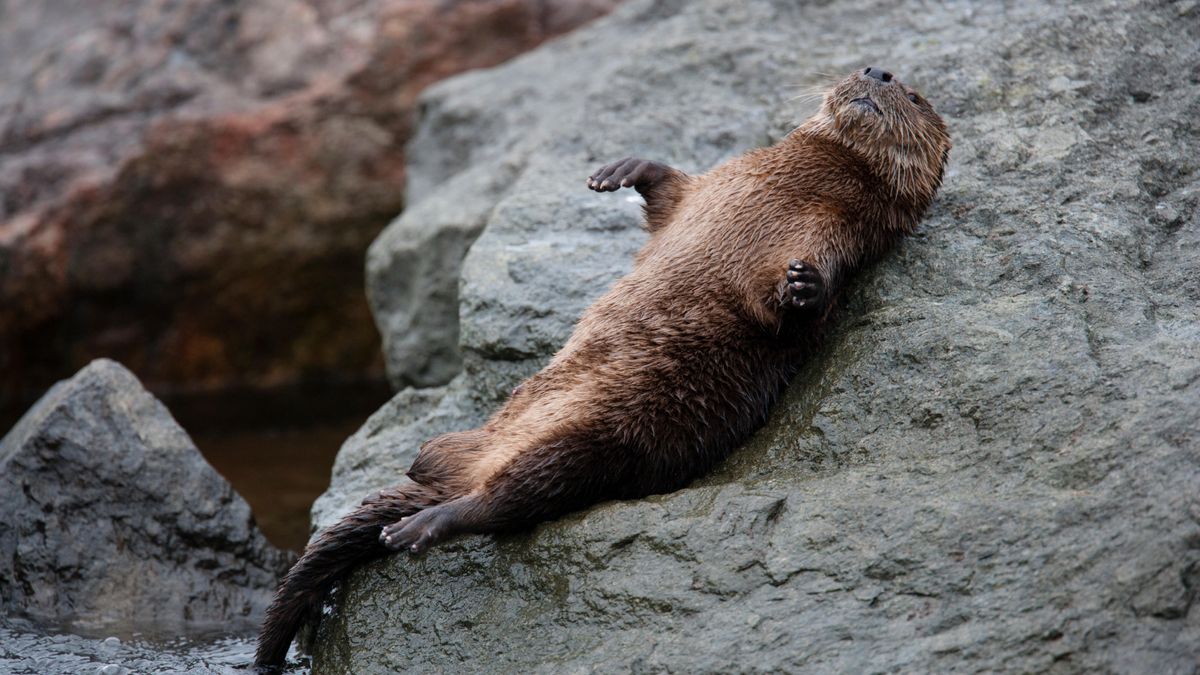
Why it’s awesome: Meet the chungungo — also known as the marine otter and sea cat — the smallest sea otter in the world.

The chungungo rarely grows beyond 45 inches (114 centimeters) in length and weighs just 6.6 to 11 pounds (3 to 5 kilograms). Its elongated body and small, flattened head give it a streamlined silhouette for swimming. But despite being well-adapted to the water, the chungungo only spends about 20% of each day in the water because of the frigid temperatures.

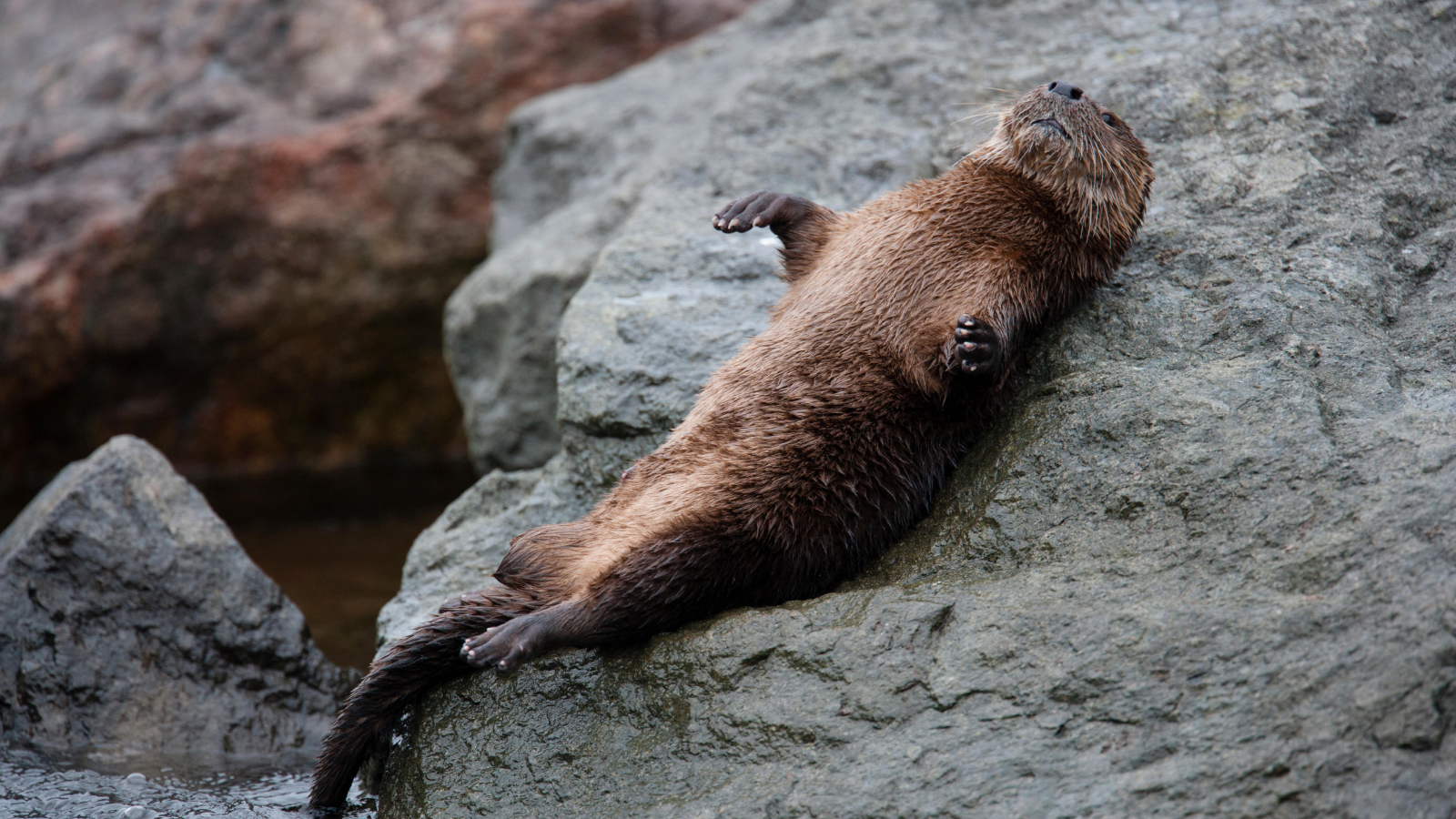
Unlike river otters, marine otters aren’t great at regulating their body temperature. To retain heat they have to boost their metabolism, which requires them eating huge quantities of food — up to a third of their body weight each day. They also spend a lot of time lying on their backs, soaking up the sun, and diligently groom their coats to maintain their insulating properties.

Their highly vascularized feet also allow them to regulate their body temperature — spreading their toes helps cool them down, while closing them up conserves warmth.

Get the world’s most fascinating discoveries delivered straight to your inbox.

The chungungo’s short limbs are equipped with strong claws and webbed toes, ideal for catching prey. They use their tails and hind limbs to propel themselves through the water and are often found swimming on their backs. This position allows them to hold prey against its chest and manipulate it with its rear limbs.

Related: Lion-size otters prowled Ethiopia 3 million years ago

Chungungo fur, once heavily coveted by the fur trade, is dark brown on the back and yellowish on the belly. Beneath the outer coat lies a dense layer of fine hairs that insulate it from the cold and protect it from injury against the rocky coast. Marine otters live in extreme conditions — the rocky coasts they inhabit experience extreme swells and strong winds, while the cliffs are often steep, with their dens built into crevices and caves.

Chungungo pups are known for their curiosity and playfulness. During their breeding season (December to January), adults select a mate and remain together for life. In these monogamous partnerships, both parents share the responsibility of bringing prey back to the den to nourish their offspring.

Females give birth to one to three pups, which stay with their mothers for 8 to 12 months. Then, they separate from their parents and lead a solitary life, until they form a pair during the reproductive season.

Source link

Share. Facebook Twitter Pinterest LinkedIn Tumblr Email
Previous ArticleGet a refurbished MacBook Pro for under $380
Next Article To win without war, State Department reform is necessary
Editor
  • Website

Related Posts

Lifestyle

Withings ScanWatch 2 review: Style meets next-level health monitoring

May 15, 2026
Lifestyle

AI Chatbots are turbo-charging violence against women and girls: We urgently need to regulate them | Yvonne McDermott Rees

May 15, 2026
Lifestyle

‘The biggest El Niño event since the 1870s’: ‘Super’ El Niño is now the most likely scenario by the end of this year ‪—‬ and the humanitarian cost could be huge

May 15, 2026
Add A Comment

Comments are closed.

Categories
  • Entertainment
  • Lifestyle
  • News
  • Sports
  • Tech
  • Travel
Recent Posts
  • Withings ScanWatch 2 review: Style meets next-level health monitoring
  • AI Chatbots are turbo-charging violence against women and girls: We urgently need to regulate them | Yvonne McDermott Rees
  • ‘The biggest El Niño event since the 1870s’: ‘Super’ El Niño is now the most likely scenario by the end of this year ‪—‬ and the humanitarian cost could be huge
  • Antarctica’s sudden sea ice loss is one of the most extreme and confusing events in the modern climate record. Scientists now know why it’s happening.
  • ‘I heard gasps’: Artemis II astronauts reveal inside story of their mind-bending solar eclipse
calendar
May 2026
M T W T F S S
 123
45678910
11121314151617
18192021222324
25262728293031
« Apr    
Recent Posts
  • Withings ScanWatch 2 review: Style meets next-level health monitoring
  • AI Chatbots are turbo-charging violence against women and girls: We urgently need to regulate them | Yvonne McDermott Rees
  • ‘The biggest El Niño event since the 1870s’: ‘Super’ El Niño is now the most likely scenario by the end of this year ‪—‬ and the humanitarian cost could be huge
About

Welcome to Baynard Media, your trusted source for a diverse range of news and insights. We are committed to delivering timely, reliable, and thought-provoking content that keeps you informed
and inspired

Categories
  • Entertainment
  • Lifestyle
  • News
  • Sports
  • Tech
  • Travel
Facebook X (Twitter) Pinterest WhatsApp
  • Contact Us
  • About Us
  • Privacy Policy
  • Disclaimer
  • UNSUBSCRIBE
© 2026 copyrights reserved

Type above and press Enter to search. Press Esc to cancel.