Close Menu
  • Home
  • UNSUBSCRIBE
  • News
  • Lifestyle
  • Tech
  • Entertainment
  • Sports
  • Travel
Facebook X (Twitter) WhatsApp
Trending
  • Lemur used in ‘lemur yoga’ session dies of human herpesvirus, study finds
  • ‘A fine line between reducing stigma and trivialising conditions’: Social media, self-diagnosis and the glamorization of ADHD
  • New 2D memory device stores data on just a single electron
  • Before we ban kids from social media completely, here’s what we should try first | Jonathan Bellack and Mariana Olaizola Rosenblat
  • Scientists uncover a better way to beat ‘the bends’ — using deep-diving pigs
  • Mars may have been losing its water more than 4 billion years ago, oldest-known Martian meteorite suggests
  • ‘The lance head was still inside the pelvis’: Mass grave found in Austria may hold casualties of unknown ancient Roman battle
  • ‘Full-on berserker mode’: Archaeologists solve mystery of medieval soldiers with gruesome square holes in their skull
Facebook X (Twitter) WhatsApp
Baynard Media
  • Home
  • UNSUBSCRIBE
  • News
  • Lifestyle
  • Tech
  • Entertainment
  • Sports
  • Travel
Baynard Media
Home»Lifestyle»Chance of ‘city-killer’ asteroid 2024 YR4 smashing into Earth rises yet again to 3.1%, NASA reports
Lifestyle

Chance of ‘city-killer’ asteroid 2024 YR4 smashing into Earth rises yet again to 3.1%, NASA reports

EditorBy EditorFebruary 18, 2025No Comments3 Mins Read
Share Facebook Twitter Pinterest LinkedIn Tumblr Reddit Telegram Email
Share
Facebook Twitter LinkedIn Pinterest Email

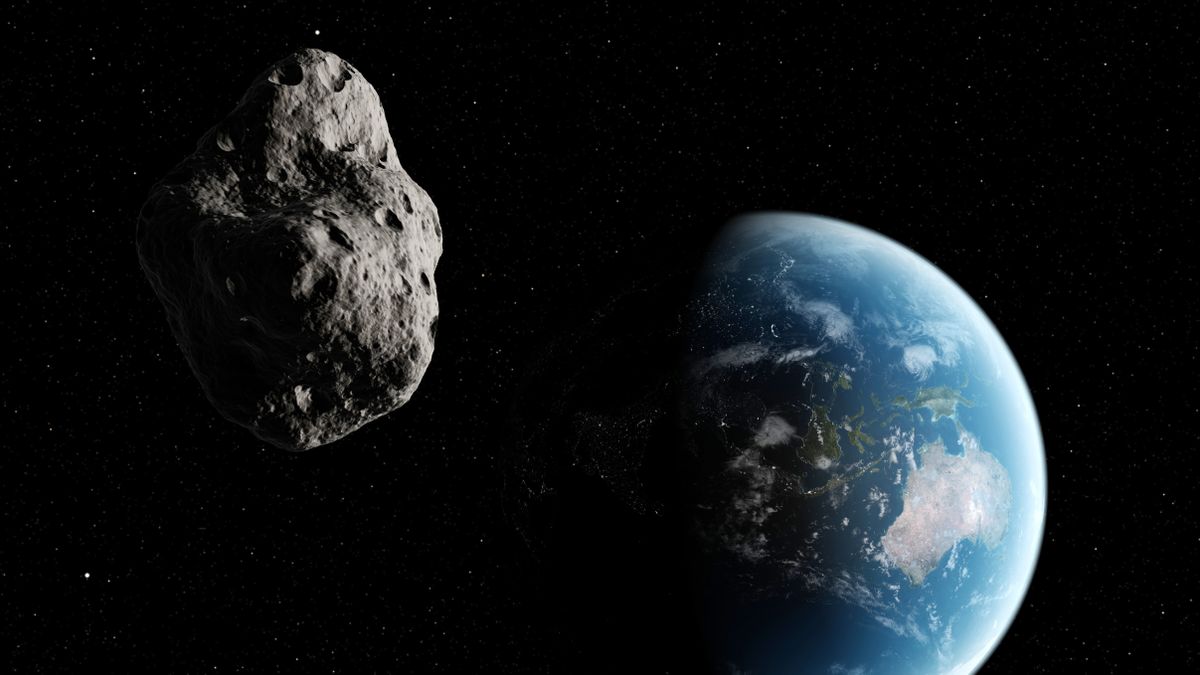
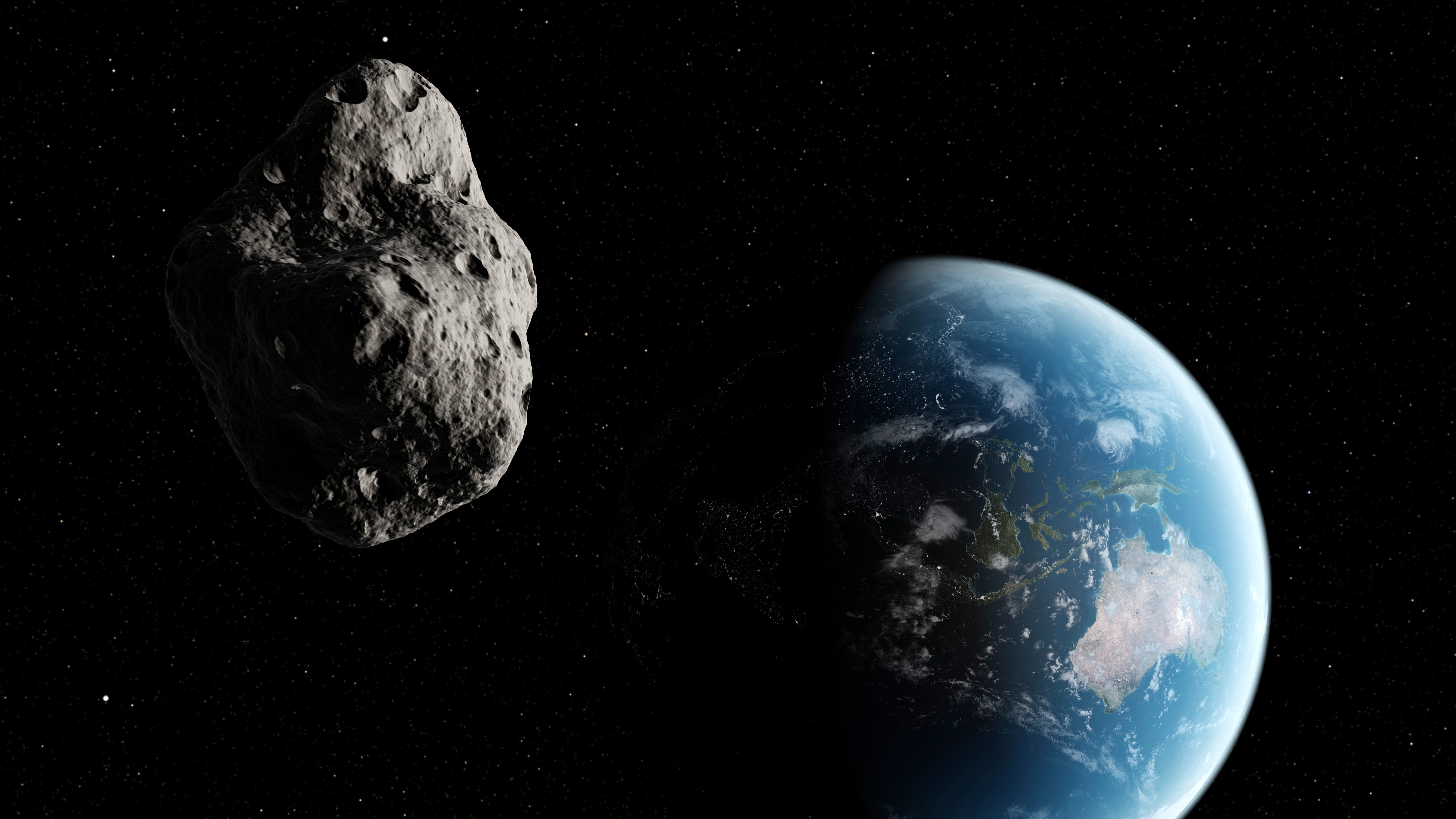
The probability that a major asteroid, big enough to wipe out an entire city, will hit Earth in 2032 has just increased to 1 in 32, or 3.1%, according to NASA.

On Feb. 7, NASA increased the likelihood that asteroid 2024 YR4 will hit Earth in seven years time from 1.2% to 2.3%. The odds of impact then climbed to 2.6%, and are now at 3.1%, according to the latest data on NASA’s Center for Near Earth Object Studies website.

Asteroid 2024 YR4 has an estimated diameter of around 177 feet (54 meters), or about as wide as the leaning tower of Pisa is tall. But while it is too small to end human civilization, the asteroid could still wipe out a major city, releasing about 8 megatons of energy upon impact — more than 500 times the energy released by the atomic bomb that destroyed Hiroshima, Japan.

The good news is that there’s still a 96.9% chance that the asteroid will miss Earth entirely, and as researchers learn more about its trajectory, the odds of a strike are likely to decrease to 0%, based on its current risk level in the NASA data. There’s also a tiny 0.3% chance that YR4 will hit the moon instead of Earth, Live Science previously reported.

Related: Potentially hazardous asteroids: How many dangerous space rocks lurk near Earth — and can we stop them?

Scientists use a measurement called the Torino Scale to categorize the risk posed by nearby asteroids and comets. With a Torino Scale rating of 3 out of 10, YR4 is capable of localized destruction and passes the 1% impact probability threshold (meaning the risk of a potential impact is estimated to be greater than 1%).

Additional observations will give scientists a more precise estimate of the asteroid’s orbit, which usually means they’ll be more confident it won’t hit Earth. Many other objects on NASA’s asteroid risk list have ended up with an impact probability of 0% after more data became available.

Get the world’s most fascinating discoveries delivered straight to your inbox.

A team of scientists was recently granted emergency use of the James Webb Space Telescope, the most powerful space telescope, to study YR4 in the coming months and assess its risk, as well as its true size.

YR4 is currently the only known large asteroid with a more than 1% chance of hitting Earth, according to NASA’s planetary defense blog. In the unlikely event that YR4 does collide with Earth, it would probably hit somewhere along a “risk corridor” stretching across the eastern Pacific Ocean, northern South America, the Atlantic Ocean, Africa, the Arabian Sea, and South Asia, according to NASA.

Source link

Share. Facebook Twitter Pinterest LinkedIn Tumblr Email
Previous ArticleVenomous snake found in bananas at New Hampshire grocery store
Next Article Proof Matt James, Rachael Kirkconnell Are on Better Terms After Split
Editor
  • Website

Related Posts

Lifestyle

Lemur used in ‘lemur yoga’ session dies of human herpesvirus, study finds

August 15, 2026
Lifestyle

‘A fine line between reducing stigma and trivialising conditions’: Social media, self-diagnosis and the glamorization of ADHD

August 15, 2026
Lifestyle

New 2D memory device stores data on just a single electron

August 15, 2026
Add A Comment

Comments are closed.

Categories
  • Entertainment
  • Lifestyle
  • News
  • Sports
  • Tech
  • Travel
Recent Posts
  • Lemur used in ‘lemur yoga’ session dies of human herpesvirus, study finds
  • ‘A fine line between reducing stigma and trivialising conditions’: Social media, self-diagnosis and the glamorization of ADHD
  • New 2D memory device stores data on just a single electron
  • Before we ban kids from social media completely, here’s what we should try first | Jonathan Bellack and Mariana Olaizola Rosenblat
  • Scientists uncover a better way to beat ‘the bends’ — using deep-diving pigs
calendar
August 2026
M T W T F S S
 12
3456789
10111213141516
17181920212223
24252627282930
31  
« Jul    
Recent Posts
  • Lemur used in ‘lemur yoga’ session dies of human herpesvirus, study finds
  • ‘A fine line between reducing stigma and trivialising conditions’: Social media, self-diagnosis and the glamorization of ADHD
  • New 2D memory device stores data on just a single electron
About

Welcome to Baynard Media, your trusted source for a diverse range of news and insights. We are committed to delivering timely, reliable, and thought-provoking content that keeps you informed
and inspired

Categories
  • Entertainment
  • Lifestyle
  • News
  • Sports
  • Tech
  • Travel
Facebook X (Twitter) Pinterest WhatsApp
  • Contact Us
  • About Us
  • Privacy Policy
  • Disclaimer
  • UNSUBSCRIBE
© 2026 copyrights reserved

Type above and press Enter to search. Press Esc to cancel.