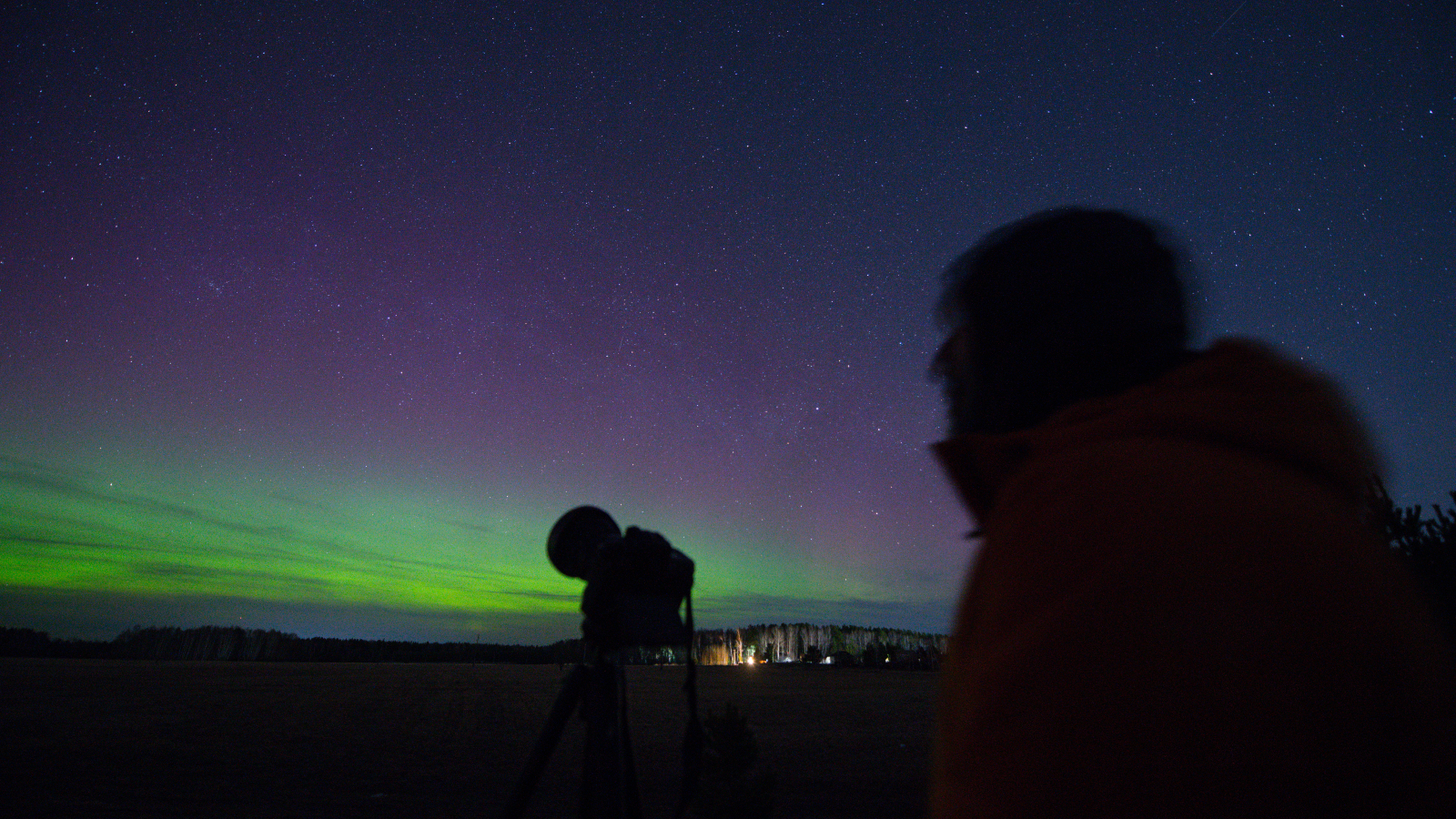
Close Menu
  • Home
  • UNSUBSCRIBE
  • News
  • Lifestyle
  • Tech
  • Entertainment
  • Sports
  • Travel
Facebook X (Twitter) WhatsApp
Trending
  • MN chief judge threatens to hold federal prosecutor in contempt
  • Just in time for the total lunar eclipse, this beginner-friendly telescope is now $100 off at Amazon
  • Best Samsung deal: Save $130 on the Samsung Galaxy Watch 8 Classic at Amazon
  • NRL investment in Super League? Peter V’Landys says clubs ‘have to give up control because it is not working with self-interested model’ | Rugby League News
  • Matlock on David Del Rio Exit, Midseason Premiere
  • Luke Grimes reveals why he left Hollywood for new Montana life and career
  • Best Bose deal: Save $149.01 on Bose QuietComfort headphones at Amazon
  • Europa League & Conference League last 16 draw: Aston Villa, Nottingham Forest and Crystal Palace learn opponents | Football News
Facebook X (Twitter) WhatsApp
Baynard Media
  • Home
  • UNSUBSCRIBE
  • News
  • Lifestyle
  • Tech
  • Entertainment
  • Sports
  • Travel
Baynard Media
Home»Lifestyle»‘Cannibal’ solar storm could paint auroras above 18 US states this Labor Day
Lifestyle

‘Cannibal’ solar storm could paint auroras above 18 US states this Labor Day

EditorBy EditorSeptember 1, 2025No Comments4 Mins Read
Share Facebook Twitter Pinterest LinkedIn Tumblr Reddit Telegram Email
Share
Facebook Twitter LinkedIn Pinterest Email

A “cannibalistic” solar storm is about to slam into Earth’s magnetic field, triggering vibrant auroras that will potentially be visible in up to 18 different U.S. states, just in time for Labor Day.

On Saturday (Aug. 30), sunspot 4204, located near the sun’s equator, unleashed a long-duration, M-class solar flare — the second most powerful type of eruption our home star’s surface is capable of producing. The M2.7 magnitude blast, which occurred over more than 3 hours, also spat out a fast-moving cloud of magnetized plasma, known as a coronal mass ejection (CME), which NASA’s Solar and Heliospheric Observatory (SOHO) spacecraft revealed was “heading straight for Earth,” according to Spaceweather.com.

However, less than 24 hours later, further analysis of the Earthbound solar storm revealed that it was actually made up of two different CMEs that had been ejected back-to-back during the flare, space weather expert and forecaster Tabitha Skov, wrote on X. Since then, the second and largest of the two plasma clouds has caught up to and consumed the first, creating a larger and more chaotic mass, known as a cannibal CME, that will hit Earth’s magnetic field in the later hours of today (Sept. 1).


You may like

When the conjoined solar storms arrive, the resulting impact will temporarily disrupt our planet’s protective shield, allowing charged particles to penetrate deep into the atmosphere where they can excite gas molecules and trigger the Northern Lights.

The disturbance, known as a geomagnetic storm, will likely reach G2 (moderate) class, but could also escalate to a G3 (strong) storm at its peak, according to a recent forecast from the National Oceanic and Atmospheric Administration’s (NOAA) Space Weather Prediction Center.

Related: A mysterious, 100-year solar cycle may have just restarted — and it could mean decades of dangerous space weather
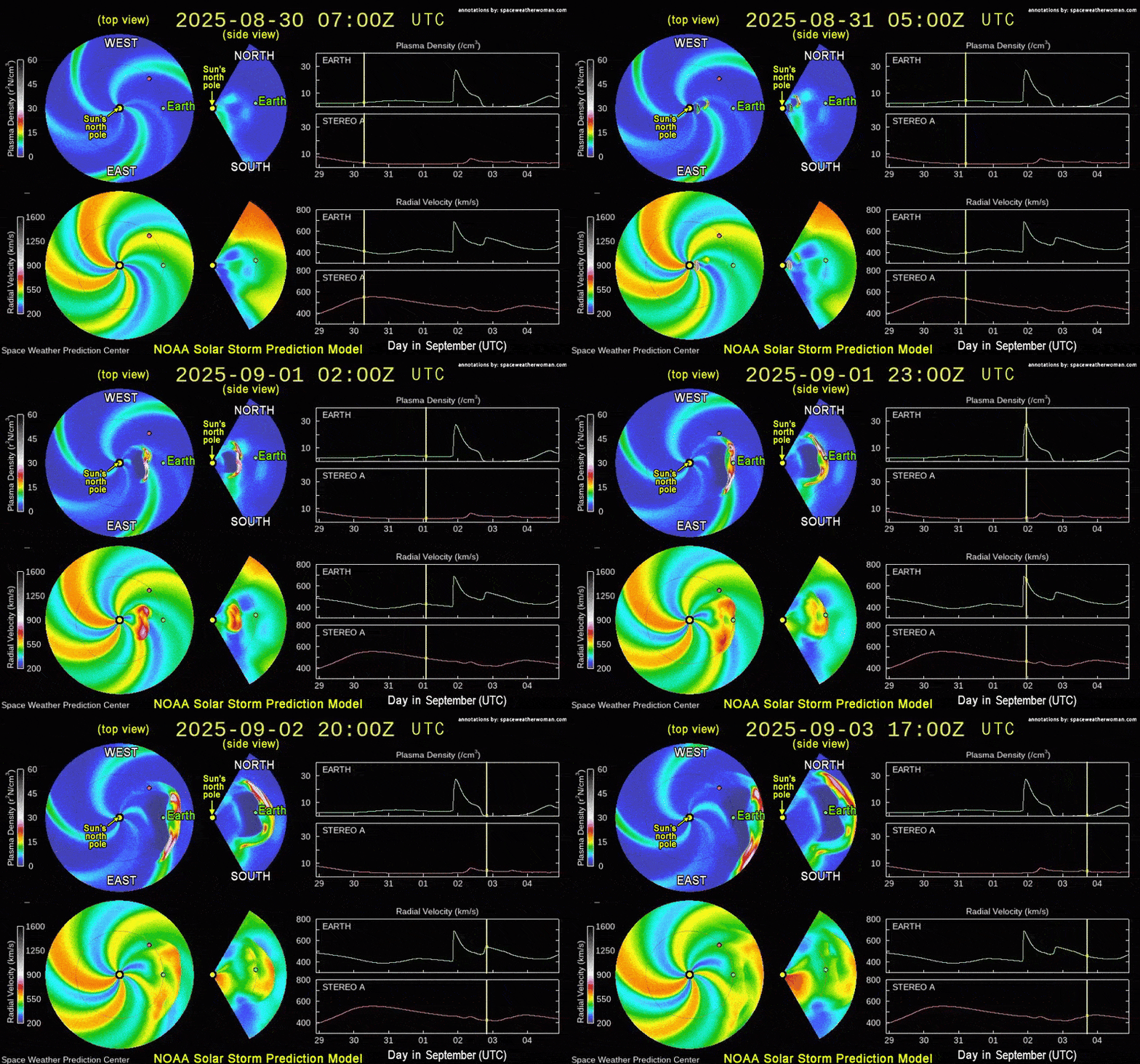
Looped video of an graph animation showing the CME's moving toward Earth through space

Experts quickly realized that the solar flare unleashed two CMEs that have since combined on their way toward Earth. (Image credit: NOAA/SWPC/Dr. Tamitha Skov)

The resulting auroras will be visible much farther south in the U.S. than normal, potentially appearing in as many as 18 states. These will include Alaska, Montana, North Dakota, Minnesota, Wisconsin, Michigan, Maine, South Dakota, Vermont, New Hampshire, Idaho, Washington, Oregon, New York, Wyoming, Iowa, Nebraska and Illinois, Live Science’s sister site Space.com reported.

Get the world’s most fascinating discoveries delivered straight to your inbox.

The auroras will likely be most visible in the early hours of tomorrow (Sept. 2) and will be clearest in areas away from major cities, where there is minimal light pollution. But if you cannot see them with the naked eye, you may still be able to photograph them.

Cannibal solar storms are rare. However, there have been several examples in recent years, including a significant event in December 2023 and another example in August last year.
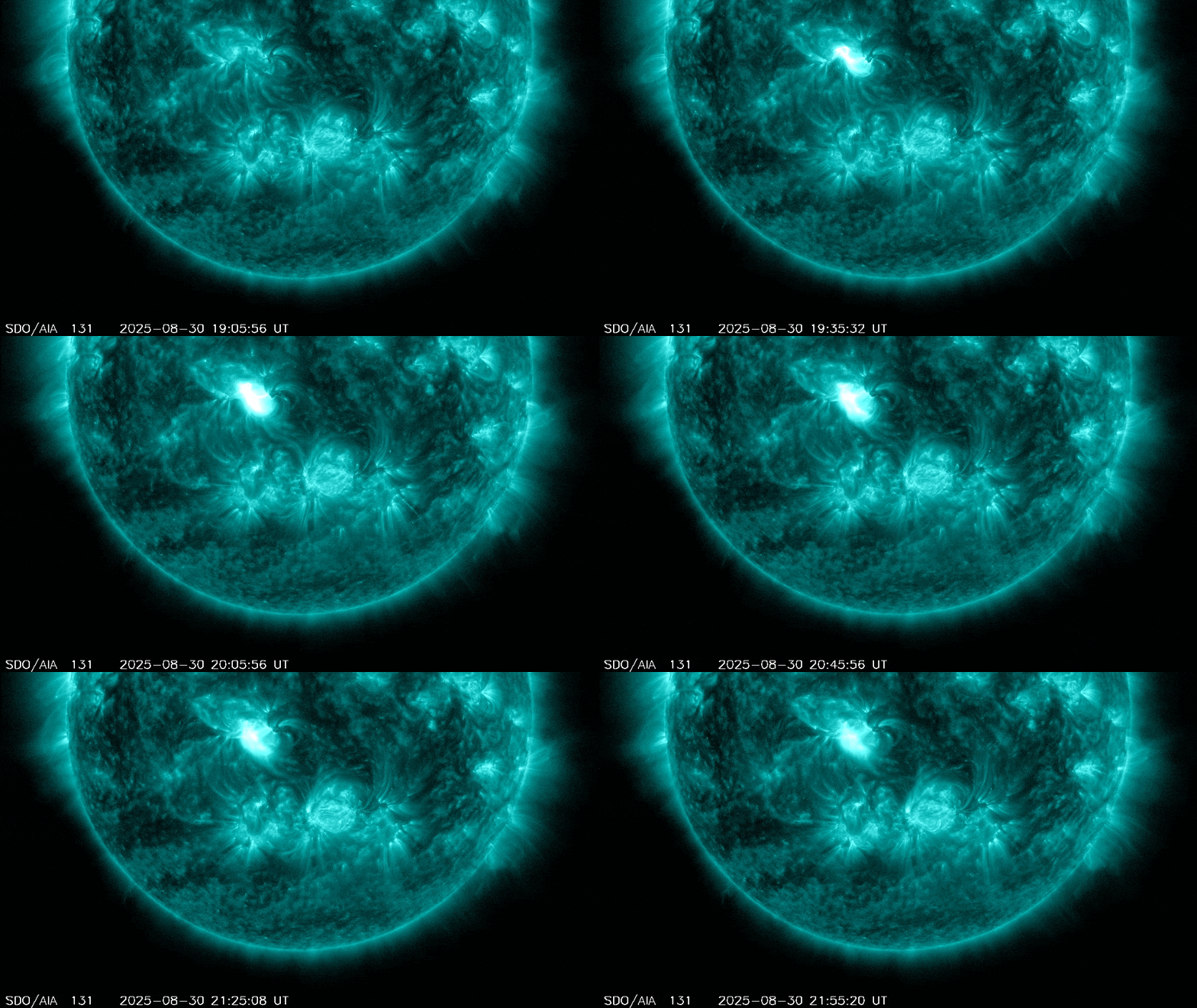
Looped video footage of an explosion flaring on the sun's surface

An M2.7 magnitude solar flare exploded from the sun on Saturday (Aug. 30), hurling two back-to-back CMEs into space. (Image credit: NASA/SDO)

There have also been several major geomagnetic storms in the last 18 months, including a supercharged G5 (extreme) disturbance in May 2024, which painted widespread auroras across the globe, scrambled GPS systems and birthed a new “radiation belt” around our planet. Experts have since revealed that the damages from this storm exceeded $500 million.

The recent peak in solar activity can be attributed to solar maximum — the most active phase of the sun’s roughly 11-year solar cycle, when the number and size of sunspots and solar storms rise sharply.

Experts now believe that the current solar maximum has likely come to a close. However, there has been a mini-resurgence in activity in recent weeks, such as a giant solar tornado that raged on the sun’s surface for multiple days in late August.

Solar activity will also likely remain high in the coming months and years due to continued instability within the sun’s magnetic field.

Source link

Share. Facebook Twitter Pinterest LinkedIn Tumblr Email
Previous ArticleDwayne Johnson’s fear drove him to transform for his most challenging role yet
Next Article Fifth Harmony stuns crowd with first reunion performance in 7 years at Jonas Brothers show
Editor
  • Website

Related Posts

Lifestyle

Just in time for the total lunar eclipse, this beginner-friendly telescope is now $100 off at Amazon

February 27, 2026
Lifestyle

‘Thermodynamic computer’ can mimic AI neural networks — using orders of magnitude less energy to generate images

February 27, 2026
Lifestyle

‘The limits of human longevity have still not been reached,’ study suggests

February 27, 2026
Add A Comment

Comments are closed.

Categories
  • Entertainment
  • Lifestyle
  • News
  • Sports
  • Tech
  • Travel
Recent Posts
  • MN chief judge threatens to hold federal prosecutor in contempt
  • Just in time for the total lunar eclipse, this beginner-friendly telescope is now $100 off at Amazon
  • Best Samsung deal: Save $130 on the Samsung Galaxy Watch 8 Classic at Amazon
  • NRL investment in Super League? Peter V’Landys says clubs ‘have to give up control because it is not working with self-interested model’ | Rugby League News
  • Matlock on David Del Rio Exit, Midseason Premiere
calendar
February 2026
M T W T F S S
 1
2345678
9101112131415
16171819202122
232425262728  
« Jan    
Recent Posts
  • MN chief judge threatens to hold federal prosecutor in contempt
  • Just in time for the total lunar eclipse, this beginner-friendly telescope is now $100 off at Amazon
  • Best Samsung deal: Save $130 on the Samsung Galaxy Watch 8 Classic at Amazon
About

Welcome to Baynard Media, your trusted source for a diverse range of news and insights. We are committed to delivering timely, reliable, and thought-provoking content that keeps you informed
and inspired

Categories
  • Entertainment
  • Lifestyle
  • News
  • Sports
  • Tech
  • Travel
Facebook X (Twitter) Pinterest WhatsApp
  • Contact Us
  • About Us
  • Privacy Policy
  • Disclaimer
  • UNSUBSCRIBE
© 2026 copyrights reserved

Type above and press Enter to search. Press Esc to cancel.