
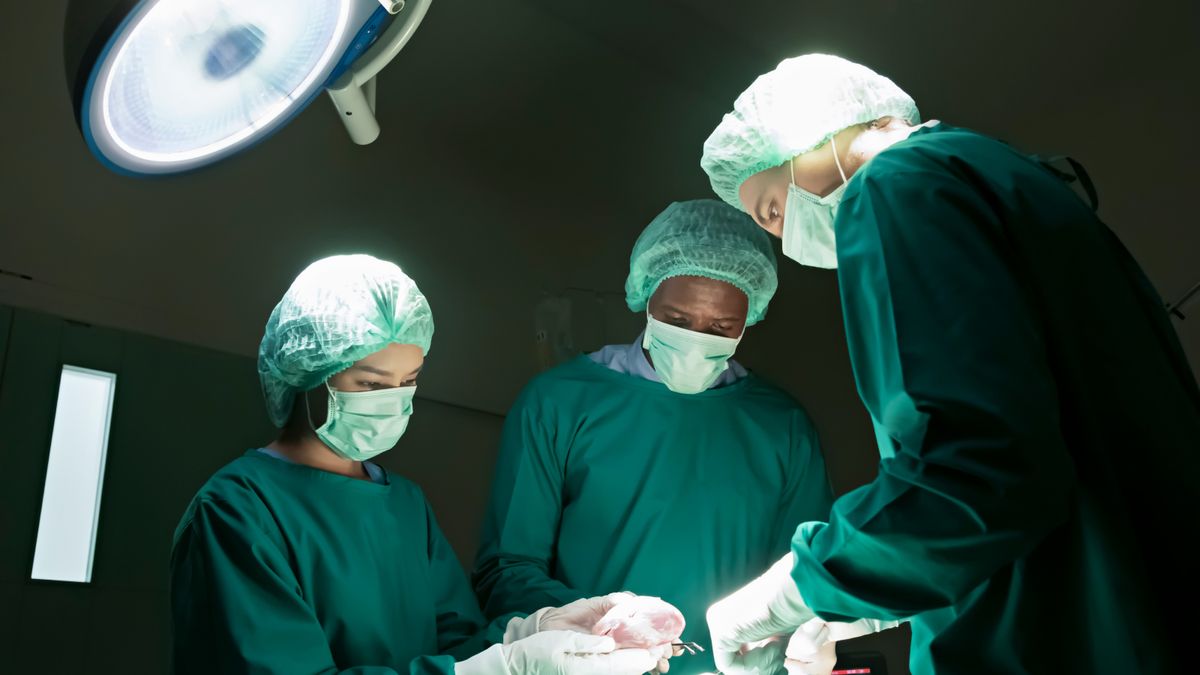
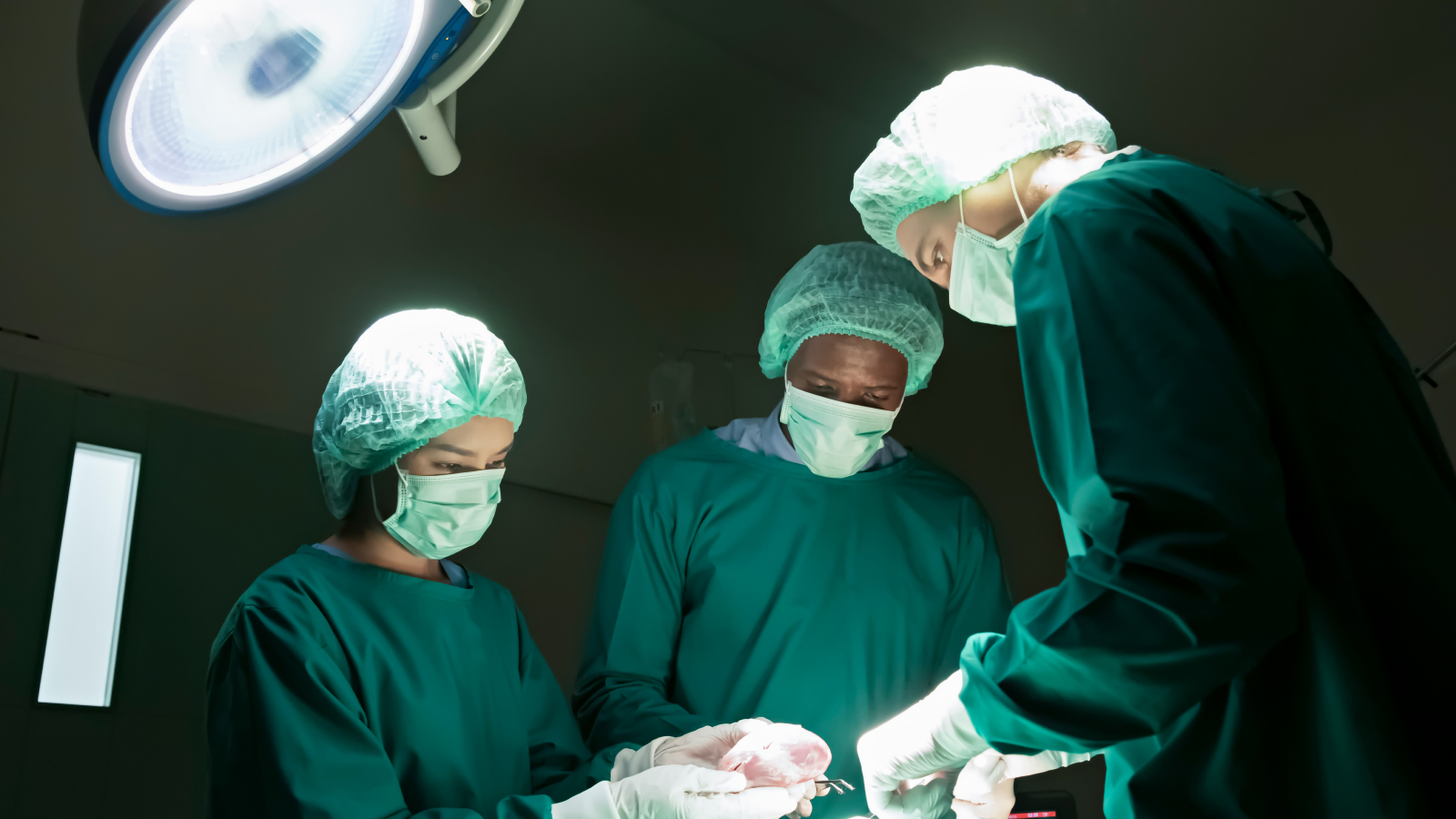
For those with damaged or failing organs, organ transplant is often the only hope of survival without the aid of a machine. Organ donation saves thousands of lives every year, and in 2023, more than 46,000 transplants from both living and deceased donors were performed in the U.S. — a national record.
Despite higher donor numbers than ever, demand for organ transplants consistently outstrips supply, with a person added to the waiting list every eight minutes. Faced with this pressure, medical professionals are constantly seeking innovative solutions to the organ supply crisis. One idea is to recycle transplanted organs — but is this possible?
Although it’s still a highly experimental procedure, “retransplantation of organs is both desirable and feasible,” Dr. Nima Nassiri, a professor of urology and transplant surgery at UCLA Health, and UCLA medical student Atieh Dehghani told Live Science in an email interview. “It allows for the optimal use of scarce donor resources, extending the life-years of functioning allografts” — transplanted tissue — “that would otherwise be discarded.”
Research into this treatment approach has made a promising start, with several documented cases of successful kidney, liver and heart retransplants. However, Dr. Pradeep Kadambi, a professor of medicine who specializes in kidney transplants at the University of Florida College of Medicine — Jacksonville, said the inherent risks of a conventional transplant surgery are compounded in a retransplant procedure.
Every surgical operation carries some risks — blood loss, disease transmission and unexpected procedural complications, for example — but transplant surgery has the additional difficulty of organ rejection.
“Each human being is unique and we express a set of proteins called Human Leucocyte Antigens (HLA), which is akin to DNA fingerprinting,” Kadambi told Live Science in an email. These antigens cover the surface of every organ, allowing the body to recognize its own structures and immediately identify potentially harmful foreign entities. Consequently, “the body’s protective mechanism is to reject the [donated] organ because it is foreign,” Kadambi added.
Related: How long can organs stay outside the body before being transplanted?
Transplant patients are usually prescribed immunosuppressive drugs, which weaken the immune system‘s response to prevent it from attacking the new organ. This lifelong therapy leaves patients much more susceptible to other infections, so doctors must carefully balance the need to prevent rejection while avoiding other complications.
Finding a close antigen match — known as immunological compatibility — reduces the risk of rejection, but this introduces another difficulty for secondary transplants. “For retransplanted organs, the immunological landscape becomes even more complex because these organs may carry additional antigens from prior recipients, increasing the risk of sensitization and rejection,” Nassiri said.
But it’s not just the immunological considerations that determine whether an organ transplant is successful; the health of the donor, recipient and organ itself all play a part. Underlying conditions such as high blood pressure or diabetes in either the donor or the recipient can affect how well the patient’s body responds to the new organ, while the quality of the transplanted tissue influences both the surgical complexity and the organ’s tolerance for the procedure.
Previous transplant surgeries can introduce physical differences to the organ which make the procedure more complicated. Surgeons therefore need to be particularly careful when reusing an otherwise healthy organ, explained Nassiri.
The scar tissue, shortened vessels and extended time without blood circulation associated with retransplant contribute to this difficulty and elevate the risks further.
However, with the average wait for a deceased donor kidney transplant currently at three to five years, Kadambi believes that in certain circumstances, retransplant could be the ideal solution. Kidneys are the most transplanted organ, and most people have to wait for a kidney from a deceased person, as live donations are less common.
“The risks are higher, but in the right circumstances, it could be successful,” he said. “The recipient has to be very involved in making this decision for themselves. Our own experience had a few unexpected complications, but we were able to overcome those and our patient had a successful outcome.”
