Close Menu
  • Home
  • UNSUBSCRIBE
  • News
  • Lifestyle
  • Tech
  • Entertainment
  • Sports
  • Travel
Facebook X (Twitter) WhatsApp
Trending
  • China unveils first-of-its-kind ‘dual-core’ quantum computer — its makers say it improves stability and efficiency
  • PMOS (formerly PCOS): Symptoms, diagnosis and treatment
  • 2,000 years ago in Scotland, people removed a corpse’s brain and fashioned the arm bones into tools
  • Scientists are fast-tracking 3 Ebola vaccines in hopes of shortening the outbreak — when could they be ready?
  • 2 vanished ‘super Earths’ once orbited near Uranus and Neptune, new study hints
  • Ditch full of 7,000-year-old headless human skeletons discovered in Slovakia, baffling archaeologists
  • Manhattan Project physicist Richard Feynman’s forgotten notes on ‘the restaurant problem’ deciphered after 50 years
  • Doctors need to understand patients’ lived experiences to treat them well—but medical schools may stop requiring that training | Naa Asheley Ashitey
Facebook X (Twitter) WhatsApp
Baynard Media
  • Home
  • UNSUBSCRIBE
  • News
  • Lifestyle
  • Tech
  • Entertainment
  • Sports
  • Travel
Baynard Media
Home»Lifestyle»Blood moon 2026: Where to livestream the total lunar eclipse next week
Lifestyle

Blood moon 2026: Where to livestream the total lunar eclipse next week

EditorBy EditorFebruary 24, 2026No Comments3 Mins Read
Share Facebook Twitter Pinterest LinkedIn Tumblr Reddit Telegram Email
Share
Facebook Twitter LinkedIn Pinterest Email

A total lunar eclipse will be visible from parts of North America on March 2-3, but not everyone is guaranteed to see it; daylight or clouds may obscure your view, depending on your location, and the moon’s low position to the horizon during the eclipse may also cause problems.

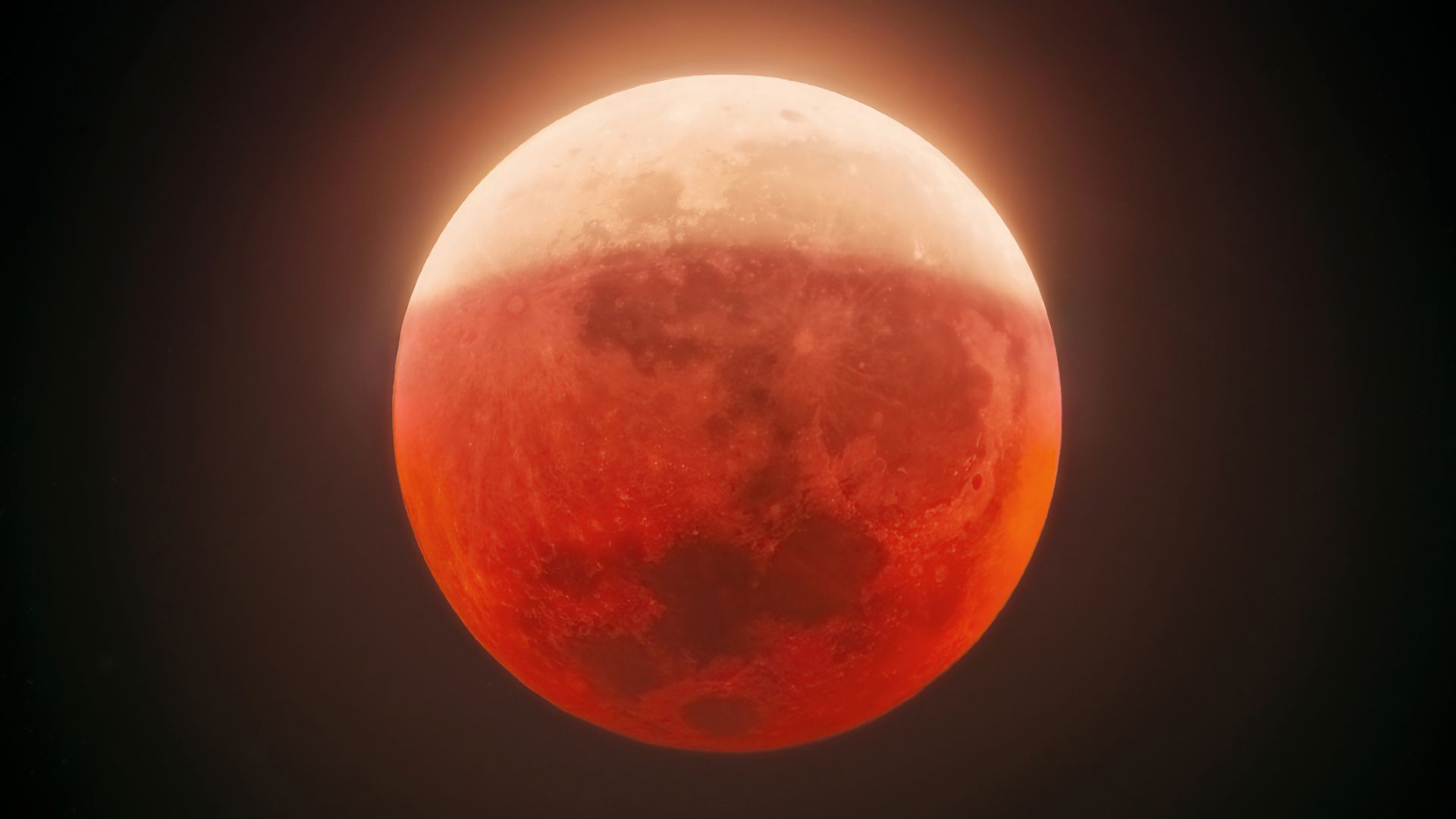
Thankfully, no matter where on Earth you are, you can still catch the “blood moon” online to savor the 58 minutes of lunar totality, when the moon moves completely into Earth’s dark umbral shadow and turns red.

Here’s a selection of astronomy organizations around the world that are planning to livestream the spectacular event, often using unique feeds from across the world. It will be the last total lunar eclipse until New Year’s Eve 2028 and the last one visible from North America until June 25-26, 2029.


You may like

The entire lunar eclipse on March 2-3 — from the point Earth’s outer shadow creeps across the moon to the moment it leaves — lasts about 5.5 hours, from 3:44 a.m. to 9:23 a.m. EST Tuesday (March 3), according to Time and Date. With webcasts running on your phone, tablet and/or laptop, you can flip back and forth between shots of the eclipse in various regions of North America, as well as in Australia, New Zealand and East Asia.

Access to webcasts will be particularly important for skywatchers in Europe, Africa and most of Asia — where the eclipse won’t be visible at all — or in the eastern time zones in North America. From the Midwest to the West Coast of North America, the totally eclipsed moon will be seen above the western horizon. However, from most of the East Coast, the moon will start to set just as it reaches totality.
LIVE: Total Lunar Eclipse (Blood Moon) – March 2–3, 2026 – YouTube
LIVE: Total Lunar Eclipse (Blood Moon) - March 2–3, 2026 - YouTube


Watch On

Time and Date

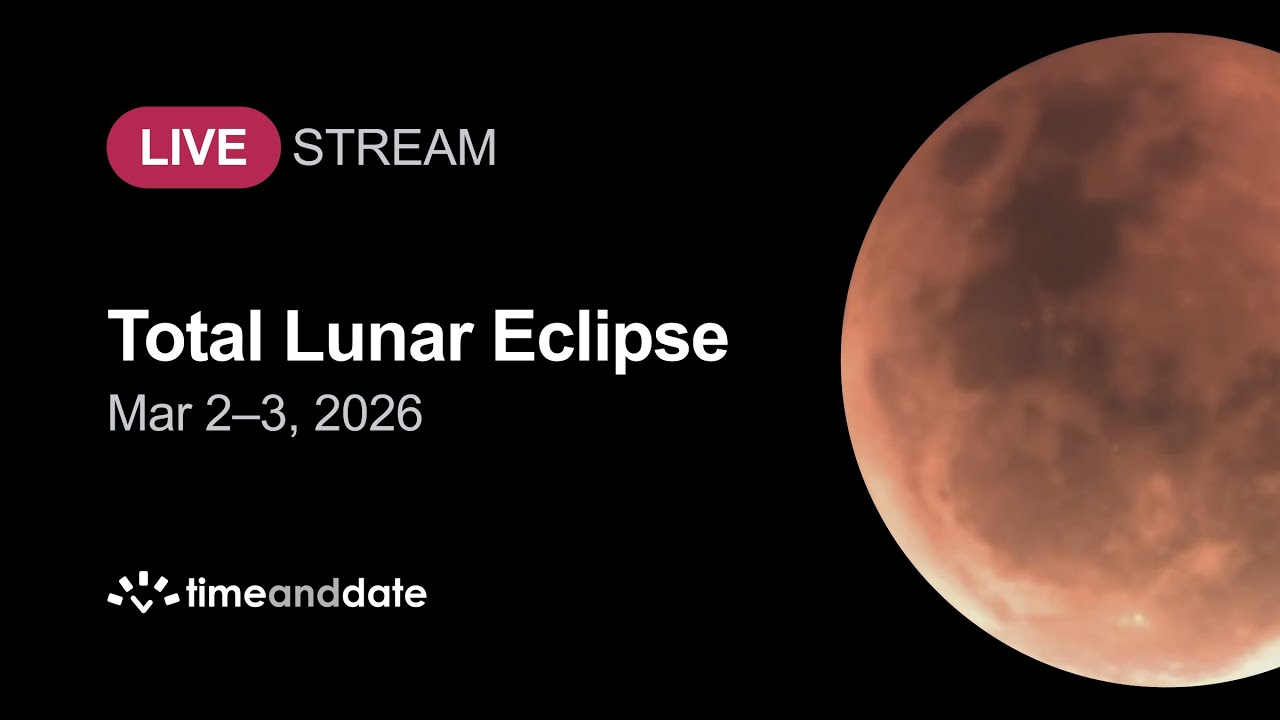
One of the most reliable livestreamers of eclipses of all kinds, the Timeanddate.com team will once again be on hand with live feeds from around the world. Presenters Graham Jones and Anne Buckle will host, as always. This time, they will be joined by Preethi Krishnamoorthy and Avinash Surendran, aka the Starry Knights, who will join from Hawaii, with other feeds from Perth Observatory in Australia and the website’s mobile observatory near Los Angeles.
TOTAL LUNAR ECLIPSE | MARCH 3, 2026 | GRIFFITH OBSERVATORY – YouTube
TOTAL LUNAR ECLIPSE | MARCH 3, 2026 | GRIFFITH OBSERVATORY - YouTube


Watch On

Griffith Observatory

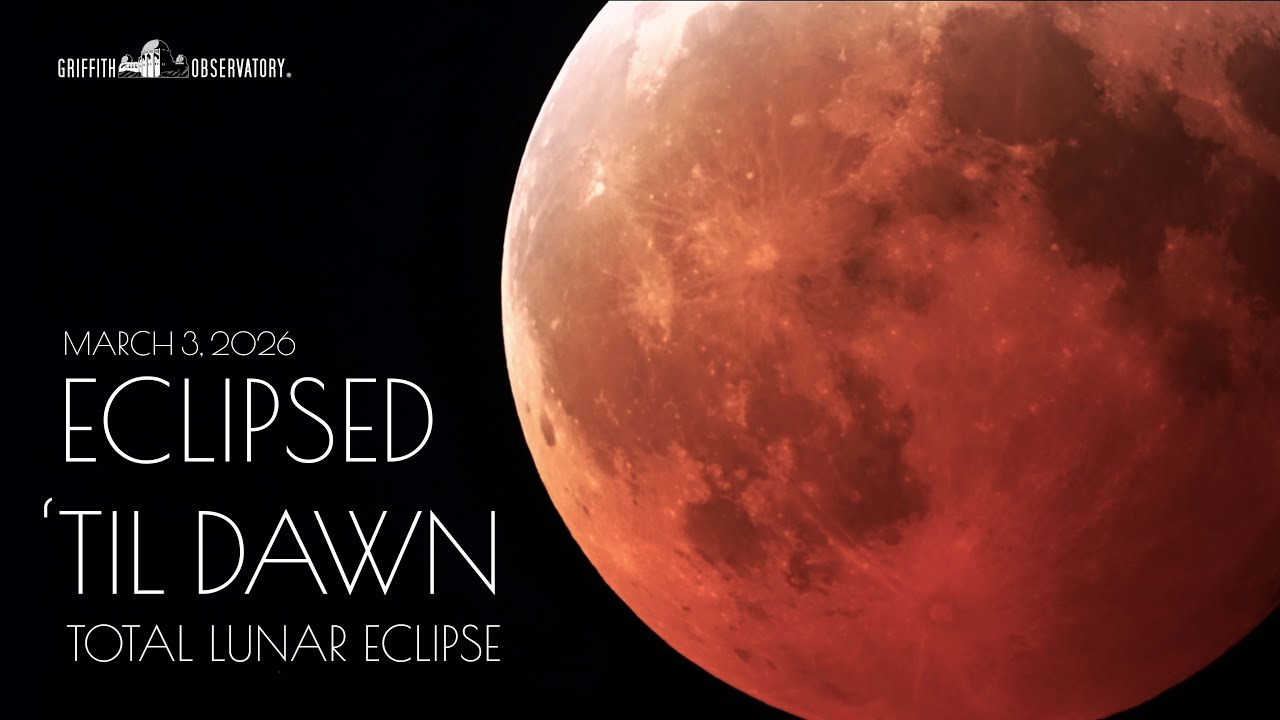
Tune in to the livestream from Griffith Observatory in Los Angeles from 12:47 a.m. to 6:25 a.m. PST on March 3, weather permitting. You can learn more about the broadcast on its homepage. Griffith’s view will likely be among the finest in North America, perfectly poised to capture the entire event from start to finish, as is anywhere in California. (Note, this is an online-only event, with no on-site public viewing.)

Get the world’s most fascinating discoveries delivered straight to your inbox.

The Virtual Telescope Project

Astrophysicist Gianluca Masi, who founded The Virtual Telescope Project, will curate a broadcast of the live footage from astroimagers streaming live views of the total lunar eclipse across the globe, starting at 3:30 a.m. EST. North American coverage will include livestreams from Florida, Michigan, New Mexico and Montreal, while Australian locations will feature views from Queensland, New South Wales, Victoria and Western Australia.

Here are the times for lunar totality:

  • Eastern time: 6:04-7:02 a.m. EST on March 3 (in most areas, moonset occurs during totality)
  • Central time: 5:04-6:02 a.m. CST on March 3
  • Mountain time: 4:04-5:02 a.m. MST on March 3
  • Pacific time: 3:04-4:02 a.m. PST on March 3
  • Alaska time: 2:04-3:02 a.m. AKST on March 3
  • Hawaii time: 1:04-2:02 a.m. HST on March 3

Source link

Share. Facebook Twitter Pinterest LinkedIn Tumblr Email
Previous ArticleVerizon is giving away the new Google Pixel 10a for free — here’s how to get yours
Next Article What’s in Store For Angel Stadium?
Editor
  • Website

Related Posts

Lifestyle

China unveils first-of-its-kind ‘dual-core’ quantum computer — its makers say it improves stability and efficiency

June 10, 2026
Lifestyle

PMOS (formerly PCOS): Symptoms, diagnosis and treatment

June 10, 2026
Lifestyle

2,000 years ago in Scotland, people removed a corpse’s brain and fashioned the arm bones into tools

June 10, 2026
Add A Comment

Comments are closed.

Categories
  • Entertainment
  • Lifestyle
  • News
  • Sports
  • Tech
  • Travel
Recent Posts
  • China unveils first-of-its-kind ‘dual-core’ quantum computer — its makers say it improves stability and efficiency
  • PMOS (formerly PCOS): Symptoms, diagnosis and treatment
  • 2,000 years ago in Scotland, people removed a corpse’s brain and fashioned the arm bones into tools
  • Scientists are fast-tracking 3 Ebola vaccines in hopes of shortening the outbreak — when could they be ready?
  • 2 vanished ‘super Earths’ once orbited near Uranus and Neptune, new study hints
calendar
June 2026
M T W T F S S
1234567
891011121314
15161718192021
22232425262728
2930  
« May    
Recent Posts
  • China unveils first-of-its-kind ‘dual-core’ quantum computer — its makers say it improves stability and efficiency
  • PMOS (formerly PCOS): Symptoms, diagnosis and treatment
  • 2,000 years ago in Scotland, people removed a corpse’s brain and fashioned the arm bones into tools
About

Welcome to Baynard Media, your trusted source for a diverse range of news and insights. We are committed to delivering timely, reliable, and thought-provoking content that keeps you informed
and inspired

Categories
  • Entertainment
  • Lifestyle
  • News
  • Sports
  • Tech
  • Travel
Facebook X (Twitter) Pinterest WhatsApp
  • Contact Us
  • About Us
  • Privacy Policy
  • Disclaimer
  • UNSUBSCRIBE
© 2026 copyrights reserved

Type above and press Enter to search. Press Esc to cancel.