Close Menu
  • Home
  • UNSUBSCRIBE
  • News
  • Lifestyle
  • Tech
  • Entertainment
  • Sports
  • Travel
Facebook X (Twitter) WhatsApp
Trending
  • Great Pyramid of Giza is remarkably resilient to earthquakes —‬ and it’s due to the ancient Egyptians’ ‘extraordinary’ engineering knowledge
  • China’s real-life ‘transformer’ mech is a giant humanoid robot that can switch from bounding on 4 legs to walking on 2
  • How can we prevent AI models from cannibalizing themselves when human-generated data runs out? Scientists say they’ve found the answer.
  • ‘The system is likely to reach a breaking point’: Major Italian volcano is speeding toward a transition, and a major eruption could be on the way
  • China installs world’s largest floating wind turbine in deep water test — it generates enough energy to power 4,200 homes annually
  • Diagnostic dilemma: A biopsy of a woman’s cancerous tumor caused it to vanish
  • Physicists confirm ‘negative time’ is real in mind-bending quantum experiment
  • Complex animals evolved up to 10 million years earlier than previously thought, fossil discovery shows
Facebook X (Twitter) WhatsApp
Baynard Media
  • Home
  • UNSUBSCRIBE
  • News
  • Lifestyle
  • Tech
  • Entertainment
  • Sports
  • Travel
Baynard Media
Home»Lifestyle»‘An existential threat affecting billions’: Three-quarters of Earth’s land became permanently drier in last 3 decades
Lifestyle

‘An existential threat affecting billions’: Three-quarters of Earth’s land became permanently drier in last 3 decades

EditorBy EditorDecember 9, 2024No Comments3 Mins Read
Share Facebook Twitter Pinterest LinkedIn Tumblr Reddit Telegram Email
Share
Facebook Twitter LinkedIn Pinterest Email

Climate change has made three-quarters of the Earth’s land permanently drier in the last three decades, a landmark United Nations (UN) report has warned.

77.6% of Earth’s land has become drier in the last three decades compared to the 30 years prior, with drylands expanding by an area larger than India to cover 40.6% of the land on Earth, except for Antarctica.

And the findings, released in a new report by the UN Convention to Combat Desertification ((UNCCD), warn that if the trend continues, up to five billion people could live in drylands by the century’s end — causing soils to deplete, water resources to dwindle, and vital ecosystems to collapse.

“For the first time, the aridity crisis has been documented with scientific clarity, revealing an existential threat affecting billions around the globe,” Ibrahim Thiaw, the UNCCD executive secretary, said in a statement. “Droughts end. When an area’s climate becomes drier, however, the ability to return to previous conditions is lost. The drier climates now affecting vast lands across the globe will not return to how they were and this change is redefining life on Earth.”

Related: ‘Precipitation, the source of all fresh water, can no longer be relied upon’: Global water cycle pushed out of balance ‘for 1st time in human history’

As climate change causes temperatures to rise around the globe, water evaporates more readily from its surfaces, and the atmosphere gains an ever increasing capacity to absorb it.

This is pushing much of the planet into increasingly arid conditions — permanently transforming once verdant forests into arid grasslands and removing the moisture needed for life and agriculture.

Get the world’s most fascinating discoveries delivered straight to your inbox.

This issue, alongside destructive land use and the mismanagement of water resources, means that nearly three billion people and over half of global food production are facing “unprecedented stress” on their water systems, according to one recent study.

Yet despite being a growing concern among scientists, documenting the extent of the planet’s drying due to climate change has been a challenge, largely, the report claims, due to the complexity of interwoven factors, conflicting results, and the muddying effect of scientific caution.

To move past this deadlock, the authors behind the new report used advanced climate models, standardized methodologies and an extensive review of the existing literature and data to get a clear picture of the growing drying trend.

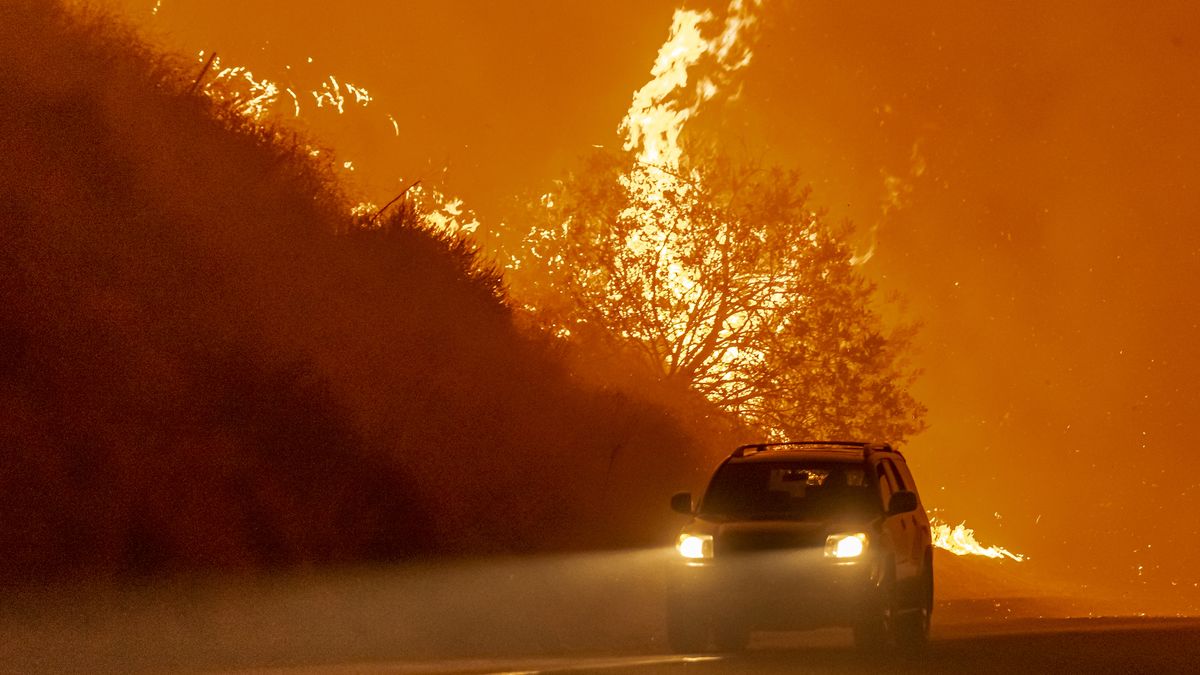
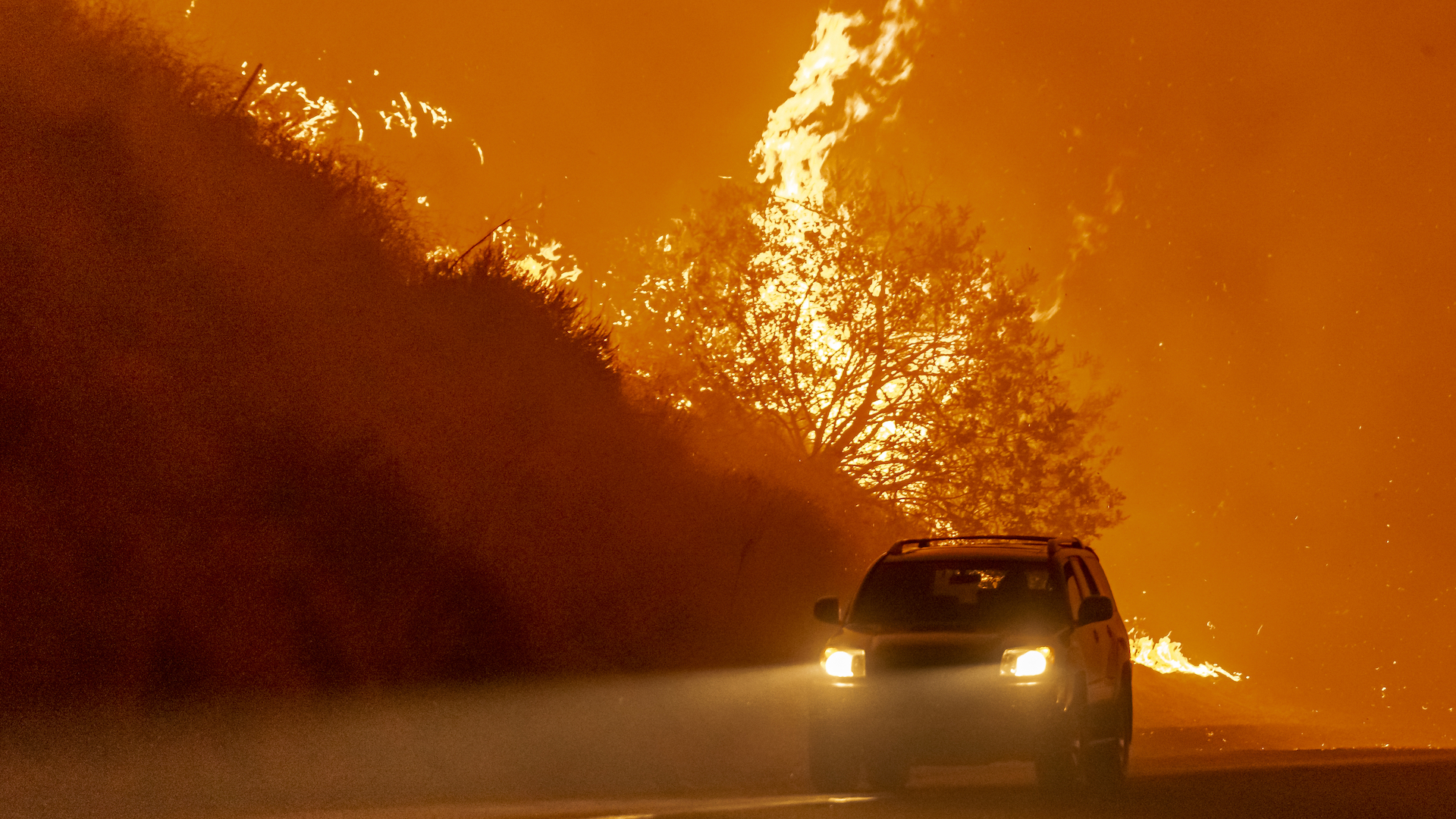
And their findings are stark: aridity is now affecting 40% of the world’s agricultural land and 2.3 billion people, causing intensified wildfires, agricultural collapse and spurring growing mass migrations. Areas particularly hard hit include almost all of Europe, the western United States, Brazil, eastern Asia, and central Africa.

Yet the report’s authors say that if action is taken, the future need not look so bleak. The comprehensive roadmap they offer for tackling the crisis — besides drastically reducing carbon emissions to halt the trend — includes improved monitoring of aridity, better uses of land and water, and fostering resilience and cooperation within and between communities around the world.

“Without concerted efforts, billions face a future marked by hunger, displacement, and economic decline,” Barron Orr, the UNCCD’s chief scientist, said in the statement. “Yet, by embracing innovative solutions and fostering global solidarity, humanity can rise to meet this challenge. The question is not whether we have the tools to respond — it is whether we have the will to act.”

Source link

Share. Facebook Twitter Pinterest LinkedIn Tumblr Email
Previous ArticleSouth Korea imposes travel ban on president amid martial law fallout
Next Article Woman dies after being pulled from MA house fire; man expected to survive
Editor
  • Website

Related Posts

Lifestyle

Great Pyramid of Giza is remarkably resilient to earthquakes —‬ and it’s due to the ancient Egyptians’ ‘extraordinary’ engineering knowledge

May 21, 2026
Lifestyle

China’s real-life ‘transformer’ mech is a giant humanoid robot that can switch from bounding on 4 legs to walking on 2

May 21, 2026
Lifestyle

How can we prevent AI models from cannibalizing themselves when human-generated data runs out? Scientists say they’ve found the answer.

May 21, 2026
Add A Comment

Comments are closed.

Categories
  • Entertainment
  • Lifestyle
  • News
  • Sports
  • Tech
  • Travel
Recent Posts
  • Great Pyramid of Giza is remarkably resilient to earthquakes —‬ and it’s due to the ancient Egyptians’ ‘extraordinary’ engineering knowledge
  • China’s real-life ‘transformer’ mech is a giant humanoid robot that can switch from bounding on 4 legs to walking on 2
  • How can we prevent AI models from cannibalizing themselves when human-generated data runs out? Scientists say they’ve found the answer.
  • ‘The system is likely to reach a breaking point’: Major Italian volcano is speeding toward a transition, and a major eruption could be on the way
  • China installs world’s largest floating wind turbine in deep water test — it generates enough energy to power 4,200 homes annually
calendar
May 2026
M T W T F S S
 123
45678910
11121314151617
18192021222324
25262728293031
« Apr    
Recent Posts
  • Great Pyramid of Giza is remarkably resilient to earthquakes —‬ and it’s due to the ancient Egyptians’ ‘extraordinary’ engineering knowledge
  • China’s real-life ‘transformer’ mech is a giant humanoid robot that can switch from bounding on 4 legs to walking on 2
  • How can we prevent AI models from cannibalizing themselves when human-generated data runs out? Scientists say they’ve found the answer.
About

Welcome to Baynard Media, your trusted source for a diverse range of news and insights. We are committed to delivering timely, reliable, and thought-provoking content that keeps you informed
and inspired

Categories
  • Entertainment
  • Lifestyle
  • News
  • Sports
  • Tech
  • Travel
Facebook X (Twitter) Pinterest WhatsApp
  • Contact Us
  • About Us
  • Privacy Policy
  • Disclaimer
  • UNSUBSCRIBE
© 2026 copyrights reserved

Type above and press Enter to search. Press Esc to cancel.