Close Menu
  • Home
  • UNSUBSCRIBE
  • News
  • Lifestyle
  • Tech
  • Entertainment
  • Sports
  • Travel
Facebook X (Twitter) WhatsApp
Trending
  • Do some Minnesota cities still have them?
  • ‘Oslo patient’ likely cured of HIV after getting stem cell transplant from his brother, who is genetically resistant to the virus
  • Former Arizona Cardinals head coach Dave McGinnis dies at 74 after illness
  • Costa Mesa Gears Up for Park Renovations
  • Living in UK vs US: A Tight Race
  • Lena Dunham recalls father not wanting to vote with her amid 2012 backlash
  • Rep. Tony Gonzales says he’ll retire as he faces an ethics probe and possible expulsion vote
  • Stone Age tombs in Scotland reveal ‘webs of descent’ among male relatives
Facebook X (Twitter) WhatsApp
Baynard Media
  • Home
  • UNSUBSCRIBE
  • News
  • Lifestyle
  • Tech
  • Entertainment
  • Sports
  • Travel
Baynard Media
Home»Lifestyle»Stone Age tombs in Scotland reveal ‘webs of descent’ among male relatives
Lifestyle

Stone Age tombs in Scotland reveal ‘webs of descent’ among male relatives

EditorBy EditorApril 14, 2026No Comments3 Mins Read
Share Facebook Twitter Pinterest LinkedIn Tumblr Reddit Telegram Email
Share
Facebook Twitter LinkedIn Pinterest Email

Stone Age people in northern Scotland buried related males — but not females — together in the same tomb, a new DNA study reveals, creating “webs of descent” across several Neolithic archaeological sites.

In the study, published Tuesday (April 14) in the journal Antiquity, researchers analyzed the DNA of 22 people from five tombs in the county of Caithness and the Orkney Islands in northern Scotland. The tombs were used between 3800 and 3200 B.C., when prehistoric Scotland was transitioning from foraging to farming.

But because the human remains in these Stone Age tombs have become scattered, mixed up and degraded over nearly 6,000 years, archaeologists had not learned much about social relationships in Neolithic Scotland.


You may like

Using ancient DNA analysis, researchers have now been able to raise and answer questions about kinship in this period. For example “how often were tombs used to contain the remains of close genetic relatives? How often were individuals selected for inclusion because they were related along the male line?” study co-author Chris Fowler, an archaeologist at Newcastle University in the U.K., said in a statement.

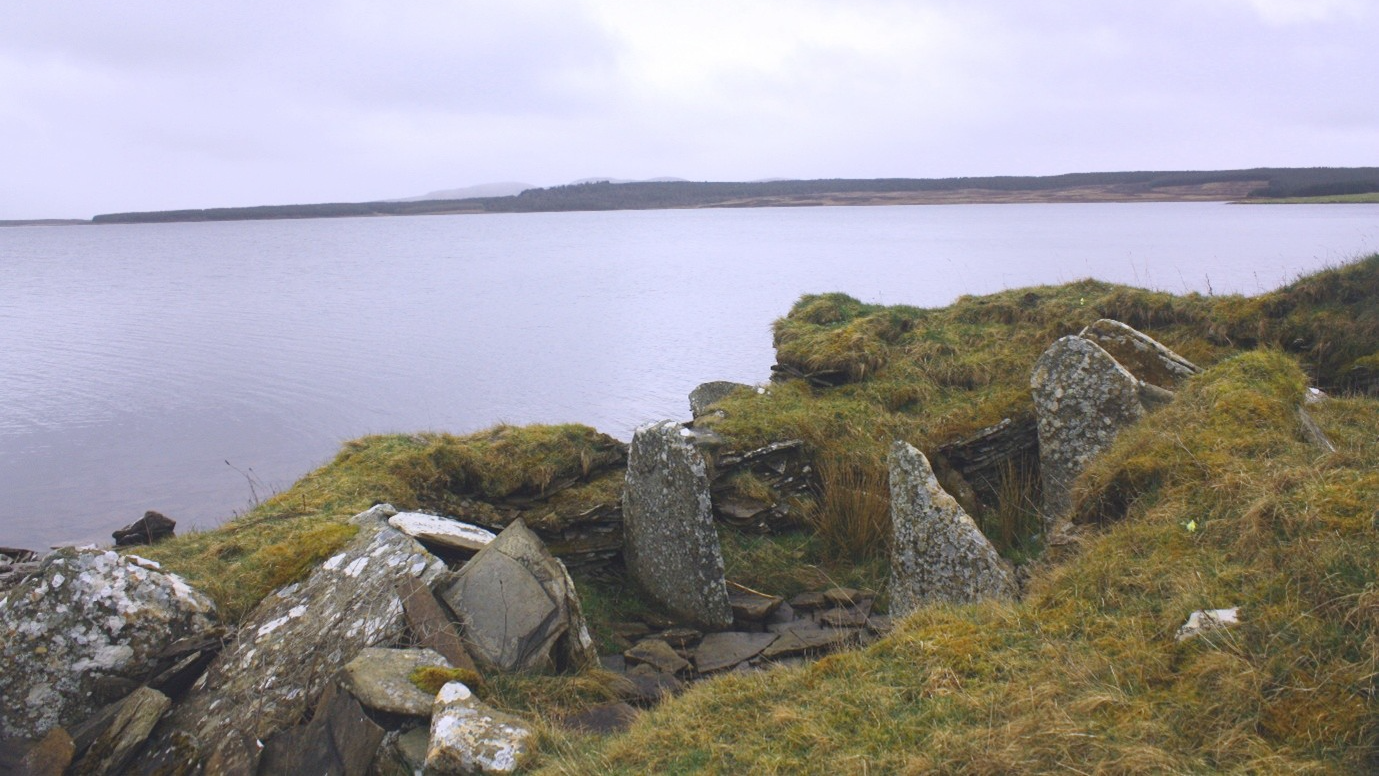
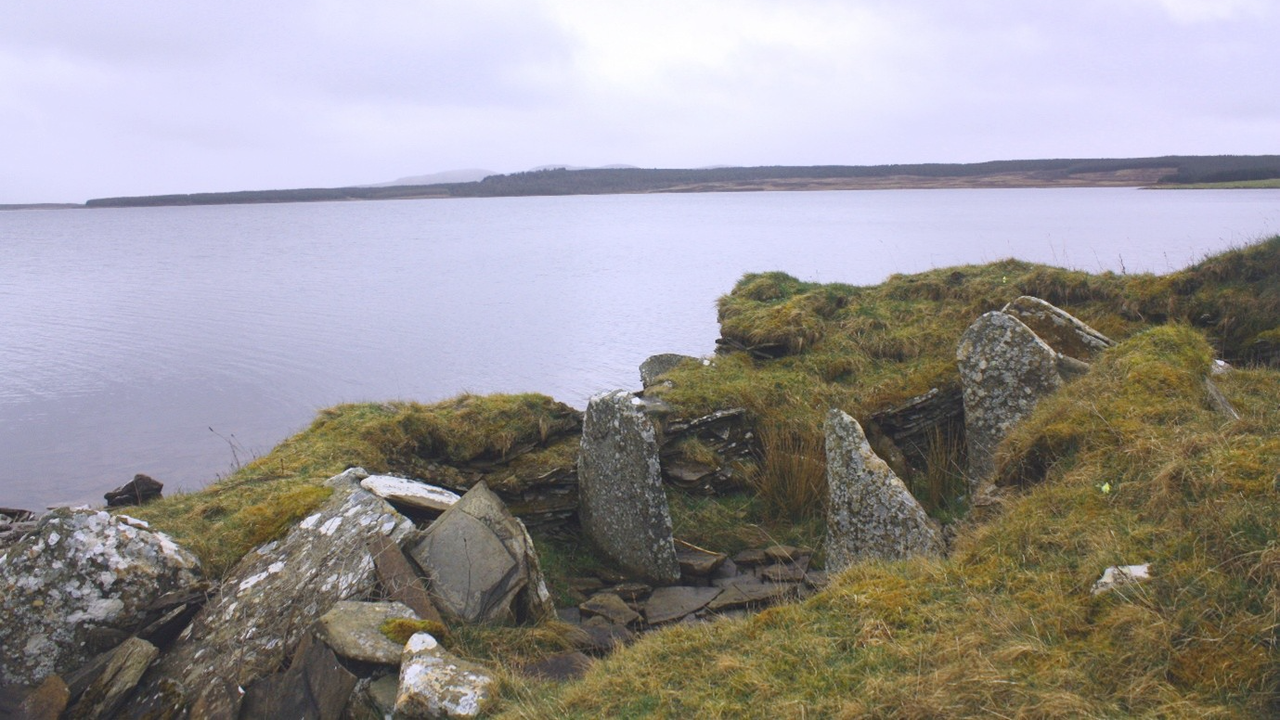
In the tombs, the researchers found close genetic relatives, all of whom were linked along the male line. Two tombs held father-and-son pairs, and one contained brothers. Half brothers or paternal uncle-and-nephew pairs were found in two neighboring tombs. And one tomb — located in northeast Scotland on Loch Calder — contained the only evidence ever found of a father, son and grandson buried together in Neolithic Scotland.

“It is incredible to think that, over 5,000 years after these people were deposited in these tombs, we were able to reconstruct how they were related to each other through the analysis of ancient DNA,” study lead author Vicki Cummings, an archaeologist at Cardiff University in Wales, said in the statement. “This study shows that the people building these monuments placed a particular emphasis on the male line.”

The female skeletons that the researchers studied did not show any close connections. There were no mother-daughter or sister pairs in tombs, for example, and the closest genetic relationship between any two women was fifth-degree, which equates to first cousins once removed.

Get the world’s most fascinating discoveries delivered straight to your inbox.

However, two females buried in tombs on an Orkney island were genetically related to males buried in mainland tombs, suggesting that women may have played a key role in maintaining “webs of descent” across the water, the researchers wrote in the study.

While experts had long assumed that Neolithic people in this area organized themselves along the male line, the new study confirms it.

“These results are consistent with the interpretation that patrilineal descent was traced in this region,” Cummings said. “For the people introducing the Neolithic into Britain, this social connection may have been as important as pots, cows and axes.”

Cummings, V., Fowler, C., Olalde, I., Cuthbert, S., Reich, D. (2026). Building tombs and entombing the dead as technologies of descent and affinity in Neolithic northern Scotland. Antiquity. https://doi.org/10.15184/aqy.2026.10291


Stone Age quiz: What do you know about the Paleolithic, Mesolithic and Neolithic?

Source link

Share. Facebook Twitter Pinterest LinkedIn Tumblr Email
Previous ArticleJD Vance says the ball is ‘in Iran’s court’ after Pakistan peace talks stall
Next Article Rep. Tony Gonzales says he’ll retire as he faces an ethics probe and possible expulsion vote
Editor
  • Website

Related Posts

Lifestyle

‘Oslo patient’ likely cured of HIV after getting stem cell transplant from his brother, who is genetically resistant to the virus

April 14, 2026
Lifestyle

Living in UK vs US: A Tight Race

April 14, 2026
Lifestyle

Average IQ by Country in 2024

April 13, 2026
Add A Comment

Comments are closed.

Categories
  • Entertainment
  • Lifestyle
  • News
  • Sports
  • Tech
  • Travel
Recent Posts
  • Do some Minnesota cities still have them?
  • ‘Oslo patient’ likely cured of HIV after getting stem cell transplant from his brother, who is genetically resistant to the virus
  • Former Arizona Cardinals head coach Dave McGinnis dies at 74 after illness
  • Costa Mesa Gears Up for Park Renovations
  • Living in UK vs US: A Tight Race
calendar
April 2026
M T W T F S S
 12345
6789101112
13141516171819
20212223242526
27282930  
« Mar    
Recent Posts
  • Do some Minnesota cities still have them?
  • ‘Oslo patient’ likely cured of HIV after getting stem cell transplant from his brother, who is genetically resistant to the virus
  • Former Arizona Cardinals head coach Dave McGinnis dies at 74 after illness
About

Welcome to Baynard Media, your trusted source for a diverse range of news and insights. We are committed to delivering timely, reliable, and thought-provoking content that keeps you informed
and inspired

Categories
  • Entertainment
  • Lifestyle
  • News
  • Sports
  • Tech
  • Travel
Facebook X (Twitter) Pinterest WhatsApp
  • Contact Us
  • About Us
  • Privacy Policy
  • Disclaimer
  • UNSUBSCRIBE
© 2026 copyrights reserved

Type above and press Enter to search. Press Esc to cancel.