Close Menu
  • Home
  • UNSUBSCRIBE
  • News
  • Lifestyle
  • Tech
  • Entertainment
  • Sports
  • Travel
Facebook X (Twitter) WhatsApp
Trending
  • Inherited diseases don’t work like we thought they did
  • How to unblock XNXX for free
  • Onana denied last-minute equaliser by sensational Sa save!
  • Kate Middleton Turns Down Autograph Over Royal Rules
  • Fernando Mendoza says NFL team executive suggested he get arrested
  • A new Stuff Your Kindle Day is live for 1 day only — score dark romance books for free
  • 'Wolves WIN!' | Gomes seals victory with 97th-minute counter!
  • Why Kylie Kelce Was "Irked" by Donna Kelce's Experience on Traitors
Facebook X (Twitter) WhatsApp
Baynard Media
  • Home
  • UNSUBSCRIBE
  • News
  • Lifestyle
  • Tech
  • Entertainment
  • Sports
  • Travel
Baynard Media
Home»Lifestyle»NASA announces sweeping overhaul of Artemis return to moon, targeting two 2028 landings and a 2027 in-orbit docking flight
Lifestyle

NASA announces sweeping overhaul of Artemis return to moon, targeting two 2028 landings and a 2027 in-orbit docking flight

EditorBy EditorFebruary 28, 2026No Comments4 Mins Read
Share Facebook Twitter Pinterest LinkedIn Tumblr Reddit Telegram Email
Share
Facebook Twitter LinkedIn Pinterest Email

NASA has announced a sweeping overhaul to its Artemis program, saying that the agency’s plan to return astronauts to the moon by 2028 would not be achievable without an additional flight in 2027.

The new plan, outlined by NASA Administrator Jared Isaacman at a Friday (Feb. 27) news conference, includes yearly crewed launches and the scrapping of the Boeing-developed Exploration Upper Stage.

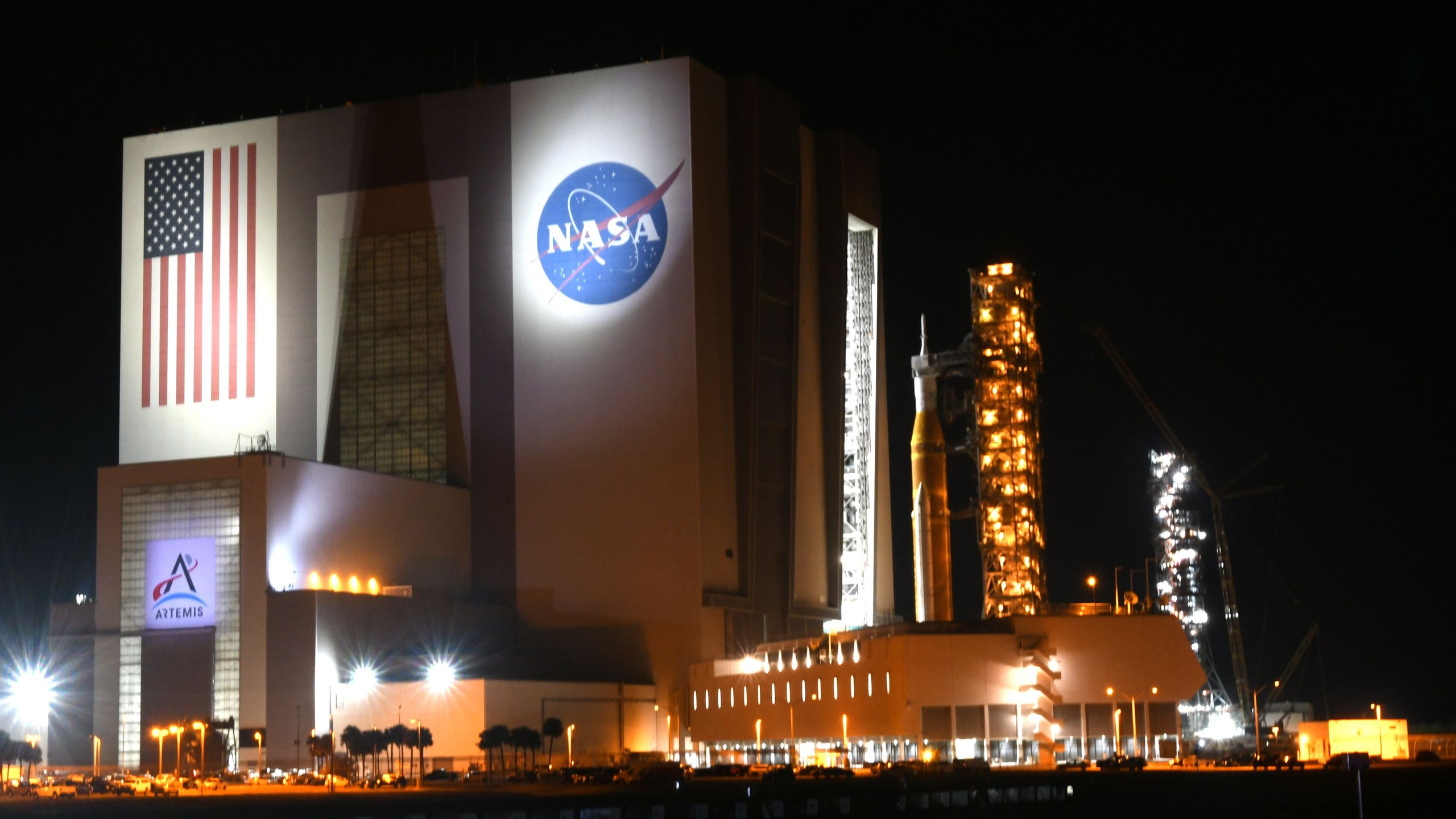
The announcement comes just after the Artemis program suffered its latest setback, an upper-stage helium leak which forced engineers to abandon a March Artemis II launch attempt and haul the Space Launch System (SLS) rocket back to the Kennedy Space Center’s Vehicle Assembly building for fixes.


You may like

This issue; plus a string of hydrogen leaks to this rocket and its predecessor; and other considerations about the readiness of core mission technologies, have all contributed to NASA’s changed plan. According to Isaacman, the adjustment will rebuild NASA’s civil servant workforce and restore core capabilities before a moon landing is attempted.

“Right now our program is essentially set up with Apollo 8 then going right to the moon,” Isaacman said at the news conference. “That is not a pathway to success.”

What’s changing?

NASA announced several major changes to the timeline of the Artemis program, most notably adding a new step between the upcoming Artemis II mission, which will send astronauts on a round-trip around the moon, and a future mission to land humans on the lunar surface for the first time in more than 50 years.

Originally, NASA planned to land a team of astronauts on the moon during the next phase of the Artemis mission, dubbed Artemis III. The crewed lunar landing was initially scheduled for 2026, but has faced numerous delays, recently being pushed back to 2028 at the earliest.

Get the world’s most fascinating discoveries delivered straight to your inbox.

NASA still hopes to land humans on the moon in early 2028, officials said at the briefing, but that mission will now be called Artemis IV. It will also be followed by another crewed landing attempt in late 2028 called Artemis V. In the meantime, the newly retooled Artemis III mission will instead test the Orion crew capsule’s ability to dock with a lunar lander in orbit.

Looking to launch in mid-2027, the new Artemis III mission would launch a crew into low-Earth orbit aboard NASA’s SLS rocket, then dock the Orion capsule with a lander manufactured by either SpaceX or Blue Origin, two private partners working with NASA.

Adding this additional step to the Artemis campaign puts it more in line with the progression of the Apollo missions — the ten-day Apollo 9 mission tested a docking between the team’s command module and lunar lander in low-Earth orbit — before the Apollo 11 mission ultimately landed humans on the moon.


You may like

NASA Administrator Jared Isaacman, NASA Associate Administrator Amit Kshatriya, and Lori Glaze, associate administrator for NASA's Exploration Systems Development Mission Directorate, speak during a press conference to provide an update on the Artemis II mission at the Kennedy Space Center in Cape Canaveral.

NASA Administrator Jared Isaacman (left), NASA Associate Administrator Amit Kshatriya (center), and Lori Glaze (right), associate administrator for NASA’s Exploration Systems Development Mission Directorate, at the Feb 27. news conference at Kennedy Space Center in Cape Canaveral. (Image credit: Getty Images)

Why is NASA doing this?

This extra step will significantly reduce the risks of a lunar landing, according to Ars Technica, allowing the NASA team to test the handling of the lunar lander, the process of rendezvous and docking the two spacecraft, communications, spacesuit performance and more.

Despite the extra steps, NASA hopes to keep up a brisk pace that will still put American astronauts back on the moon before any other space-faring nations (particularly China) have the chance to.

“If you want a history tidbit, look at the time when Apollo 7 splashed down to when Apollo 8 launched, you’re approximately two months apart. We need to start going back to basics and moving in this direction,” Isaacman said. “We’re going to endeavour to get our launches within a year. Specifically, down to potentially ten months.”

Following the Artemis IV return to the moon, NASA intends to continue annual lunar rocket launches into the foreseeable future, Isaacman added.

Source link

Share. Facebook Twitter Pinterest LinkedIn Tumblr Email
Previous ArticleTrump declares Anthropic ‘woke’ and orders Pentagon to phase it out
Next Article Luigi Mangione dodges death penalty after federal prosecutors decline to appeal ruling
Editor
  • Website

Related Posts

Lifestyle

Inherited diseases don’t work like we thought they did

February 28, 2026
Lifestyle

Stone Age boy in Sweden was buried in deerskin and a woodpecker headdress, archaeologists discover

February 28, 2026
Lifestyle

Acing this new AI exam — which its creators say is the toughest in the world — might point to the first signs of AGI

February 27, 2026
Add A Comment

Comments are closed.

Categories
  • Entertainment
  • Lifestyle
  • News
  • Sports
  • Tech
  • Travel
Recent Posts
  • Inherited diseases don’t work like we thought they did
  • How to unblock XNXX for free
  • Onana denied last-minute equaliser by sensational Sa save!
  • Kate Middleton Turns Down Autograph Over Royal Rules
  • Fernando Mendoza says NFL team executive suggested he get arrested
calendar
February 2026
M T W T F S S
 1
2345678
9101112131415
16171819202122
232425262728  
« Jan    
Recent Posts
  • Inherited diseases don’t work like we thought they did
  • How to unblock XNXX for free
  • Onana denied last-minute equaliser by sensational Sa save!
About

Welcome to Baynard Media, your trusted source for a diverse range of news and insights. We are committed to delivering timely, reliable, and thought-provoking content that keeps you informed
and inspired

Categories
  • Entertainment
  • Lifestyle
  • News
  • Sports
  • Tech
  • Travel
Facebook X (Twitter) Pinterest WhatsApp
  • Contact Us
  • About Us
  • Privacy Policy
  • Disclaimer
  • UNSUBSCRIBE
© 2026 copyrights reserved

Type above and press Enter to search. Press Esc to cancel.