Close Menu
  • Home
  • UNSUBSCRIBE
  • News
  • Lifestyle
  • Tech
  • Entertainment
  • Sports
  • Travel
Facebook X (Twitter) WhatsApp
Trending
  • New robotic heart mimics common, mysterious condition to help researchers study it
  • Canon EOS R6 III review: A wildlife wonder
  • Medieval babies and adults buried together in Sweden were not related, archaeologists discover — raising big questions about early Christian burial practices
  • NASA is creating a fifth state of matter on the ISS, thanks to an upgrade to a mini-fridge-sized quantum lab
  • New sodium metal battery design charges in just 4 minutes and retains its capacity for years
  • Quantum computing wielded to create extremely rare material critical to nuclear fusion
  • Scientists build tiny ‘diving suit’ for cockroaches, turning them into search-and-rescue cyborgs
  • Physicists develop the first working model of quantum mechanics using only ‘real’ numbers
Facebook X (Twitter) WhatsApp
Baynard Media
  • Home
  • UNSUBSCRIBE
  • News
  • Lifestyle
  • Tech
  • Entertainment
  • Sports
  • Travel
Baynard Media
Home»Lifestyle»Newly discovered toads skip the tadpole stage and give birth to live ‘toadlets’
Lifestyle

Newly discovered toads skip the tadpole stage and give birth to live ‘toadlets’

EditorBy EditorNovember 11, 2025No Comments3 Mins Read
Share Facebook Twitter Pinterest LinkedIn Tumblr Reddit Telegram Email
Share
Facebook Twitter LinkedIn Pinterest Email

Scientists have identified three new toad species that give birth to live “toadlets” rather than laying eggs.

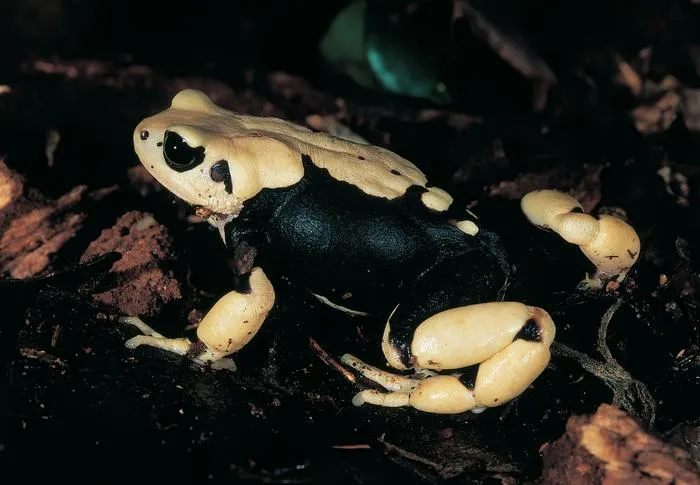
All three species are part of the Nectophrynoides genus, also known as “tree toads,” which is a group known for birthing live baby toads that skip the tadpole stage. Previously thought to be one species with a large population and habitat range, these smaller, more fragmented species may require additional conservation measures, researchers wrote in a new study.

“Live-bearing is exceptionally rare among frogs and toads, practiced by less than 1% of frogs species, making these new species exceptionally interesting,” study co-author H. Christoph Liedtke, a researcher who studies amphibian evolution at the Spanish National Research Council, said in a statement.


You may like

Just 17 of over 7,000 known species of frogs and toads were known to give birth to live young prior to this study, with 13 of them being part of the Nectophrynoides genus. The new study, published Nov. 6 in the journal Vertebrate Zoology, adds the three newly identified species to each of those totals.

Researchers first identified a species called Nectophrynoides viviparus in 1905 and classified it within the Nectophrynoides genus in 1926. Since then, scientists have found specimens of N. viviparus across the Eastern Arc Mountains and Southern Highlands of Tanzania. But a 2016 study suggested that many of those toads were genetically distinct enough that they might be from multiple similar-but-distinct species.

In the new study, researchers looked more closely at Nectophrynoides toads from the Eastern Arc Mountains. They studied hundreds of toad specimens preserved in museums, as well as recordings of some of the toads’ calls in the wild. Using methods collectively known as museomics, they also sampled mitochondrial DNA from some of the museum specimens.
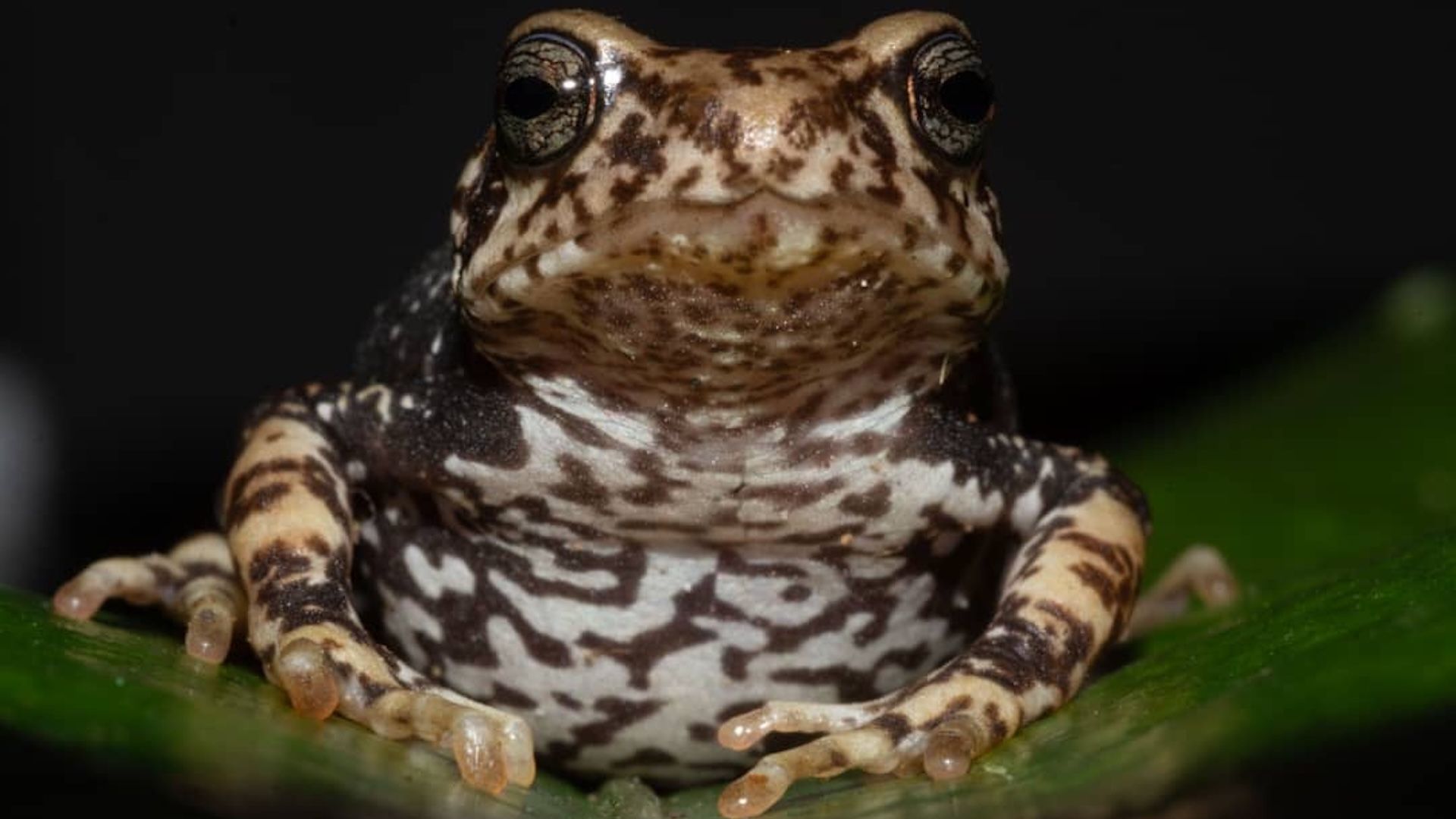
Nectophrynoides uhehe

One of the newly described toad species, N. uhehe.  (Image credit: Michele Menegon)

Together, the research revealed that the toads in that region were in fact from four separate species, three of which had not been identified before. These species — Nectophrynoides saliensis, Nectophrynoides luhomeroensis and Nectophrynoides uhehe — look similar to N. viviparus. However, slight differences in their genetics, their head shapes, and the shape and positioning of the glands on their shoulders distinguish them. Other toads from farther north in the mountains might constitute even more new species, the scientists noted.

Get the world’s most fascinating discoveries delivered straight to your inbox.

“Some of these specimens were collected over 120 years ago,” study co-author Alice Petzold, an evolutionary scientist at the University of Potsdam in Germany, said in the statement. “Our museomics work was able to reveal exactly which populations those old specimens belonged to, giving us a lot more confidence for future work on these toads.”

Researchers previously thought N. viviparus was widespread across the Eastern Arc Mountains and Southern Highlands and that it wasn’t vulnerable or endangered. But the discovery that the four distinct species have much smaller and more fragmented habitats could change their conservation statuses, since each individual species might be more at risk than expected. One related species, Nectophrynoides asperginis, went extinct in the wild in 2009 following the construction of a nearby dam and a fungal disease outbreak.

“The forests where these toads are known to occur are disappearing quickly,” study co-author John Lyakurwa, a biologist at the University of Dar es Salaam in Tanzania, said in the statement. These habitats are vulnerable to both human uses and climate change.

Future studies could help scientists determine how threatened each species is and inform possible conservation strategies, the researchers wrote in the study.

Source link

Share. Facebook Twitter Pinterest LinkedIn Tumblr Email
Previous ArticleLong Island teen offers free meals to veterans year-round at burger shop
Next Article Trump asks Supreme Court to overturn Carroll verdict
Editor
  • Website

Related Posts

Lifestyle

New robotic heart mimics common, mysterious condition to help researchers study it

July 11, 2026
Lifestyle

Canon EOS R6 III review: A wildlife wonder

July 10, 2026
Lifestyle

Medieval babies and adults buried together in Sweden were not related, archaeologists discover — raising big questions about early Christian burial practices

July 10, 2026
Add A Comment

Comments are closed.

Categories
  • Entertainment
  • Lifestyle
  • News
  • Sports
  • Tech
  • Travel
Recent Posts
  • New robotic heart mimics common, mysterious condition to help researchers study it
  • Canon EOS R6 III review: A wildlife wonder
  • Medieval babies and adults buried together in Sweden were not related, archaeologists discover — raising big questions about early Christian burial practices
  • NASA is creating a fifth state of matter on the ISS, thanks to an upgrade to a mini-fridge-sized quantum lab
  • New sodium metal battery design charges in just 4 minutes and retains its capacity for years
calendar
July 2026
M T W T F S S
 12345
6789101112
13141516171819
20212223242526
2728293031  
« Jun    
Recent Posts
  • New robotic heart mimics common, mysterious condition to help researchers study it
  • Canon EOS R6 III review: A wildlife wonder
  • Medieval babies and adults buried together in Sweden were not related, archaeologists discover — raising big questions about early Christian burial practices
About

Welcome to Baynard Media, your trusted source for a diverse range of news and insights. We are committed to delivering timely, reliable, and thought-provoking content that keeps you informed
and inspired

Categories
  • Entertainment
  • Lifestyle
  • News
  • Sports
  • Tech
  • Travel
Facebook X (Twitter) Pinterest WhatsApp
  • Contact Us
  • About Us
  • Privacy Policy
  • Disclaimer
  • UNSUBSCRIBE
© 2026 copyrights reserved

Type above and press Enter to search. Press Esc to cancel.