Close Menu
  • Home
  • UNSUBSCRIBE
  • News
  • Lifestyle
  • Tech
  • Entertainment
  • Sports
  • Travel
Facebook X (Twitter) WhatsApp
Trending
  • New robotic heart mimics common, mysterious condition to help researchers study it
  • Canon EOS R6 III review: A wildlife wonder
  • Medieval babies and adults buried together in Sweden were not related, archaeologists discover — raising big questions about early Christian burial practices
  • NASA is creating a fifth state of matter on the ISS, thanks to an upgrade to a mini-fridge-sized quantum lab
  • New sodium metal battery design charges in just 4 minutes and retains its capacity for years
  • Quantum computing wielded to create extremely rare material critical to nuclear fusion
  • Scientists build tiny ‘diving suit’ for cockroaches, turning them into search-and-rescue cyborgs
  • Physicists develop the first working model of quantum mechanics using only ‘real’ numbers
Facebook X (Twitter) WhatsApp
Baynard Media
  • Home
  • UNSUBSCRIBE
  • News
  • Lifestyle
  • Tech
  • Entertainment
  • Sports
  • Travel
Baynard Media
Home»Lifestyle»‘Extremely rare’ and ‘highly unusual’ Roman-era tomb in Germany is completely empty
Lifestyle

‘Extremely rare’ and ‘highly unusual’ Roman-era tomb in Germany is completely empty

EditorBy EditorOctober 26, 2025No Comments2 Mins Read
Share Facebook Twitter Pinterest LinkedIn Tumblr Reddit Telegram Email
Share
Facebook Twitter LinkedIn Pinterest Email

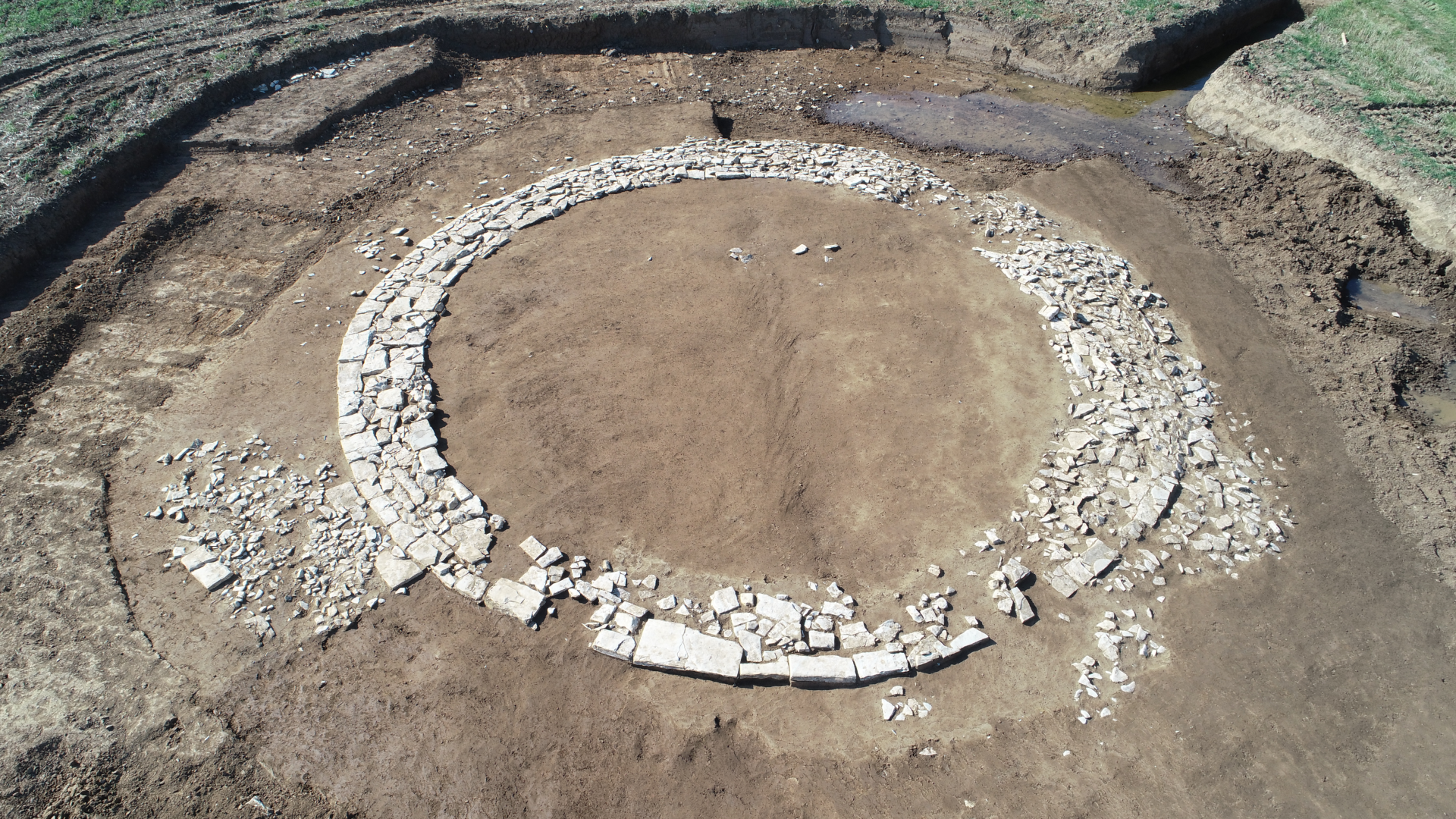
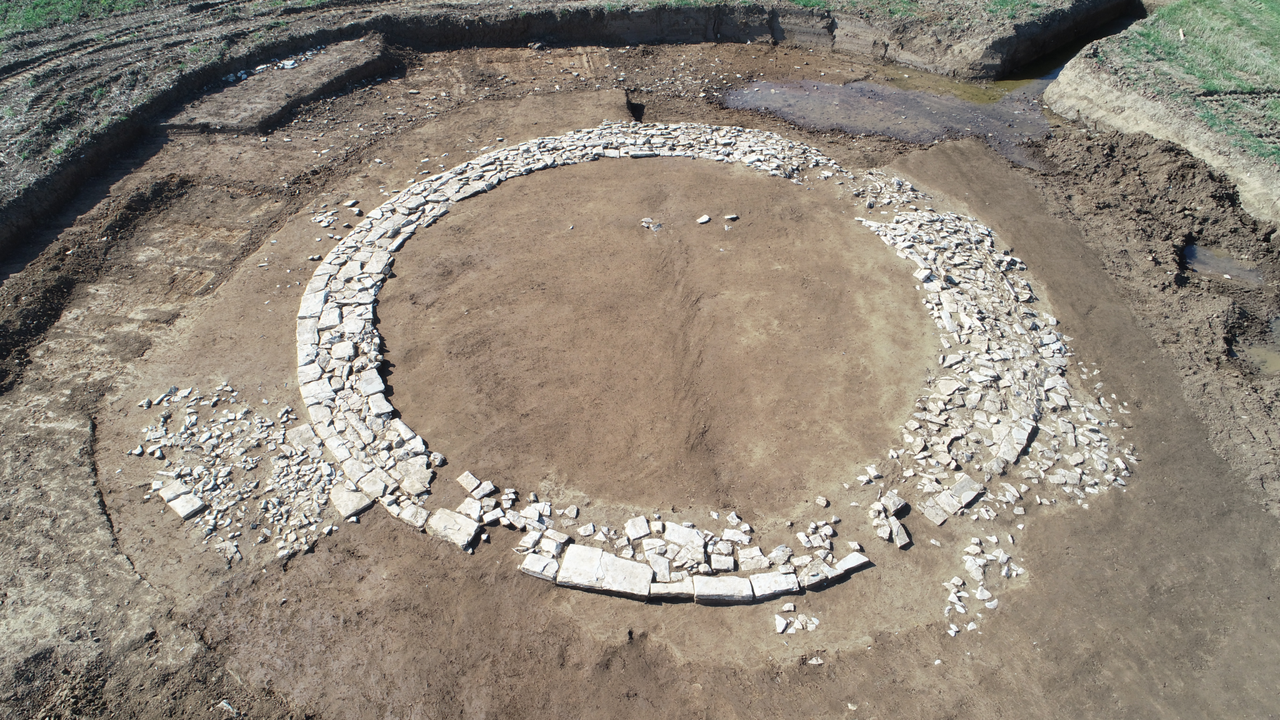
Archaeologists have discovered an unusual circular stone grave in southern Germany. Dating to the Roman Empire, the large tomb was completely empty — and it may have been erected as a monument to honor someone buried elsewhere.

“The tomb was both a place of remembrance and an expression of social status,” Mathias Pfeil, curator general of the Bavarian State Office for Monument Preservation, said in a translated statement. “We hadn’t expected to discover a funerary monument of this age and size here.”

The tomb was discovered during construction work in the fall of 2024 in the village of Wolkertshofen, located in the southern German state of Bavaria. Archaeologists working alongside the builders noticed fragments of ceramics during the excavation, before reaching a massive stone foundation with a diameter of 39 feet (12 meters). Abutting the circle was a stone square that probably once held a statue or grave marker.


You may like

According to the Bavarian State Office for Monument Preservation, the circular tomb was built next to a Roman road. The shape and arrangement of the carved stones also suggest that the burial mound dates to Roman times, when the area was part of the province of Raetia.

But while similar Roman burial mounds have been found in Central Europe and Italy, this discovery is “highly unusual” and “extremely rare” for Germany, the Bavarian State Office for Monument Preservation noted in the statement. Burial mounds found in this area are typically from a much earlier date.

Additionally, the Wolkertshofen tomb is unusual because no bones or grave goods were found inside it. Coupled with the tomb’s proximity to a Roman road and a Roman country estate, this may mean that the burial mound was a cenotaph — a symbolic tomb that commemorated someone who was buried elsewhere.

“The tumulus [burial mound] was located directly on an important Roman traffic route, and the family thus created a widely visible memorial for the deceased,” Pfeil said.

Further research into the tomb and the surroundings will help experts better understand Roman life in Bavaria, according to the statement.

Source link

Share. Facebook Twitter Pinterest LinkedIn Tumblr Email
Previous ArticleAncient treasure of gold coins, jewelry unearthed by archaeologists near Sea of Galilee
Next Article Police make arrests in Louvre crown jewels heist
Editor
  • Website

Related Posts

Lifestyle

New robotic heart mimics common, mysterious condition to help researchers study it

July 11, 2026
Lifestyle

Canon EOS R6 III review: A wildlife wonder

July 10, 2026
Lifestyle

Medieval babies and adults buried together in Sweden were not related, archaeologists discover — raising big questions about early Christian burial practices

July 10, 2026
Add A Comment

Comments are closed.

Categories
  • Entertainment
  • Lifestyle
  • News
  • Sports
  • Tech
  • Travel
Recent Posts
  • New robotic heart mimics common, mysterious condition to help researchers study it
  • Canon EOS R6 III review: A wildlife wonder
  • Medieval babies and adults buried together in Sweden were not related, archaeologists discover — raising big questions about early Christian burial practices
  • NASA is creating a fifth state of matter on the ISS, thanks to an upgrade to a mini-fridge-sized quantum lab
  • New sodium metal battery design charges in just 4 minutes and retains its capacity for years
calendar
July 2026
M T W T F S S
 12345
6789101112
13141516171819
20212223242526
2728293031  
« Jun    
Recent Posts
  • New robotic heart mimics common, mysterious condition to help researchers study it
  • Canon EOS R6 III review: A wildlife wonder
  • Medieval babies and adults buried together in Sweden were not related, archaeologists discover — raising big questions about early Christian burial practices
About

Welcome to Baynard Media, your trusted source for a diverse range of news and insights. We are committed to delivering timely, reliable, and thought-provoking content that keeps you informed
and inspired

Categories
  • Entertainment
  • Lifestyle
  • News
  • Sports
  • Tech
  • Travel
Facebook X (Twitter) Pinterest WhatsApp
  • Contact Us
  • About Us
  • Privacy Policy
  • Disclaimer
  • UNSUBSCRIBE
© 2026 copyrights reserved

Type above and press Enter to search. Press Esc to cancel.