Close Menu
  • Home
  • UNSUBSCRIBE
  • News
  • Lifestyle
  • Tech
  • Entertainment
  • Sports
  • Travel
Facebook X (Twitter) WhatsApp
Trending
  • Laura Geller Deal Baked Foundation & Blush Makeup Set
  • Iran is ‘confident’ it can counter a potential U.S. ground invasion, foreign minister says
  • The sword in the sea: How one lucky graduate student found his second Crusader sword while taking a swim off Israel’s coast
  • Apple MacBook Pro preorder deal: Get a free $100 gift card at Best Buy
  • Was Hurzeler's Arsenal criticism correct? Here are the stats that tell you…
  • Why Modern Family’s Jesse Tyler Ferguson Turned Down Spinoff
  • Microsoft unveils AI content verification system to combat deepfakes
  • Best iPad deal: Save $100 on iPad Pro 13-inch M5 at Amazon
Facebook X (Twitter) WhatsApp
Baynard Media
  • Home
  • UNSUBSCRIBE
  • News
  • Lifestyle
  • Tech
  • Entertainment
  • Sports
  • Travel
Baynard Media
Home»Lifestyle»Unknown strain of bacteria found on China’s Tiangong Space Station — and it’s developing resistance to space
Lifestyle

Unknown strain of bacteria found on China’s Tiangong Space Station — and it’s developing resistance to space

EditorBy EditorMay 20, 2025No Comments2 Mins Read
Share Facebook Twitter Pinterest LinkedIn Tumblr Reddit Telegram Email
Share
Facebook Twitter LinkedIn Pinterest Email

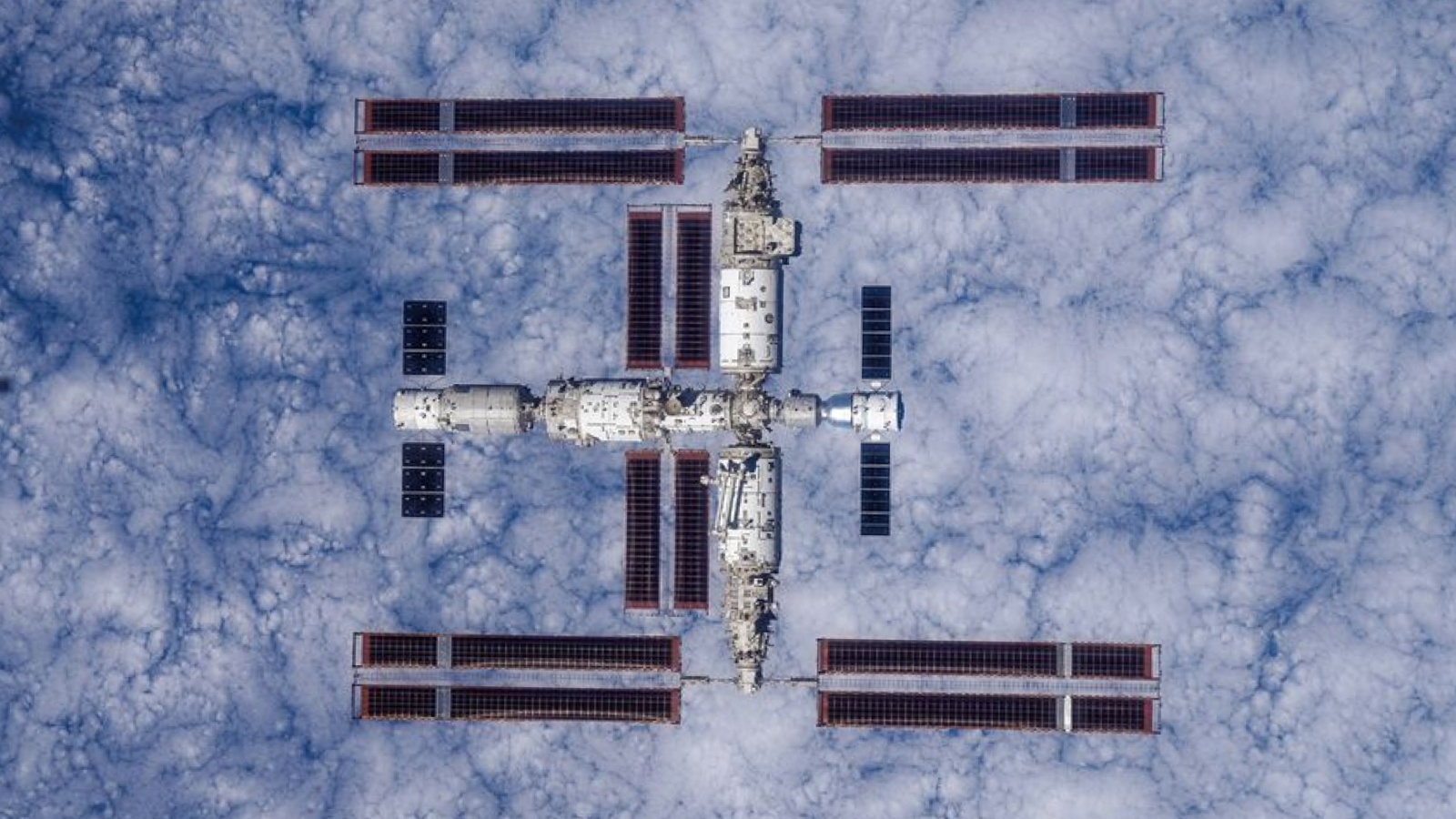
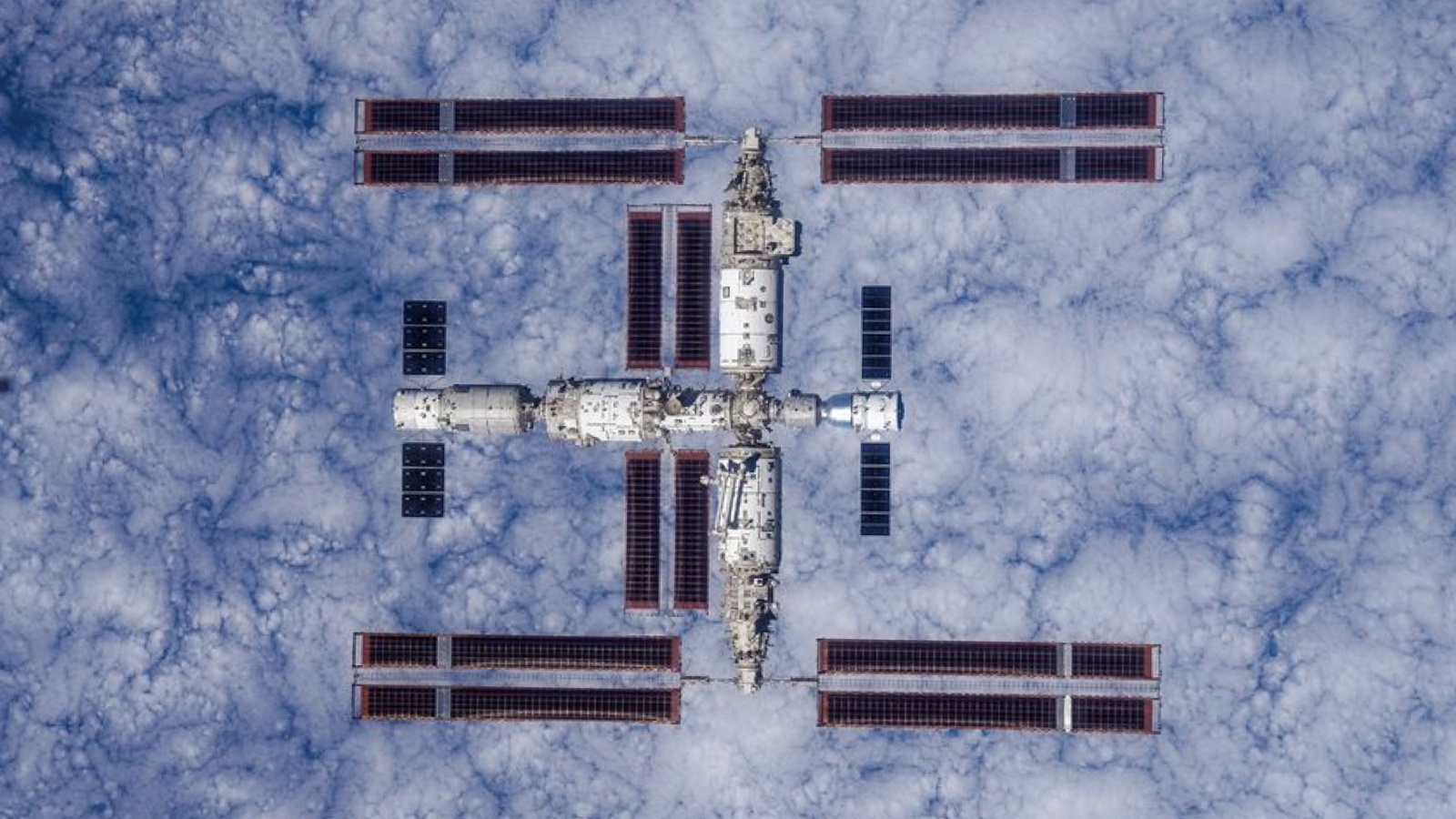
Scientists have discovered a new microbe never-before-seen on Earth inside China’s Tiangong space station.

The new strain of bacteria, named Niallia tiangongensis after the space station, is a variant of a soil-dwelling terrestrial microbe that can cause sepsis, and was found inside one of the station’s cabins.

Now, a new analysis of the strain has revealed that the bacterium isn’t only one of a kind, but has also picked up some key adaptations that could be helpful in future space missions. The researchers published their findings March 3 in the journal International Journal of Systematic and Evolutionary Microbiology.


You may like

“Understanding the characteristics of microbes during long-term space missions is essential for safeguarding the health of astronauts and maintaining the functionality of spacecraft,” the researchers wrote in the study.

The new strain was found in samples collected in 2023 by the crew of the Shenzhou-15 mission, who swabbed the space station’s modules with sterile wipes before freezing them for transport.

Related: Purple bacteria could be key to finding extraterrestrial life on exoplanets

After being sent back to Earth, analysis revealed that the bacteria was closely related to Niallia circulans, a rod-shaped, spore-propagating bacteria that typically dwells in soil, sewage and food, and can cause sepsis in immunocompromised patients.

Get the world’s most fascinating discoveries delivered straight to your inbox.

However, the new strain had also picked up a few new adaptations to survive the harsh conditions of space. These include genes that code responses to oxidative stress, repair the bacteria from radiation damage, and enable it to form biofilms by breaking down gelatin to extract carbon and nitrogen.

It’s not yet clear if the new strain could cause harm to humans, but the researchers hope that by studying it further they could learn more about how it, and others, survive; as well as the best ways to prevent human astronauts from any risks associated with space-adapted bugs.

This isn’t the first microbe to have made the evolutionary leap to survive beyond our planet, either. In 2018, NASA scientists discovered four previously unknown strains of antibiotic-resistant bacteria hiding inside the International Space Station’s toilets, each with a suite of new adaptations to help them survive in outer space.

Source link

Share. Facebook Twitter Pinterest LinkedIn Tumblr Email
Previous ArticleHospital superbug can feed on medical plastic, first-of-its-kind study reveals
Next Article Venus may be geologically ‘alive’ after all, shocking analysis of 30-year-old NASA data reveals
Editor
  • Website

Related Posts

Lifestyle

The sword in the sea: How one lucky graduate student found his second Crusader sword while taking a swim off Israel’s coast

March 5, 2026
Lifestyle

9 ways people have modified their bodies since the dawn of time, from foot binding to castration

March 5, 2026
Lifestyle

Climate disasters caused societal upheaval 3,000 years ago in China, study of ‘oracle bones’ hints

March 5, 2026
Add A Comment

Comments are closed.

Categories
  • Entertainment
  • Lifestyle
  • News
  • Sports
  • Tech
  • Travel
Recent Posts
  • Laura Geller Deal Baked Foundation & Blush Makeup Set
  • Iran is ‘confident’ it can counter a potential U.S. ground invasion, foreign minister says
  • The sword in the sea: How one lucky graduate student found his second Crusader sword while taking a swim off Israel’s coast
  • Apple MacBook Pro preorder deal: Get a free $100 gift card at Best Buy
  • Was Hurzeler's Arsenal criticism correct? Here are the stats that tell you…
calendar
March 2026
M T W T F S S
 1
2345678
9101112131415
16171819202122
23242526272829
3031  
« Feb    
Recent Posts
  • Laura Geller Deal Baked Foundation & Blush Makeup Set
  • Iran is ‘confident’ it can counter a potential U.S. ground invasion, foreign minister says
  • The sword in the sea: How one lucky graduate student found his second Crusader sword while taking a swim off Israel’s coast
About

Welcome to Baynard Media, your trusted source for a diverse range of news and insights. We are committed to delivering timely, reliable, and thought-provoking content that keeps you informed
and inspired

Categories
  • Entertainment
  • Lifestyle
  • News
  • Sports
  • Tech
  • Travel
Facebook X (Twitter) Pinterest WhatsApp
  • Contact Us
  • About Us
  • Privacy Policy
  • Disclaimer
  • UNSUBSCRIBE
© 2026 copyrights reserved

Type above and press Enter to search. Press Esc to cancel.