Close Menu
  • Home
  • UNSUBSCRIBE
  • News
  • Lifestyle
  • Tech
  • Entertainment
  • Sports
  • Travel
Facebook X (Twitter) WhatsApp
Trending
  • Ancient process that created rare earth elements discovered — and it could help us locate desperately needed deposits
  • This humanoid robot does all your housework for you ‪—‬ and its makers say it’s ready for your home
  • ‘Nations need to prepare now’: Key Atlantic ocean current is much closer to collapse than scientists thought
  • Neanderthal toddlers grew faster than modern humans, probably because of the harsh environment they evolved in
  • NASA shuts off another Voyager 1 instrument as humanity’s most distant spacecraft prepares for risky ‘Big Bang’ maneuver to save power
  • Florida is facing its most intense drought in 15 years. Here’s how it got so bad and how long it will last.
  • New blood test aims to spot liver scarring when it’s still reversible and before it paves the way to cancer
  • ‘We’re the best servants anyone could dream of!’: AI superintelligence has no need to enslave humans because we’re already bowing to it
Facebook X (Twitter) WhatsApp
Baynard Media
  • Home
  • UNSUBSCRIBE
  • News
  • Lifestyle
  • Tech
  • Entertainment
  • Sports
  • Travel
Baynard Media
Home»Lifestyle»Catastrophic tipping point in Greenland reached as crystal blue lakes turn brown, belch out carbon dioxide
Lifestyle

Catastrophic tipping point in Greenland reached as crystal blue lakes turn brown, belch out carbon dioxide

EditorBy EditorJanuary 24, 2025No Comments3 Mins Read
Share Facebook Twitter Pinterest LinkedIn Tumblr Reddit Telegram Email
Share
Facebook Twitter LinkedIn Pinterest Email

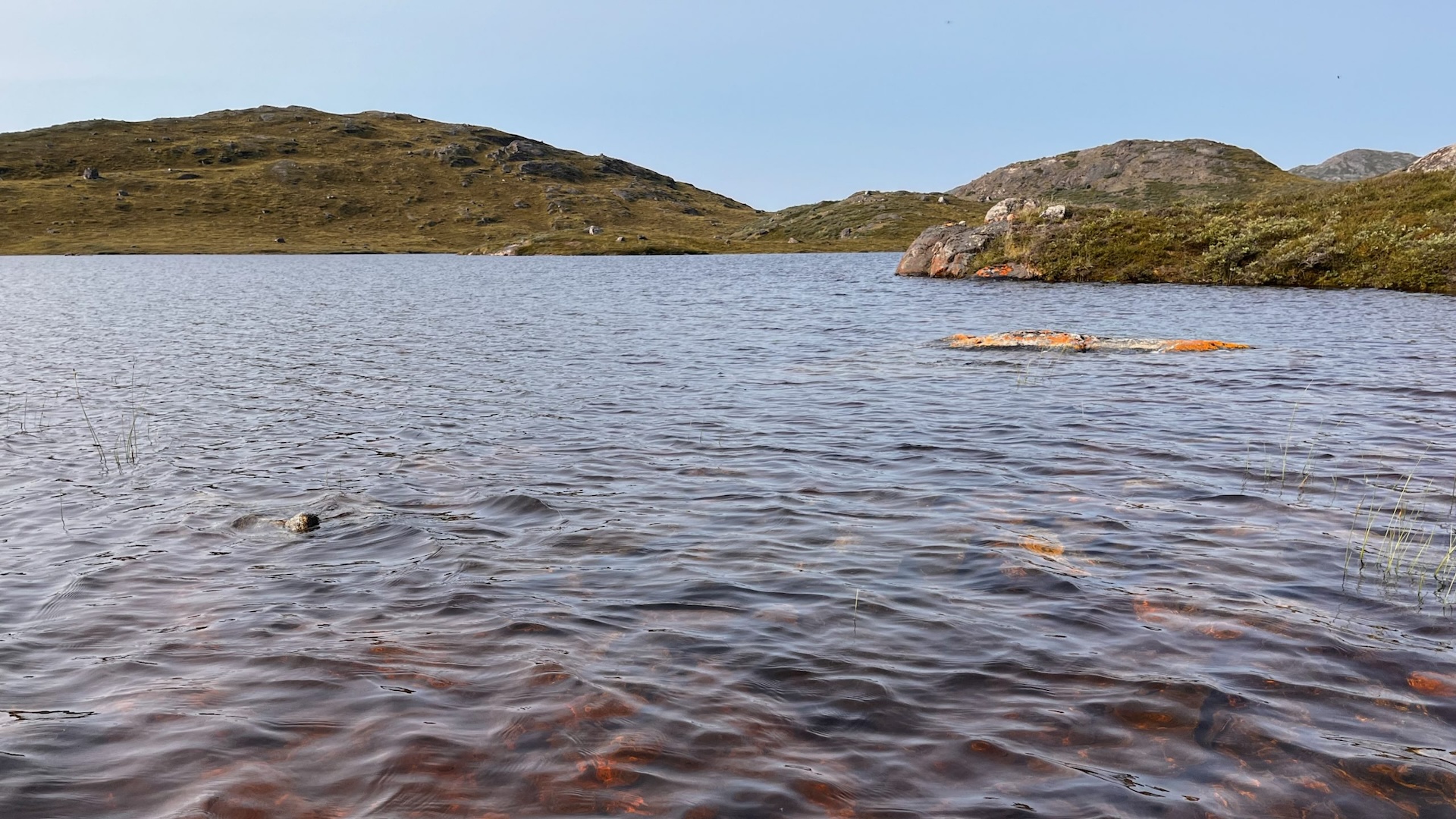
Thousands of Greenland’s crystal-clear blue lakes have turned a murky brown thanks to global warming — and the worst part is that they’ve started emitting carbon dioxide.

Record heat and rain in 2022 pushed the lakes of West Greenland past a tipping point, so rather than absorbing carbon dioxide (CO₂), they began to emit it into the atmosphere, according to a new study.

The changes began in fall, which is normally a snowy time for Greenland. However, heat waves turned snow into rain and thawed the island’s permafrost — frozen ground that stores carbon, iron and other elements. The rains then washed these elements into lakes, turning them brown.

Less sunlight was able to penetrate the lakes as they darkened, which had a ripple effect on the microscopic plankton living in the water. The number of plankton absorbing CO₂ through photosynthesis — the process of turning sunlight into energy — declined, while the amount of plankton breaking down and releasing carbon increased, according to a statement released by the University of Maine.

The lakes normally absorb CO₂ in the summer, but by the following year they had flipped to become carbon dioxide producers. These types of widespread changes would normally take centuries. Researchers have observed the browning of lakes across the Northern Hemisphere, including the U.S., but it typically takes multiple decades — much longer than the transformation of Greenland’s lakes.

“The magnitude of this and the rate of change were unprecedented,” study lead author Jasmine Saros, a professor of paleolimnology and lake ecology at the University of Maine, said in the statement.

The researchers published their findings Tuesday (Jan. 21) in the journal PNAS.

Get the world’s most fascinating discoveries delivered straight to your inbox.

Related: Watch Greenland lose 563 cubic miles of ice in under 30 seconds in disturbing new time-lapse video

Roots of historic heat wave

In the fall of 2022, an atmospheric circulation pattern —the large scale movement of air — and a hurricane connected a series of atmospheric rivers from the subtropical and mid-latitude Atlantic to Greenland, according to the Copernicus Climate Change Service, which is part of the European Union’s Earth Observation Programme.

Atmospheric rivers are long, narrow regions of the atmosphere that transport heat and water vapor. Climate models predict that atmospheric river activity is likely to generally become more frequent, intense, and longer-lasting around the world with global warming. In 2022, the rivers brought Greenland record heat that was more than 14 degrees Fahrenheit (8 degrees Celsius) warmer than the monthly average in some areas.

Researchers estimated that 7,500 lakes turned brown and began emitting carbon after the fall. But the emissions weren’t the only concern for scientists: these lakes also provide residents of Greenland with drinking water, which could be compromised by the changes.

“The influx of dissolved organic carbon and nutrients from the permafrost can also have negative impacts on water supplies, creating bacteria growth that not only affects the water’s taste and smell, but can also potentially cause health problems from increased exposure to metals,” Saros said in a separate statement released by Heriot-Watt University in the U.K.

Saros added that the dissolved materials could interact with drinking water treatment processes to produce byproducts called trihalomethanes, which are a group of chemicals that could have the potential to cause cancers.

The lakes remained brown through the summer of 2024, and the study authors said it was unclear if and when they will revert to blue.

Source link

Share. Facebook Twitter Pinterest LinkedIn Tumblr Email
Previous ArticleVanderpump Rules’ Scheana Shay Announces “Raw, Vulnerable” New Chapter
Next Article LinkedIn hit with lawsuit alleging private messages were used to train AI models
Editor
  • Website

Related Posts

Lifestyle

Ancient process that created rare earth elements discovered — and it could help us locate desperately needed deposits

April 22, 2026
Lifestyle

This humanoid robot does all your housework for you ‪—‬ and its makers say it’s ready for your home

April 22, 2026
Lifestyle

‘Nations need to prepare now’: Key Atlantic ocean current is much closer to collapse than scientists thought

April 22, 2026
Add A Comment

Comments are closed.

Categories
  • Entertainment
  • Lifestyle
  • News
  • Sports
  • Tech
  • Travel
Recent Posts
  • Ancient process that created rare earth elements discovered — and it could help us locate desperately needed deposits
  • This humanoid robot does all your housework for you ‪—‬ and its makers say it’s ready for your home
  • ‘Nations need to prepare now’: Key Atlantic ocean current is much closer to collapse than scientists thought
  • Neanderthal toddlers grew faster than modern humans, probably because of the harsh environment they evolved in
  • NASA shuts off another Voyager 1 instrument as humanity’s most distant spacecraft prepares for risky ‘Big Bang’ maneuver to save power
calendar
April 2026
M T W T F S S
 12345
6789101112
13141516171819
20212223242526
27282930  
« Mar    
Recent Posts
  • Ancient process that created rare earth elements discovered — and it could help us locate desperately needed deposits
  • This humanoid robot does all your housework for you ‪—‬ and its makers say it’s ready for your home
  • ‘Nations need to prepare now’: Key Atlantic ocean current is much closer to collapse than scientists thought
About

Welcome to Baynard Media, your trusted source for a diverse range of news and insights. We are committed to delivering timely, reliable, and thought-provoking content that keeps you informed
and inspired

Categories
  • Entertainment
  • Lifestyle
  • News
  • Sports
  • Tech
  • Travel
Facebook X (Twitter) Pinterest WhatsApp
  • Contact Us
  • About Us
  • Privacy Policy
  • Disclaimer
  • UNSUBSCRIBE
© 2026 copyrights reserved

Type above and press Enter to search. Press Esc to cancel.