Close Menu
  • Home
  • UNSUBSCRIBE
  • News
  • Lifestyle
  • Tech
  • Entertainment
  • Sports
  • Travel
Facebook X (Twitter) WhatsApp
Trending
  • New robotic heart mimics common, mysterious condition to help researchers study it
  • Canon EOS R6 III review: A wildlife wonder
  • Medieval babies and adults buried together in Sweden were not related, archaeologists discover — raising big questions about early Christian burial practices
  • NASA is creating a fifth state of matter on the ISS, thanks to an upgrade to a mini-fridge-sized quantum lab
  • New sodium metal battery design charges in just 4 minutes and retains its capacity for years
  • Quantum computing wielded to create extremely rare material critical to nuclear fusion
  • Scientists build tiny ‘diving suit’ for cockroaches, turning them into search-and-rescue cyborgs
  • Physicists develop the first working model of quantum mechanics using only ‘real’ numbers
Facebook X (Twitter) WhatsApp
Baynard Media
  • Home
  • UNSUBSCRIBE
  • News
  • Lifestyle
  • Tech
  • Entertainment
  • Sports
  • Travel
Baynard Media
Home»Lifestyle»Leaf sheep: The adorable solar-powered sea slug that looks like Shaun the Sheep
Lifestyle

Leaf sheep: The adorable solar-powered sea slug that looks like Shaun the Sheep

EditorBy EditorDecember 21, 2024No Comments2 Mins Read
Share Facebook Twitter Pinterest LinkedIn Tumblr Reddit Telegram Email
Share
Facebook Twitter LinkedIn Pinterest Email

Name: Leaf sheep, or leaf slug (Costasiella kuroshimae)

Where it lives: Shallow waters across Asia and the Coral Triangle

What it eats: Algae

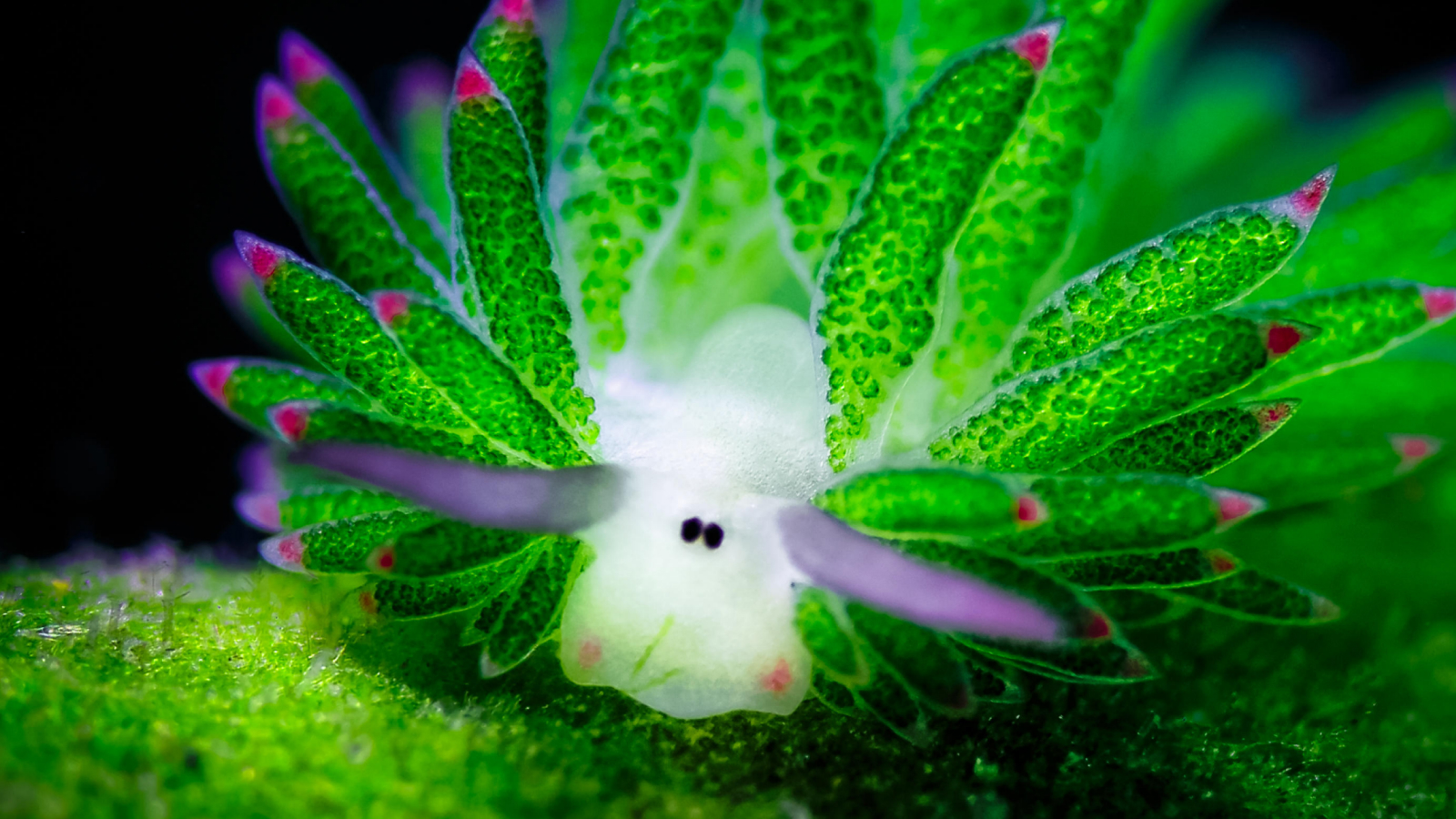
Why it‘s awesome: These tiny marine creatures are probably better known by their nickname, “Shaun the Sheep” sea slugs, because of their uncanny resemblance to the iconic TV character.

The adorable critters have white faces, small black eyes and two “ears.” These structures are special organs called rhinophores covered in tiny hairs that help the leaf sheep sense chemicals in the water and find food. Their tiny bodies are covered with green structures called cerata, which look like leaves and give them a larger surface area for gas exchange.

Growing to 0.3 inches (8 millimeters) long, leaf sheep were first discovered off Kuroshima Island, Japan, in 1993. They have also been recorded in the Philippines, Indonesia, Singapore and Thailand. Shaun the Sheep sea slugs are found in shallow waters near coral reefs. They live on algae, which also provides them with food.

Solar-powered sea slugs

When leaf sheep munch on algae, they absorb chloroplasts — special structures where photosynthesis takes place. These are filled with chlorophyll, and the green pigment gives the sea slugs’ bodies a leaf-like color. This not only helps them blend in with their surroundings to better hide from predators but also gives them a clever way of generating food.

Get the world’s most fascinating discoveries delivered straight to your inbox.

Related: Blue dragon: The deadly sea slug that steals venom from its prey

The sea slugs steal the chloroplasts through a process called kleptoplasty — from the Greek word for “thief” — and store them in their tissues for up to 10 days. The chloroplasts continue working inside the animals, enabling them to create energy through photosynthesis.

“Imagine you ate a salad and kept the chloroplast from it in your digestive system, so you just need to put yourself under the sun to make food,” Miguel Azcuna, assistant professor of marine natural products chemistry at Batangas State University in the Philippines, told the BBC. “It’s convenient for survival.” Azcuna is an expert in coral reef ecology.

Along with corals, spotted salamanders and giant clams, these solar-powered slugs are among the few animals that can photosynthesize.

Source link

Share. Facebook Twitter Pinterest LinkedIn Tumblr Email
Previous ArticleTest out the top AI tools
Next Article Walmart’s Top 100 Gifts: Save Up to 86% Off on Apple, Xbox &More
Editor
  • Website

Related Posts

Lifestyle

New robotic heart mimics common, mysterious condition to help researchers study it

July 11, 2026
Lifestyle

Canon EOS R6 III review: A wildlife wonder

July 10, 2026
Lifestyle

Medieval babies and adults buried together in Sweden were not related, archaeologists discover — raising big questions about early Christian burial practices

July 10, 2026
Add A Comment

Comments are closed.

Categories
  • Entertainment
  • Lifestyle
  • News
  • Sports
  • Tech
  • Travel
Recent Posts
  • New robotic heart mimics common, mysterious condition to help researchers study it
  • Canon EOS R6 III review: A wildlife wonder
  • Medieval babies and adults buried together in Sweden were not related, archaeologists discover — raising big questions about early Christian burial practices
  • NASA is creating a fifth state of matter on the ISS, thanks to an upgrade to a mini-fridge-sized quantum lab
  • New sodium metal battery design charges in just 4 minutes and retains its capacity for years
calendar
July 2026
M T W T F S S
 12345
6789101112
13141516171819
20212223242526
2728293031  
« Jun    
Recent Posts
  • New robotic heart mimics common, mysterious condition to help researchers study it
  • Canon EOS R6 III review: A wildlife wonder
  • Medieval babies and adults buried together in Sweden were not related, archaeologists discover — raising big questions about early Christian burial practices
About

Welcome to Baynard Media, your trusted source for a diverse range of news and insights. We are committed to delivering timely, reliable, and thought-provoking content that keeps you informed
and inspired

Categories
  • Entertainment
  • Lifestyle
  • News
  • Sports
  • Tech
  • Travel
Facebook X (Twitter) Pinterest WhatsApp
  • Contact Us
  • About Us
  • Privacy Policy
  • Disclaimer
  • UNSUBSCRIBE
© 2026 copyrights reserved

Type above and press Enter to search. Press Esc to cancel.