The fragile and battered remains of an infant who lived about 6,000 years in Mesopotamia may be the oldest documented case of child abuse from the Middle East and one of the oldest known cases of its kind in the world, a new study finds.
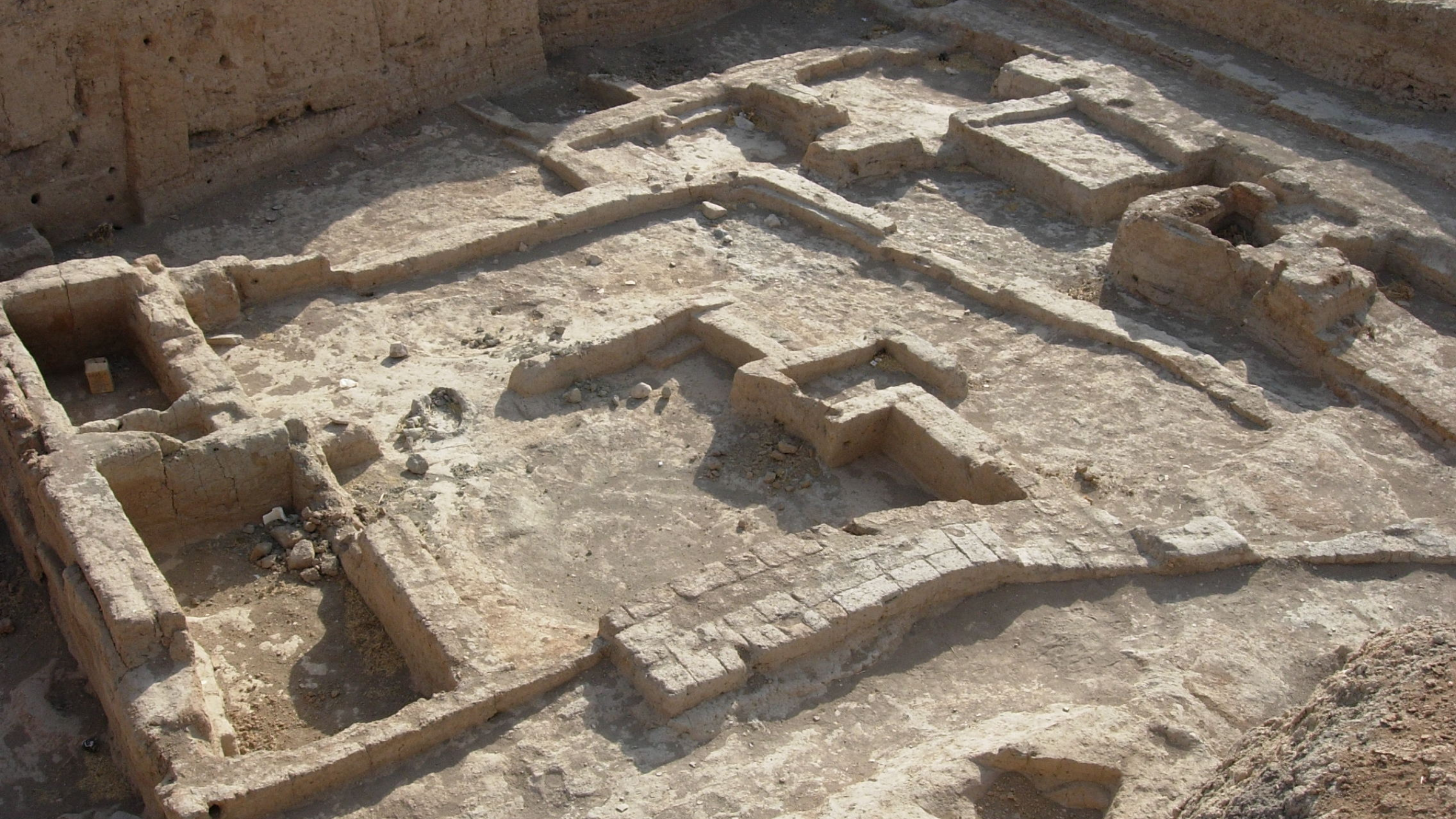
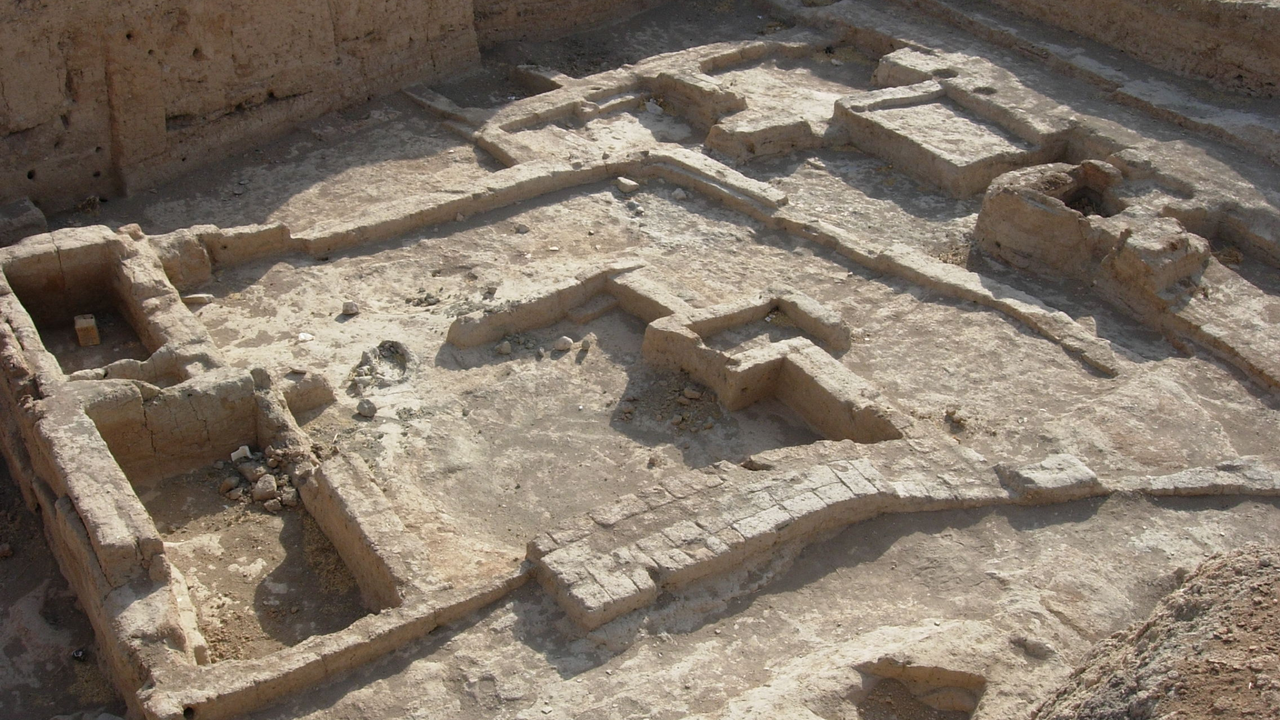
Researchers unearthed the infant’s remains in Syria, but at the time the infant died, sometime between 4200 and 3900 B.C., it was buried in Tell Brak, one of the world’s earliest cities. It’s possible that the difficulties associated with early urbanization played a role in the child’s abuse, the researchers noted.
The team determined that, based on the infant’s tooth development, the child was 6 to 9 months old at death. An analysis of the remains, which were interred in a children’s burial ground within a Late Copper Age workshop district, revealed that the infant had four fractured ribs near the breastbone. The right thigh bone had abnormal growth, while both sides of the skull bore active, porous lesions. These injuries point to the bones being subject to intense and repetitive external forces, and the nature of the lesions don’t fit easily with an accidental fall, the researchers said.
“Ribs shouldn’t break” in such a small child, study co-author Aleksandra Grzegorska, a bioarchaeologist at the University of Warsaw, told Live Science. Although rib fractures are relatively common in adults, they suggest child abuse in young infants, she said.
In the study, published May 21 in the International Journal of Osteoarchaeology, Grzegorska and her colleagues systematically ruled out other explanations for the injuries, including rickets, scurvy, birth trauma and violent coughing from illnesses such as tuberculosis. Vitamin deficiencies were unlikely, the researchers noted, given that ancient Mesopotamia had ample sunlight and fresh produce due to the fertile land between the two rivers. Birth-related fractures typically heal within weeks in infants, and bone density and growth measurements for the baby matched those of its peers from that time, indicating that the child didn’t have an underlying skeletal condition.
To gauge how unusual the injuries were, the team compared the infant to other children excavated from the same burial area. None of the other youngsters with substantial rib preservation showed similar fractures, making the infant’s injuries an outlier in the local population.
It appears that the infant likely experienced “caregiver-induced violence,” Grzegorska said. This term is used because the evidence can’t identify who caused the harm or confirm intent, Grzegorska said. “We don’t want to point fingers at any specific individual,” she said, noting that in many ancient cultures, multiple family members, not just parents, helped raise children.
Other clues that might shed light on the infant’s injuries are missing from this case, she added. Unlike modern clinicians, bioarchaeologists can’t interview a living patient or bystander, or examine soft tissue that might reveal more about the abuse. The partially healed state of the fractures suggest the infant survived for some time after the injuries were inflicted, Grzegorska found — an indication that the trauma was not immediately fatal.
Around the time the infant died, Tell Brak was transforming into a city, so the authors suggested that the stresses of early urbanization and possibly less support from extended kin could have contributed to the violence. Centuries after the infant died, upheavals related to city building appear to have led to mass deaths that were likely caused by violent conflict, Grzegorska noted.
Documented cases of child abuse remain exceptionally rare in the archaeological record, with only a handful previously identified in places such as Egypt, France and Lithuania.
Grzegorska, A., Jakob, T., & Sołtysiak, A. (2026). A possible case of child abuse at the early urban centre of Tell Brak, NE Syria. International Journal of Osteoarchaeology, 36(3), 768–774. https://doi.org/10.1002/oa.70123