
NEWYou can now listen to Fox News articles!
U.S. forces hammered Iran’s anti-ship missile sites near the Strait of Hormuz with 5,000-pound bunker buster bombs on Tuesday, U.S. Central Command (CENTCOM) said.
The strikes near the Strait of Hormuz, the world’s most important oil choke point, come as Iran’s stranglehold over the vital waterway has grown concerns over the regime’s threats to oil tankers.
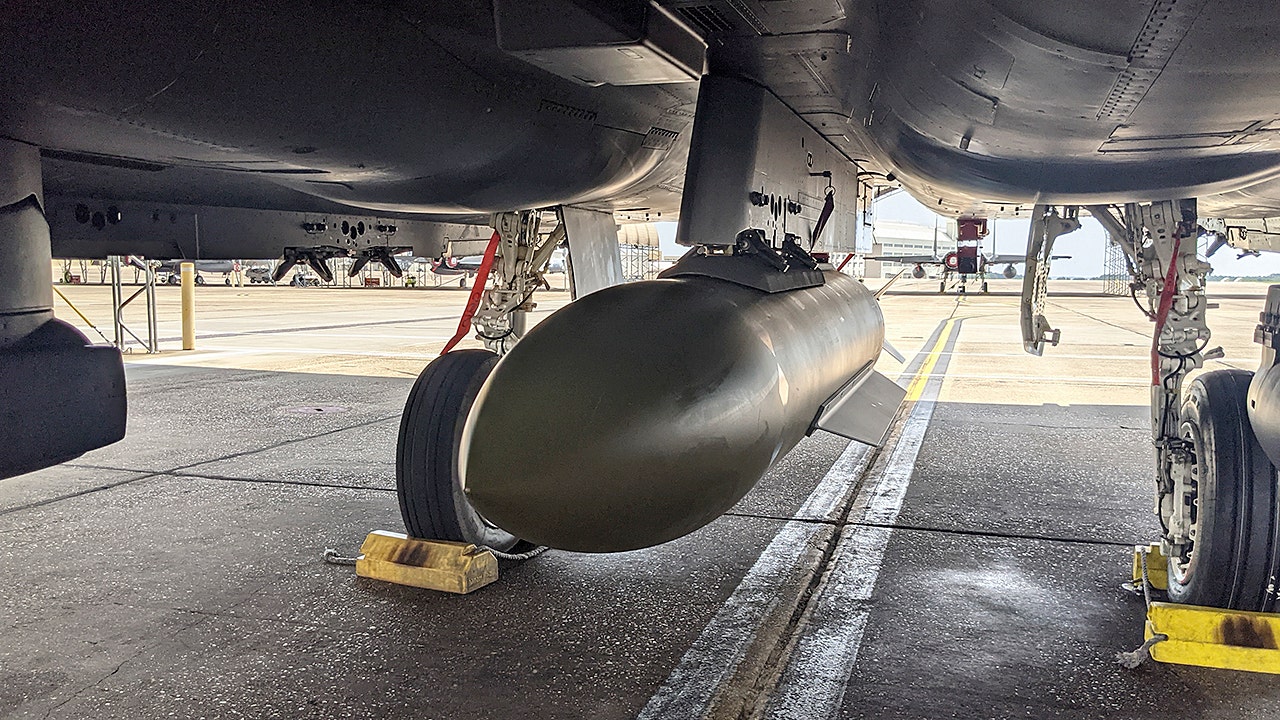
“Hours ago, U.S. forces successfully employed multiple 5,000-pound deep penetrator munitions on hardened Iranian missile sites along Iran’s coastline near the Strait of Hormuz,” CENTCOM posted Tuesday evening on X.
Deep GBU- 72 penetrator weapons, often referred to as bunker busters, are designed to cut through hardened or underground targets before detonating.
TRUMP SAYS MOST NATO ALLIES ‘DON’T WANT TO GET INVOLVED’ IN IRAN OPERATION, BUT US ‘NEVER’ NEEDED THEIR HELP
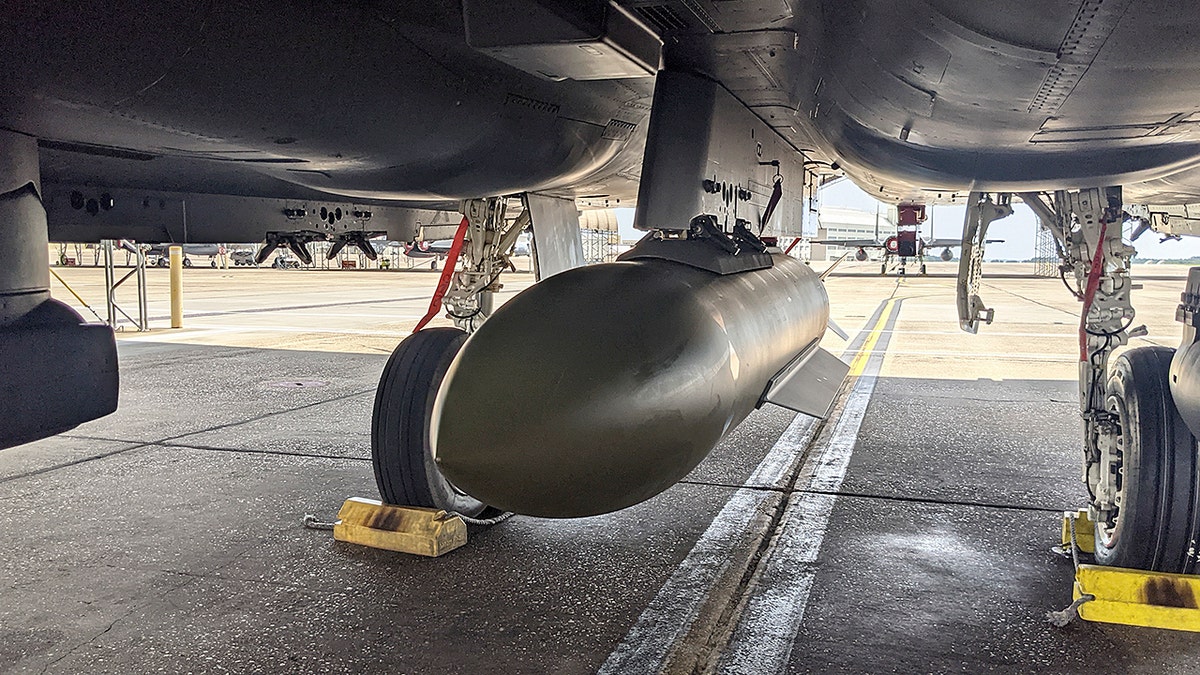
Eglin test squadron releases GBU-72 for the first time (Samuel King Jr. via DVIDS)
“The Iranian anti-ship cruise missiles in these sites posed a risk to international shipping in the strait,” the command said.
Most shipping traffic through the Strait of Hormuz, a waterway for global oil and gas transport that supplies roughly one-fifth of the world’s crude oil, has been halted since early March, after the war started. About 20 vessels have been attacked in the area.
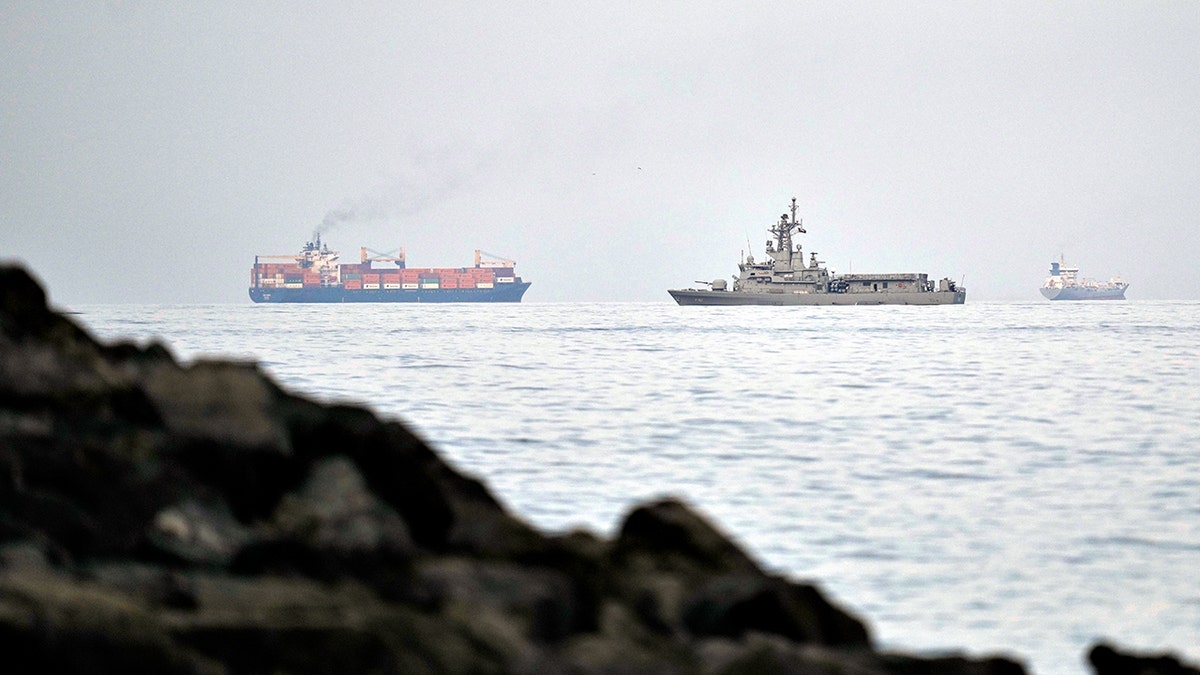
A UAE navy ship sails next to a cargo ship in the Strait of Hormuz as seen from Khor Fakkan, United Arab Emirates, Wednesday, March 11, 2026. (AP Photo/Altaf Qadri)
Oil prices have jumped more than 40% to above $100 per barrel since the Iran war began, and Iran has threatened it won’t allow “even a single liter of oil” destined for the U.S., Israel and their allies to pass through.
TRUMP WARNS NATO OF ‘VERY BAD’ FUTURE IF ALLIES DON’T HELP SECURE STRAIT OF HORMUZ
At least 89 ships crossed the Strait of Hormuz between March 1 and 15 — including 16 oil tankers, The Associated Press reported, citing Lloyd’s List Intelligence. The number of vessel passages per day was down from roughly 100 to 135 before the war, it said, with more than one-fifth of the 89 vessels believed to be Iran-affiliated and others being Chinese- and Greece-affiliated ships.
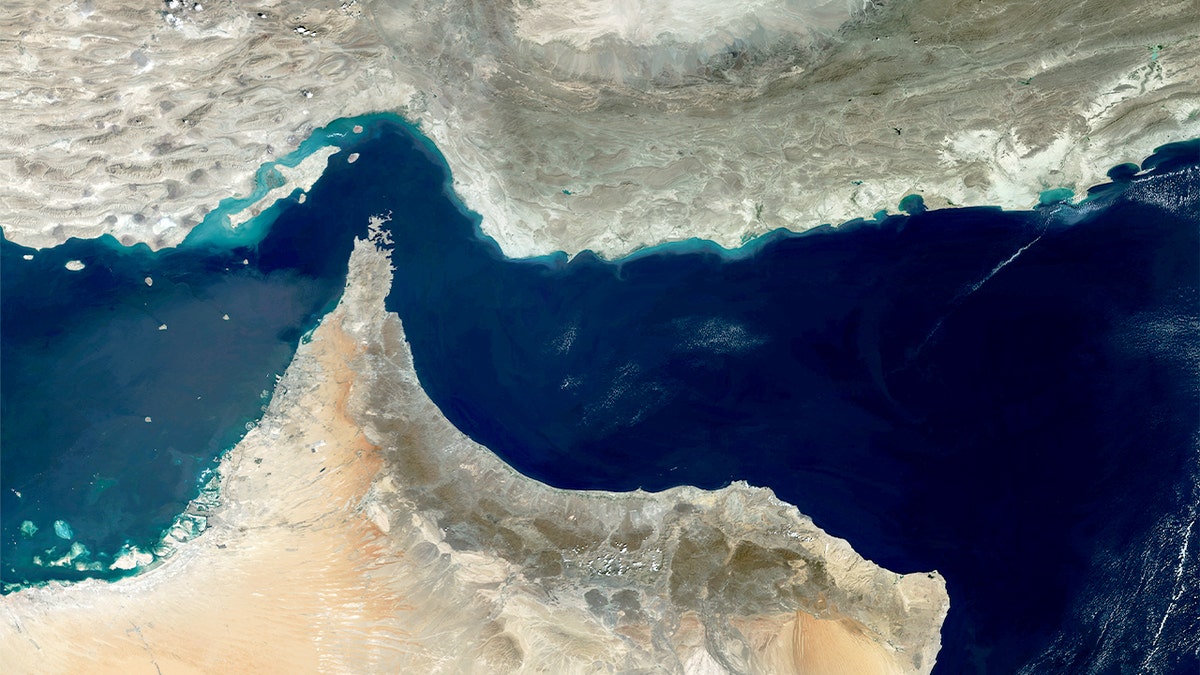
A satellite view shows the Strait of Hormuz, a key global energy chokepoint connecting the Persian Gulf to the Gulf of Oman, on Oct. 2, 2024. (Gallo Images/Orbital Horizon/Copernicus Sentinel Data via Getty Images)
As crude prices spiked above $100 a barrel, President Donald Trump pressured allies and trade partners to send warships and reopen the strait, hoping to bring oil prices lower. No allies, however, have yet to commit.
“I think NATO’s making a very foolish mistake,” Trump said in the Oval Office on Tuesday when a reporter asked about getting America’s allies to assist the U.S. in escorting oil tankers through the Strait of Hormuz. “And I’ve long said that, you know, I wonder whether or not NATO would ever be there for us.”
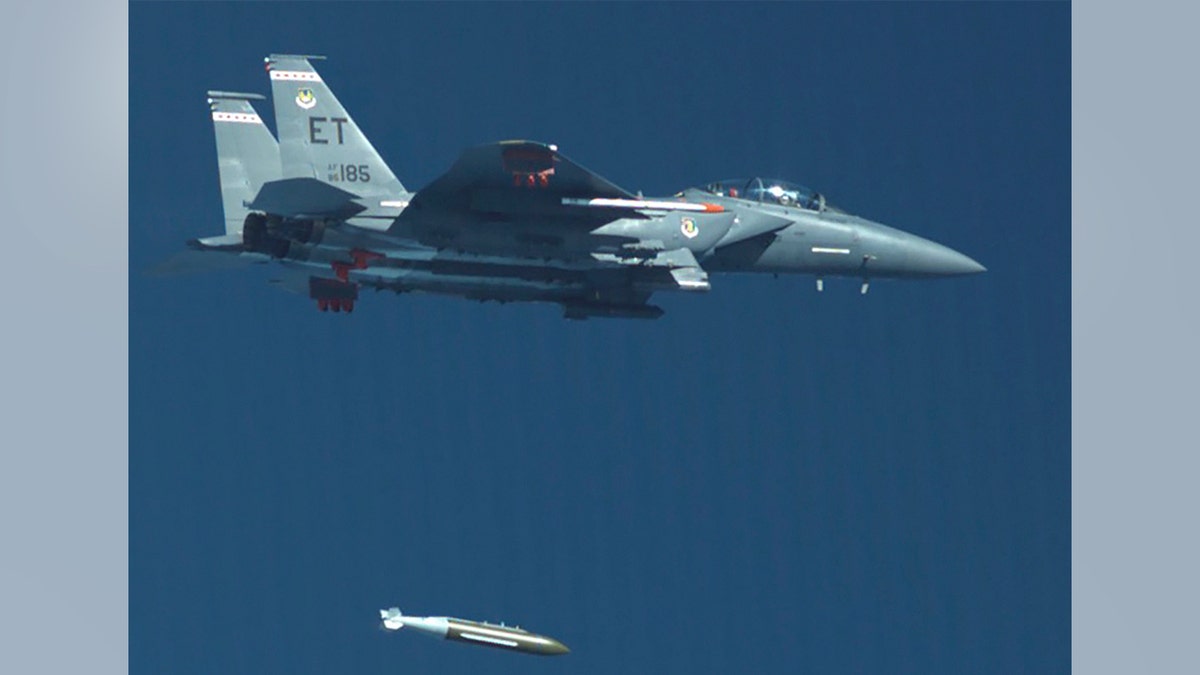
Eglin test squadron releases GBU-72 for the first time. (Photo by Samuel King Jr. via DVIDS)
Trump added: “So this was a great test because we don’t need them, but they should have been there.”
CLICK HERE TO DOWNLOAD THE FOX NEWS APP
The U.S. on Friday bombed military sites on Kharg Island off the Iranian coast, which is key for Iran’s oil network and exports, but Trump said he had left its oil infrastructure alone for now.
Fox News Digital’s Jasmine Baehr and The Associated Press contributed to this report.
