Close Menu
  • Home
  • UNSUBSCRIBE
  • News
  • Lifestyle
  • Tech
  • Entertainment
  • Sports
  • Travel
Facebook X (Twitter) WhatsApp
Trending
  • George Kittle’s wife shares live reaction to Achilles injury
  • ‘The scientific cost would be severe’: A Trump Greenland takeover would put climate research at risk
  • Headlines Across OC as Angel Stadium Sale Debate Intensifies
  • Anti-Islam activists clash with pro-Muslim counter-protesters in Dearborn, Michigan
  • Best monitor deal: Get the 45-inch LG Ultragear gaming monitor for its lowest price yet
  • Slovakia U21 0 – 4 England U21
  • 13 Top Sleep Products That Transform Your Bedtime Routine for Better Rest
  • Firefighters rescue puppies from burning house
Facebook X (Twitter) WhatsApp
Baynard Media
  • Home
  • UNSUBSCRIBE
  • News
  • Lifestyle
  • Tech
  • Entertainment
  • Sports
  • Travel
Baynard Media
Home»Lifestyle»Turuchan pika: The adorable ball of fluff that just loves to play
Lifestyle

Turuchan pika: The adorable ball of fluff that just loves to play

EditorBy EditorDecember 7, 2024No Comments3 Mins Read
Share Facebook Twitter Pinterest LinkedIn Tumblr Reddit Telegram Email
Share
Facebook Twitter LinkedIn Pinterest Email

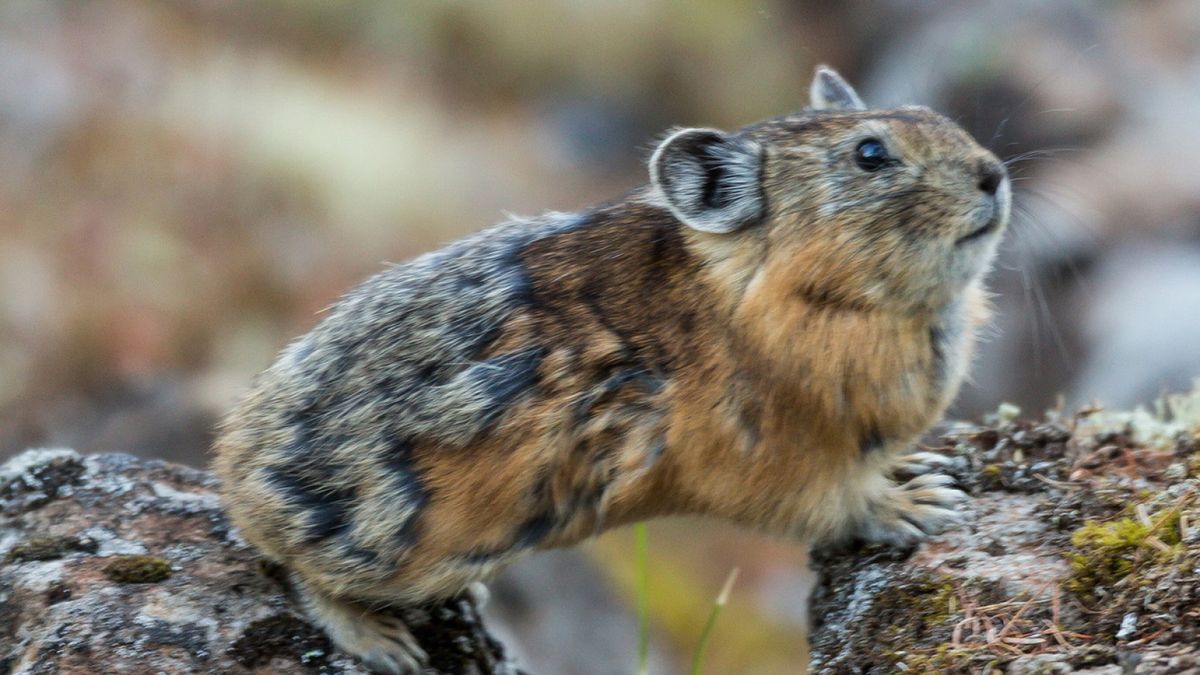
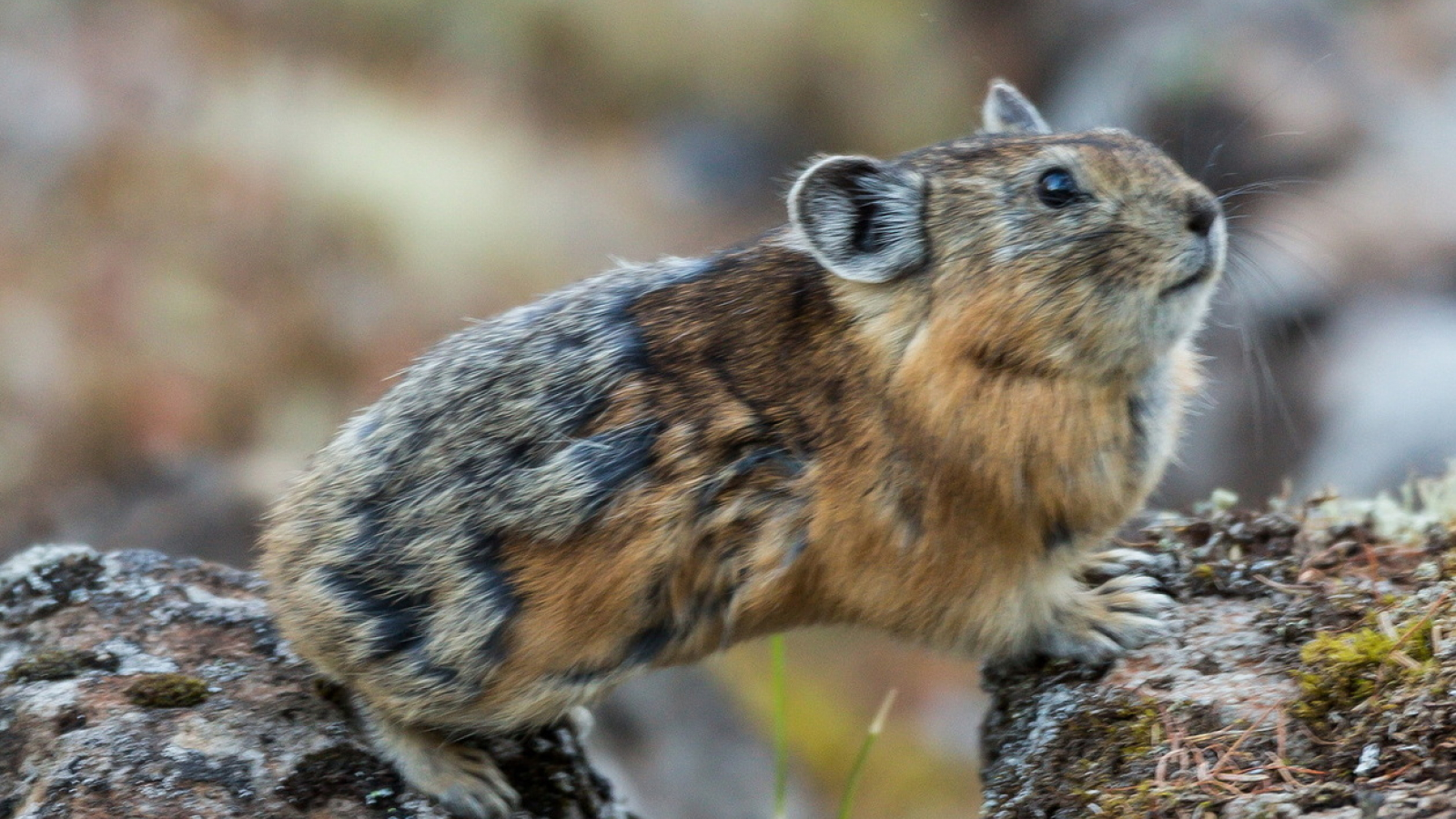
Name: Turuchan pika (Ochotona turuchanensis)

Where it lives: Mountains of central Siberia

What it eats: Plants and vegetation, including nettles

Why it’s awesome: Central Siberia may be a harsh and challenging environment, but that doesn’t stop the Turuchan pika from having fun. These small, fluffy mammals are known for their love of all types of play — from swinging from branches to chasing each other.

Turuchan pikas are rock-dwelling creatures that live in areas of the Central Siberian Plateau, a mountainous region in central Russia. Because they live in such a specific, isolated region, not much is known about them — but they are thought to be a subspecies of the northern pika (Ochotona hyperborea) found across Northern Asia. They grow up to 7.8 inches (20 centimeters) long and are covered in dense, dark fur, which helps them survive in cold habitats and provides camouflage against predators in the rocky terrain. They have strong hind legs, making them well-adapted for climbing, jumping and, importantly, playing.

Between 2020 and 2021, Russian researchers studied a local population of Turuchan pikas on the Primorsky Mountain Ridge in the Irkutsk region to find out how and why they play. They observed the animals jumping up and grabbing branches with their teeth, as well as swinging from bushes and shrubs and rolling from side to side on their backs.

Related: Cats are better at word association than human babies are, study finds

Get the world’s most fascinating discoveries delivered straight to your inbox.

In one moment documented by the biologists, an adult female and an adult male took turns hiding behind rocks and then jumping out at one another. Others scampered after each other in a game of chase.

The pikas also engaged in an activity researchers nicknamed “jerk-uplifting.” They suddenly jumped onto their hind legs, threw their heads back and stretched their front legs forward, often with leaves or lichen in their mouths. It’s not known exactly why they did this, but they seemed to be playing with their food before eating it.

Intriguingly, scientists spotted both young and adult Turuchan pikas playing — suggesting it’s an activity not just enjoyed by juveniles.

Although wild animals sometimes appear to play while engaging in survival behaviors — like finding food, mating or keeping a lookout for predators — the pikas’ games seemed to be purely social. In other words, they played just for fun.

Researchers say this is the first time that any animal from the Lagomorpha order (which includes rabbits and hares) has been observed engaging in all three types of play behavior (locomotor, object and social) in the wild. Locomotor play is when individuals play actively in their environment, object play is when they interact with items like twigs or rocks, and social play is where they play with each other. “The discovered phenomenon undoubtedly requires further research,” researchers wrote in the Zoological Journal.

Source link

Share. Facebook Twitter Pinterest LinkedIn Tumblr Email
Previous ArticleFox News AI Newsletter: ‘Trump will be very good at’ AI infrastructure
Next Article Banana Republic Outlet Has 50% off Everything & New Styles at $15
Editor
  • Website

Related Posts

Lifestyle

‘The scientific cost would be severe’: A Trump Greenland takeover would put climate research at risk

January 17, 2026
Lifestyle

New ‘Transformer’ humanoid robot can launch a shapeshifting drone off its back — watch it in action

November 19, 2025
Lifestyle

Medieval spear pulled from Polish lake may have belonged to prince or nobleman

November 19, 2025
Add A Comment

Comments are closed.

Categories
  • Entertainment
  • Lifestyle
  • News
  • Sports
  • Tech
  • Travel
Recent Posts
  • George Kittle’s wife shares live reaction to Achilles injury
  • ‘The scientific cost would be severe’: A Trump Greenland takeover would put climate research at risk
  • Headlines Across OC as Angel Stadium Sale Debate Intensifies
  • Anti-Islam activists clash with pro-Muslim counter-protesters in Dearborn, Michigan
  • Best monitor deal: Get the 45-inch LG Ultragear gaming monitor for its lowest price yet
calendar
February 2026
M T W T F S S
 1
2345678
9101112131415
16171819202122
232425262728  
« Jan    
Recent Posts
  • George Kittle’s wife shares live reaction to Achilles injury
  • ‘The scientific cost would be severe’: A Trump Greenland takeover would put climate research at risk
  • Headlines Across OC as Angel Stadium Sale Debate Intensifies
About

Welcome to Baynard Media, your trusted source for a diverse range of news and insights. We are committed to delivering timely, reliable, and thought-provoking content that keeps you informed
and inspired

Categories
  • Entertainment
  • Lifestyle
  • News
  • Sports
  • Tech
  • Travel
Facebook X (Twitter) Pinterest WhatsApp
  • Contact Us
  • About Us
  • Privacy Policy
  • Disclaimer
  • UNSUBSCRIBE
© 2026 copyrights reserved

Type above and press Enter to search. Press Esc to cancel.