Close Menu
  • Home
  • UNSUBSCRIBE
  • News
  • Lifestyle
  • Tech
  • Entertainment
  • Sports
  • Travel
Facebook X (Twitter) WhatsApp
Trending
  • The 11-inch iPad Air has hit a record-low price on Amazon — save $150 right now
  • Lord Allen: British Horseracing Authority chair resigns after six months in role | Racing News
  • Spring Romance Book Recommendations 2026
  • OC Budget Survey, I Give it One Star
  • 3 rivers merge into striking half-and-half waterway in Guyana — Earth from space
  • Best TV deal: Save $40 on Amazon Fire TV 2-Series
  • T20 World Cup: England captain Harry Brook on India semi-final, Jos Buttler, Will Jacks and calmness under pressure | Cricket News
  • Jessica Biel, Justin Timberlake Family Photo Album
Facebook X (Twitter) WhatsApp
Baynard Media
  • Home
  • UNSUBSCRIBE
  • News
  • Lifestyle
  • Tech
  • Entertainment
  • Sports
  • Travel
Baynard Media
Home»Lifestyle»Soviet spacecraft Kosmos 482 crashes back to Earth, disappearing into Indian Ocean after 53 years in orbit
Lifestyle

Soviet spacecraft Kosmos 482 crashes back to Earth, disappearing into Indian Ocean after 53 years in orbit

EditorBy EditorMay 10, 2025No Comments3 Mins Read
Share Facebook Twitter Pinterest LinkedIn Tumblr Reddit Telegram Email
Share
Facebook Twitter LinkedIn Pinterest Email

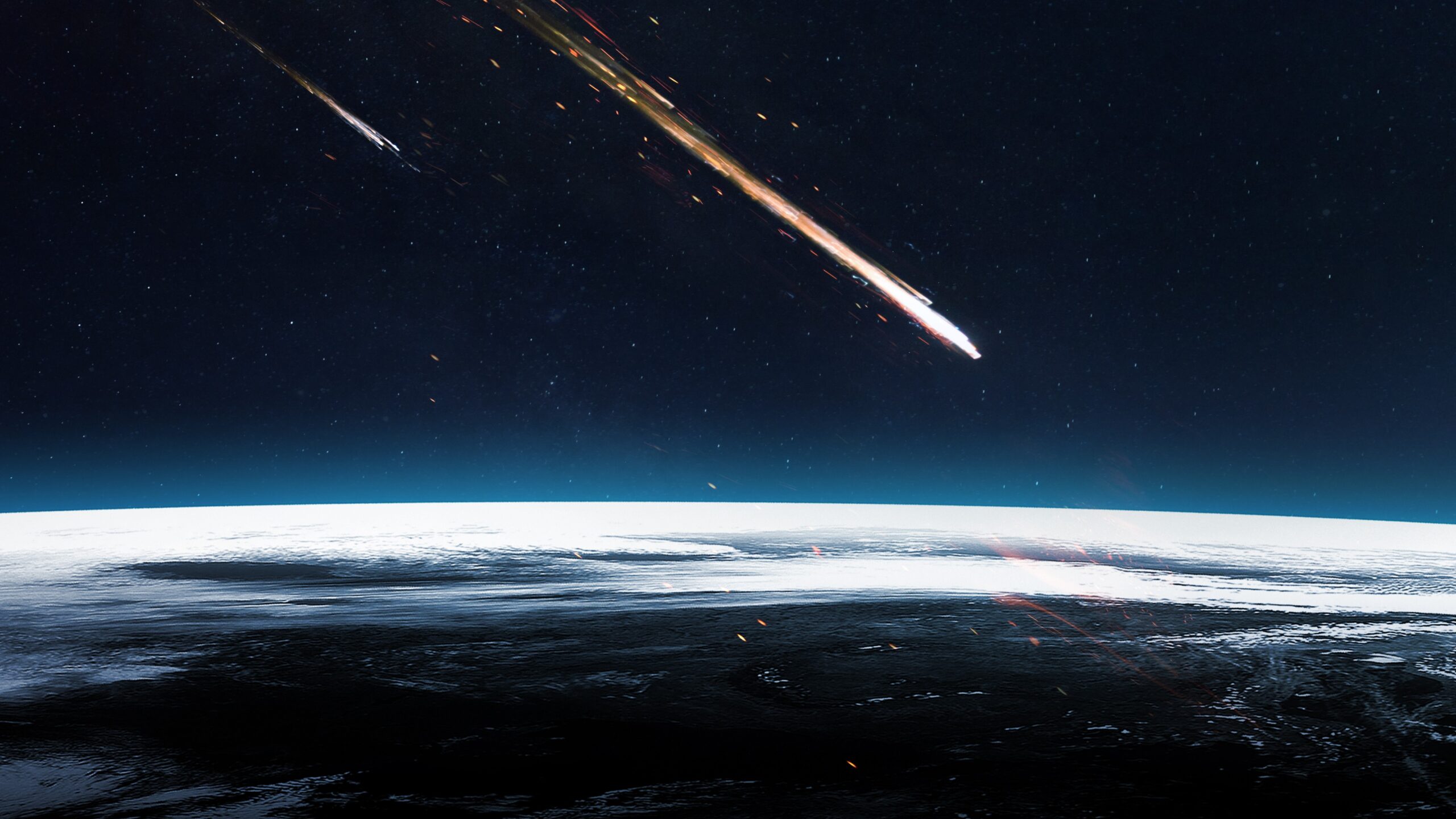
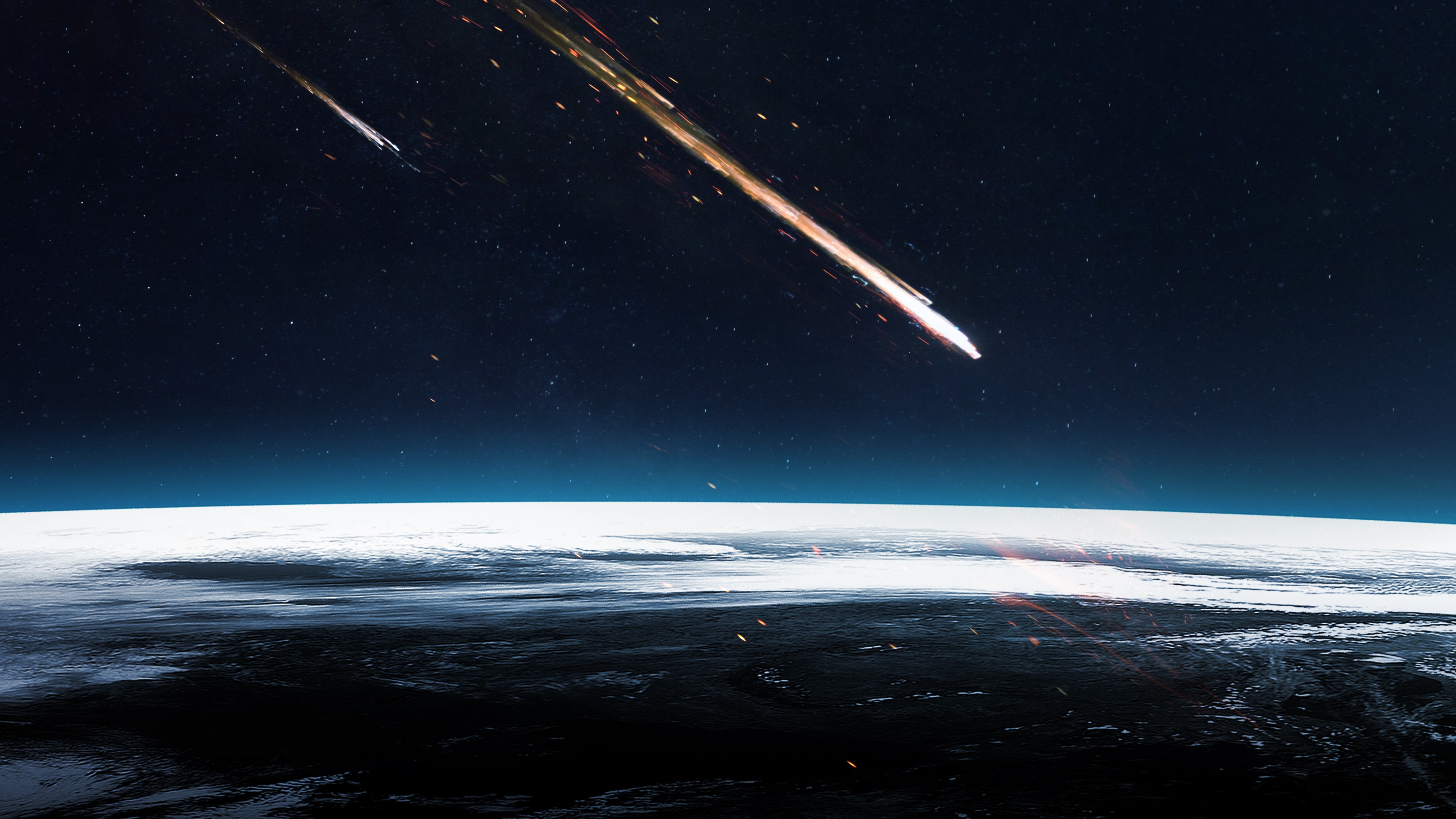
After 53 years stuck in space, a Soviet spacecraft designed to land on Venus has finally crash-landed back on Earth.

The Kosmos 482 probe, a relic from the first Space Race, crashed harmlessly into the Indian Ocean west of Jakarta, Indonesia at 2:24 a.m. EDT (6:24 a.m. GMT), the Russian space agency Roscosmos announced on Telegram. No damage or injuries have been reported, and it remains unclear whether the lander reached the ocean in one piece.

Launched in 1972, Kosmos 482 was intended to be part of the Soviet Union’s Venera program that collected data from Venus.

But a malfunction in the upper stage of the Soyuz rocket booster that lofted the ship skyward scrubbed its mission, leaving the craft with just enough velocity to be marooned in an elliptical orbit around our planet. Now, less than 5,000 miles (8,000 kilometers) from where it first launched from Kazakhstan’s Baikonur Cosmodrome, the probe’s long journey has finally ended.

“The Kosmos-482 spacecraft ceased to exist, deorbiting and falling into the Indian Ocean,” Roscosmos wrote in the translated Telegram statement. “The descent of the spacecraft was monitored by the Automated Warning System for Hazardous Situations in Near-Earth Space.”

Kosmos 482 was built as a sister probe to Venera 8, which launched in July 1972 to become the second craft (following Venera 7) to land on Venus. Once there, Venera 8 beamed data from the planet’s hellish surface for just over 50 minutes before being fried.

Related: 5,000-pound European satellite burns up over Pacific Ocean after 30 years in orbit

Get the world’s most fascinating discoveries delivered straight to your inbox.

Following its failed launch, Kosmos 482 broke into several pieces consisting of the main body and the lander. The former reentered Earth’s atmosphere nine years after launch on May 5 1981, while the descent craft remained trapped inside a slowly decaying orbit that has persisted for more than 50 years.

Being built to survive passage through Venus’ atmosphere means that if the 1,091-pound (495 kilograms), 3-foot (1 meter) lander is recovered it will likely be mostly intact. Under a United Nations treaty, any surviving debris from the spaceship will belong to Russia.

The craft’s uneventful landing comes as a relief, but scientists have always stressed it was unlikely to harm anyone.

“While the risk is nonzero, any one individual on Earth is far likelier to be struck by lightning than to be injured by Cosmos 482,” The Aerospace Corporation, a federally funded nonprofit organization, wrote in an FAQ. “If it remains intact all the way to the surface, we project a risk of 0.4 in 10,000 — which falls well within the current safety threshold.”

The spaceship’s dramatic return highlights the growing risk of potentially hazardous debris orbiting our skies. Four of China’s Long March 5B boosters — the workhorses of the country’s space program — fell to Earth between 2020 and 2022, raining debris down on the Ivory Coast, Borneo and the Indian Ocean. And in 2021 and 2022, debris from falling SpaceX rockets smashed into a farm in Washington state and landed on a sheep farm in Australia.

Space agencies around the world try to keep tabs on the more than 30,000 largest pieces of this junk, but many more pieces of debris are simply too small to monitor.

Source link

Share. Facebook Twitter Pinterest LinkedIn Tumblr Email
Previous ArticleHoatzin: The strange ‘stinkbird’ born with clawed wings that appears to be an evolutionary ‘orphan’
Next Article Best air purifiers for pet owners 2025: Remove pet dander, hair and odors
Editor
  • Website

Related Posts

Lifestyle

3 rivers merge into striking half-and-half waterway in Guyana — Earth from space

March 3, 2026
Lifestyle

Lady of Elche: A 2,400-year-old bust of a mysterious ‘highborn’ woman from pre-Roman Spain

March 2, 2026
Lifestyle

Do you weigh more when an elevator goes up or when it comes down?

March 2, 2026
Add A Comment

Comments are closed.

Categories
  • Entertainment
  • Lifestyle
  • News
  • Sports
  • Tech
  • Travel
Recent Posts
  • The 11-inch iPad Air has hit a record-low price on Amazon — save $150 right now
  • Lord Allen: British Horseracing Authority chair resigns after six months in role | Racing News
  • Spring Romance Book Recommendations 2026
  • OC Budget Survey, I Give it One Star
  • 3 rivers merge into striking half-and-half waterway in Guyana — Earth from space
calendar
March 2026
M T W T F S S
 1
2345678
9101112131415
16171819202122
23242526272829
3031  
« Feb    
Recent Posts
  • The 11-inch iPad Air has hit a record-low price on Amazon — save $150 right now
  • Lord Allen: British Horseracing Authority chair resigns after six months in role | Racing News
  • Spring Romance Book Recommendations 2026
About

Welcome to Baynard Media, your trusted source for a diverse range of news and insights. We are committed to delivering timely, reliable, and thought-provoking content that keeps you informed
and inspired

Categories
  • Entertainment
  • Lifestyle
  • News
  • Sports
  • Tech
  • Travel
Facebook X (Twitter) Pinterest WhatsApp
  • Contact Us
  • About Us
  • Privacy Policy
  • Disclaimer
  • UNSUBSCRIBE
© 2026 copyrights reserved

Type above and press Enter to search. Press Esc to cancel.