
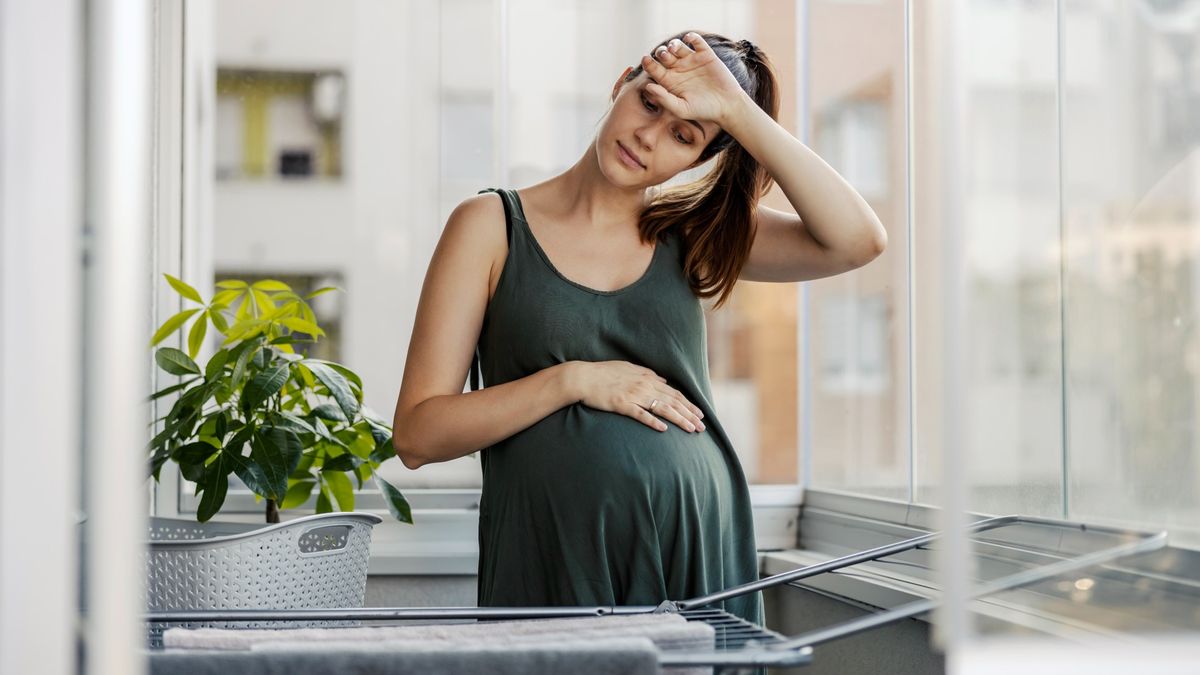
Exposure to higher-than-average levels of outdoor air pollution and extreme temperatures raises the risk of a prolonged pregnancy, new research suggests.
An analysis of almost 400,000 live births in Australia has revealed that people who were exposed to very hot or cold temperatures, as well as to elevated levels of fine particulate air pollution (PM2.5), during pregnancy were more likely to give birth after 41 weeks compared with people who were not exposed to those conditions.
The average pregnancy normally lasts approximately 40 weeks, while babies who are born after 41 or 42 weeks are referred to as “late-term” or “post-term” births, respectively. Birth delays can increase the risk of birth complications associated with babies being excessively large — including vaginal bleeding or hemorrhage during delivery — as well as the likelihood of stillbirth or death after birth.
The scientists who conducted the new research described their findings in a paper published Jan. 31 in the journal Urban Climate. They claim to be the first to investigate how climate change may affect the risk of prolonged pregnancy.
Related: ‘Dengue is coming’: Climate-fueled rise in cases will affect the US, scientists warn
“We know that being ‘born too soon’ — preterm birth — has well-documented health risks, but little attention has been given to the risks associated with being ‘born too late’,” lead study author Sylvester Dodzi Nyadanu, a research associate in environmental health at Curtin University in Australia, said in a statement.
In the new study, the researchers examined how much PM2.5 air pollution 393,384 people were exposed to monthly shortly before and during pregnancy, from three months before conception to when they gave birth, based on where they lived. During the same time period, they also used a metric known as the Universal Thermal Climate Index (UTCI) to estimate how much thermal stress their bodies were under because of the weather, factoring in elements such as air temperature and humidity.
Overall, they found that 12% — or 47,380 — of the mothers had a prolonged pregnancy (meaning 41 weeks or more) and that higher levels of exposure to PM2.5 and thermal stress measured by the UTCI increased the odds of this happening. This was after they considered other factors that can influence pregnancy duration, such as smoking, socioeconomic status, race and ethnicity, and maternal age. People giving birth for the first time, people over 35, and people living in urban areas were particularly vulnerable to these effects.
Exposure to extreme temperatures and air pollution may prolong pregnancy in numerous ways, the researchers said. For example, both factors may increase the production of unstable molecules called “reactive oxygen species” which can disrupt hormonal function.
Such risks may become more apparent as climate change increases the number of extreme weather events and reduces air quality, Nyadanu said in the statement.
“This study highlights the need for targeted policies and preventative measures to reduce climate-related health risks, including better air quality regulations and public health initiatives aimed at protecting expectant mothers and children from extreme climatic conditions,” he added.
This article is for informational purposes only and is not meant to offer medical advice.
