Close Menu
  • Home
  • UNSUBSCRIBE
  • News
  • Lifestyle
  • Tech
  • Entertainment
  • Sports
  • Travel
Facebook X (Twitter) WhatsApp
Trending
  • Supreme Court weighs Trump’s contentious attempt to limit birthright citizenship
  • Renounce US Citizenship: Step-by-Step Guide
  • Kristi Noem’s husband alleged to live secret life, raising blackmail fears
  • Were about half of Duluth residents foreign born in the late 1800s? 
  • Average Cost of Living by State in the US in 2024
  • Alabama Gov Kay Ivey hospitalized after undergoing minor lung fluid procedure
  • Spitzer’s Office Faces $18M in Settlements and Judgements
  • ‘80% chance of a go,’ launch weather officer says at NASA’s Artemis II prelaunch conference
Facebook X (Twitter) WhatsApp
Baynard Media
  • Home
  • UNSUBSCRIBE
  • News
  • Lifestyle
  • Tech
  • Entertainment
  • Sports
  • Travel
Baynard Media
Home»Lifestyle»Powerful ‘equinox auroras’ may arrive soon: Why changing seasons can bring the best northern lights
Lifestyle

Powerful ‘equinox auroras’ may arrive soon: Why changing seasons can bring the best northern lights

EditorBy EditorMarch 6, 2025No Comments3 Mins Read
Share Facebook Twitter Pinterest LinkedIn Tumblr Reddit Telegram Email
Share
Facebook Twitter LinkedIn Pinterest Email

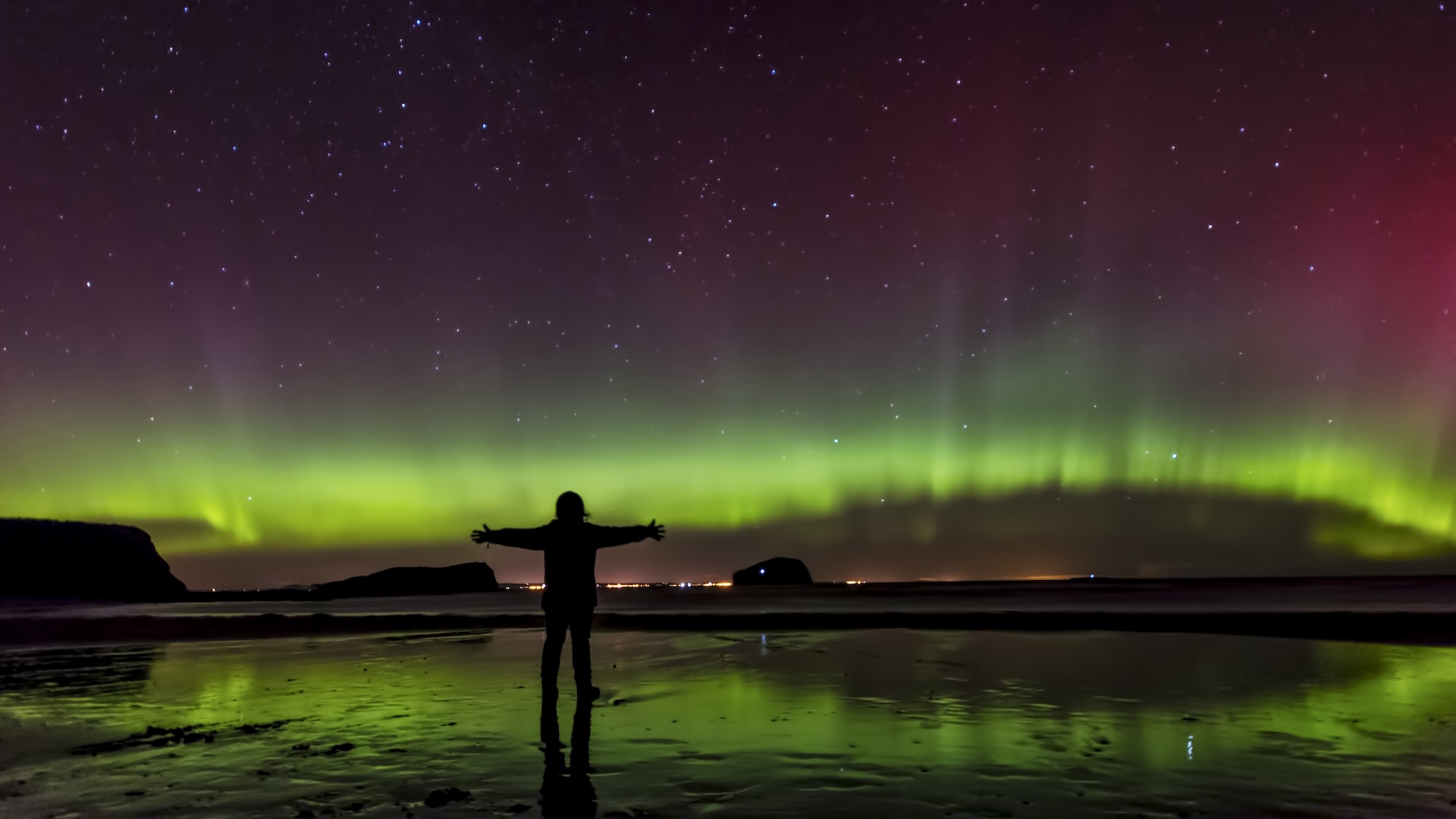
The sun is about to enter the Northern Hemisphere, which means some stunning auroras may be visible in the coming weeks.

At precisely 9:01 UTC (5:01 a.m. EDT) on March 20, our star will cross the celestial equator during the vernal (spring) equinox. Earth’s axis will be side-on to the sun, meaning there will be more daylight in the Northern Hemisphere from then until June’s solstice.

Besides the beginning of astronomical spring, it also signals the beginning of the end of aurora-hunting season north of the equator, since regions around the Arctic Circle at 66 degrees north will see sunrises and sunsets significantly earlier and later, respectively, until the solstice. Darkness will soon be in short supply.

However, aurora season could go out with a bang thanks to celestial geometry. An equinox occurs when Earth’s axis is titled perpendicular to the sun, with every location on the planet receiving roughly equal amounts of sunlight and darkness. That can create an “equinox effect,” leading to an increased likelihood of auroral activity around the spring and fall equinoxes.

Related: 32 stunning photos of auroras seen from space

The northern lights occur when charged particles from the sun — called the solar wind — interact with Earth’s magnetic field. During the equinoxes, there’s a higher probability of favorable interactions between the solar wind’s magnetic orientation and Earth’s magnetic field because Earth’s magnetic poles are at a right angle to the direction of the solar wind’s flow, according to Live Science’s sister site Space.com.

“Earth’s magnetic field and the sun’s magnetic field are essentially aligned better at the equinoxes, and so you’re more likely to get an exactly inverted alignment around the equinoxes just because it’s perpendicular,” Tom Kerss, author of “The Northern Lights: The Definitive Guide to Auroras” (Collins, 2021) and chief aurora hunter on Hurtigruten Astronomy Cruises, told Live Science. “There is an increased efficiency of transfer because it opens up holes on the bow shock of the Earth’s magnetic field and allows solar wind to be injected into the geospace environment.”

Get the world’s most fascinating discoveries delivered straight to your inbox.

It means more geomagnetic disturbances, which are almost twice as likely in spring and fall compared with winter and summer, according to David Hathaway, a solar physicist at NASA’s Ames Research Center.

This alignment leads to a higher frequency of auroral displays during these periods, though not necessarily at more southerly latitudes in the Northern Hemisphere. That depends on whether there are powerful geomagnetic storms, which are not seasonal; instead, they depend on the sun’s activity, which is peaking now due to solar maximum.

Will aurora season go out with a bang? That remains to be seen, but the “equinox effect” can persist for a couple of weeks, so those in northern latitudes should be on high alert.

Source link

Share. Facebook Twitter Pinterest LinkedIn Tumblr Email
Previous ArticlePamela Bach-Hasselhoff, ‘Baywatch’ actor and David Hasselhoff’s ex-wife, dies at 62
Next Article Sam Bankman-Fried calls Sean ‘Diddy’ Combs ‘kind’ in jailhouse interview with Tucker Carlson
Editor
  • Website

Related Posts

Lifestyle

Renounce US Citizenship: Step-by-Step Guide

April 1, 2026
Lifestyle

Average Cost of Living by State in the US in 2024

April 1, 2026
Lifestyle

‘80% chance of a go,’ launch weather officer says at NASA’s Artemis II prelaunch conference

April 1, 2026
Add A Comment

Comments are closed.

Categories
  • Entertainment
  • Lifestyle
  • News
  • Sports
  • Tech
  • Travel
Recent Posts
  • Supreme Court weighs Trump’s contentious attempt to limit birthright citizenship
  • Renounce US Citizenship: Step-by-Step Guide
  • Kristi Noem’s husband alleged to live secret life, raising blackmail fears
  • Were about half of Duluth residents foreign born in the late 1800s? 
  • Average Cost of Living by State in the US in 2024
calendar
April 2026
M T W T F S S
 12345
6789101112
13141516171819
20212223242526
27282930  
« Mar    
Recent Posts
  • Supreme Court weighs Trump’s contentious attempt to limit birthright citizenship
  • Renounce US Citizenship: Step-by-Step Guide
  • Kristi Noem’s husband alleged to live secret life, raising blackmail fears
About

Welcome to Baynard Media, your trusted source for a diverse range of news and insights. We are committed to delivering timely, reliable, and thought-provoking content that keeps you informed
and inspired

Categories
  • Entertainment
  • Lifestyle
  • News
  • Sports
  • Tech
  • Travel
Facebook X (Twitter) Pinterest WhatsApp
  • Contact Us
  • About Us
  • Privacy Policy
  • Disclaimer
  • UNSUBSCRIBE
© 2026 copyrights reserved

Type above and press Enter to search. Press Esc to cancel.