
Disease name: Polymerase gamma-related diseases, called POLG-related diseases for short
Affected populations: POLG-related diseases are a group of rare, incurable conditions caused by inherited gene mutations. These disease-causing mutations are carried by up to 2% of people of Northern European descent. However, not everyone who carries the mutations ultimately develops a POLG-related disorder.
Estimates suggest that these diseases affect approximately 1 in 10,000 people worldwide.
Causes: POLG-related diseases are caused by several hundred different mutations in the POLG gene. This gene encodes a protein in mitochondria, called DNA polymerase gamma (pol γ), which is needed to replicate and repair the unique DNA found only inside mitochondria, rather than in the cell nucleus.
People develop POLG-related diseases by inheriting either one or two copies of the mutated POLG gene from one or both of their parents.
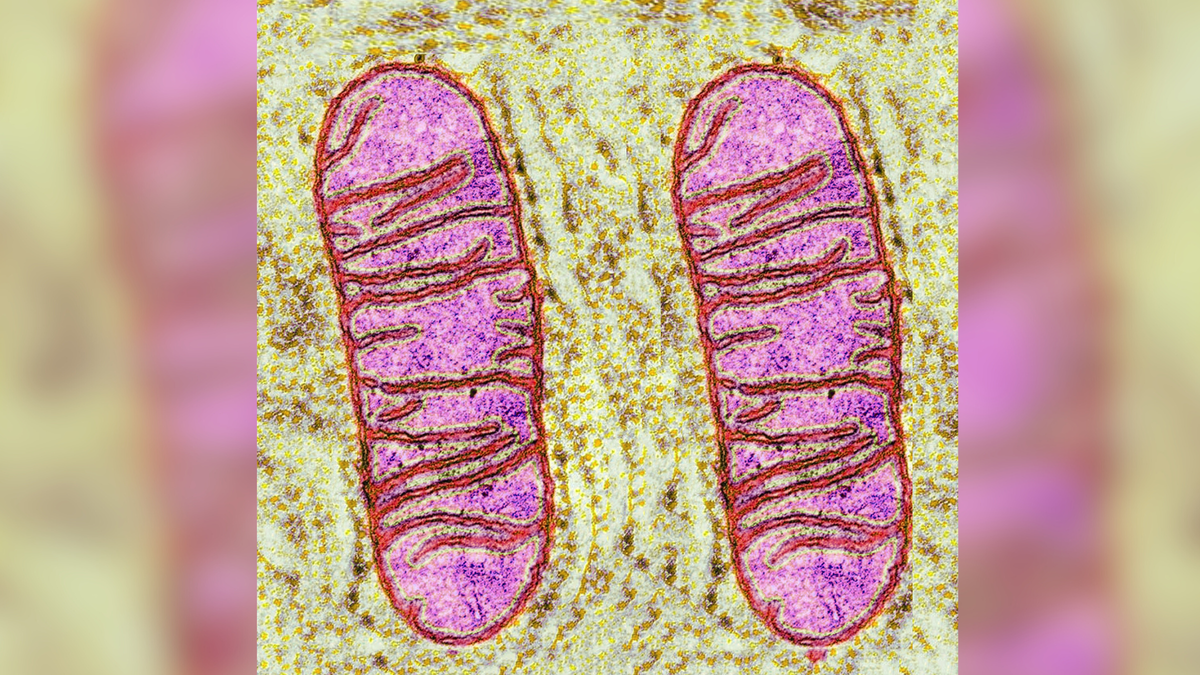
Mitochondria are the cellular powerhouses responsible for breaking down the carbohydrates and fatty acids in food to produce molecules called ATP, which the body then uses as energy.
Related: Malfunctioning mitochondria may drive Crohn’s disease, early study hints
In people with POLG-related diseases, issues with polymerase gamma can either end up decreasing the amount of DNA in mitochondria or introducing mutations into that DNA. And in some cases, both these events can occur.
Ultimately, cells become energy-depleted, and this can lead to organ dysfunction and failure.
POLG mutations are the most common cause of inherited mitochondrial disorders, with around 300 mutations in POLG known to cause disease. Examples of POLG-related diseases include Alpers-Huttenlocher syndrome, ataxia neuropathy spectrum and childhood myocerebrohepatopathy spectrum.

Symptoms: POLG-related diseases can be tricky to diagnose, in part, because they can cause an array of symptoms that vary in severity. These symptoms can also emerge at different times in a person’s life, from early childhood to adulthood, depending on which disease they have.
The timing of symptoms partly varies depending on the specific POLG mutation a person carries and the number of copies, as well as the underlying driver of their condition — whether it’s mostly related to the loss of DNA or accumulation of mutations.
Once they manifest, the symptoms mostly affect parts of the body that require a lot of energy, such as the central nervous system, muscles and liver.
Common symptoms of POLG-related diseases include progressive weakness of the eye muscles and the muscles that are closest to the center of the body, such as those located in the shoulders or upper arms. People with these diseases may also have droopy eyelids and develop epilepsy and liver failure.
Alpers-Huttenlocher syndrome is one of the most severe forms of POLG-related disease. In addition to the previously listed symptoms, people with this condition also usually experience seizures, a reduced ability to move and liver disease.
People with ataxia neuropathy spectrum, meanwhile experience issues with coordination and balance, as well as reduced nerve function.
Treatments: There is no cure for POLG-related diseases; current treatments instead focus on reducing a patient’s symptoms. For instance, doctors can prescribe drugs to help manage seizures or movement difficulties. Transplantation is also an option for patients who experience liver failure.
People with a POLG-related disease typically live for between three months and 12 years after symptoms first begin.
Recent cases: In March 2025, Prince Frederik of Luxembourg, who was second cousin of the heir to the throne, reportedly died of a POLG-related disease at the age of 22. Frederik was the founder and creative director of The POLG Foundation, an organization that supports research into treatments for POLG-related diseases.
This article is for informational purposes only and is not meant to offer medical advice.
