Close Menu
  • Home
  • UNSUBSCRIBE
  • News
  • Lifestyle
  • Tech
  • Entertainment
  • Sports
  • Travel
Facebook X (Twitter) WhatsApp
Trending
  • Emma Stone Screen Actors Guild, Real Name Emily Stone
  • Measles outbreaks could cost the U.S. over a $1 billion a year, if vaccine rates decline
  • NASA telescope spots first alien ‘astrosphere’ around a sun-like star: Space photo of the week
  • Get the Microsoft Office tools you’ve always relied on — now with AI capabilities
  • Live Commentary – Rangers vs Celtic
  • How Justin Bieber, Hailey Bieber Defend Marriage
  • MARK LEVIN: Iran postwar planning risks disaster without US involvement
  • The 4 best MacBooks to buy in 2026
Facebook X (Twitter) WhatsApp
Baynard Media
  • Home
  • UNSUBSCRIBE
  • News
  • Lifestyle
  • Tech
  • Entertainment
  • Sports
  • Travel
Baynard Media
Home»Lifestyle»Perseid meteor shower 2025: How to see ‘shooting stars’ despite the full moon
Lifestyle

Perseid meteor shower 2025: How to see ‘shooting stars’ despite the full moon

EditorBy EditorAugust 8, 2025No Comments3 Mins Read
Share Facebook Twitter Pinterest LinkedIn Tumblr Reddit Telegram Email
Share
Facebook Twitter LinkedIn Pinterest Email

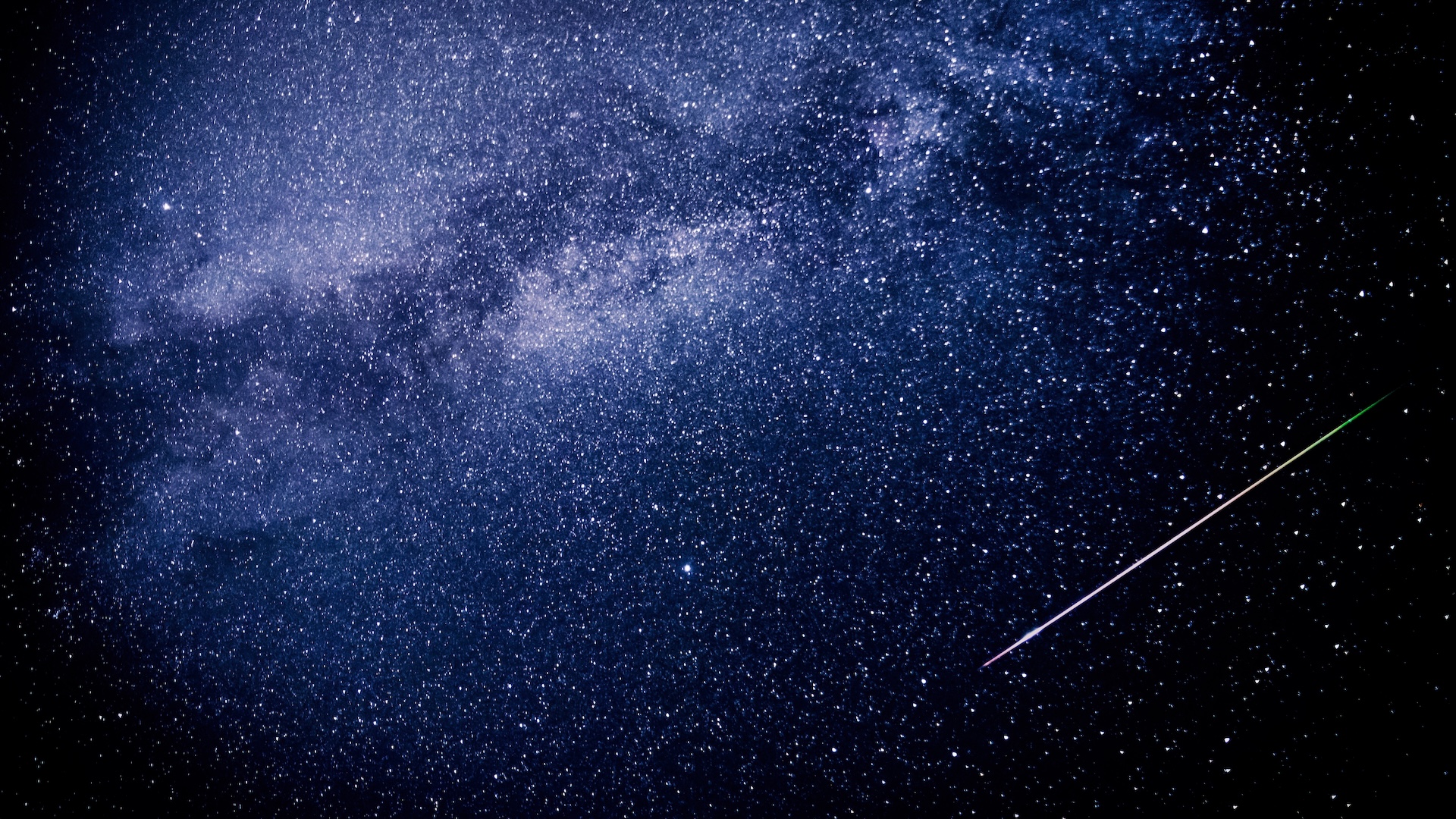
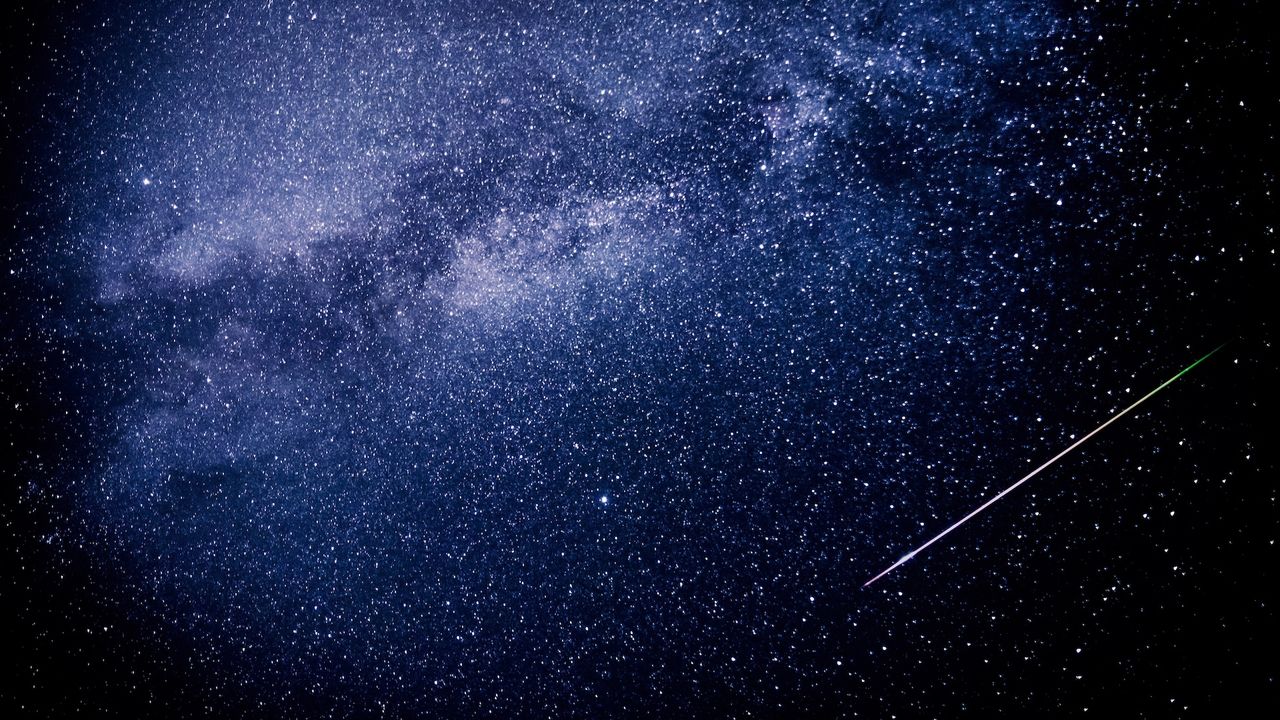
The Perseids — one of the strongest meteor showers of the year in the Northern Hemisphere — will peak on the night of Aug. 12-13. This meteor shower typically brings up to 75 “shooting stars” per hour, but this year, there’s a big problem: a nearly full moon.

Meteor showers are always best seen in dark, moonless skies. However, August’s full Sturgeon Moon rises on Saturday, Aug. 9. The moon always rises later each day as it orbits Earth, but in the summer, there’s less of a difference. By Tuesday, Aug. 12, it will rise at almost the same time as it begins to get dark, making the window for a moonless night sky extremely short.

For example, on Aug. 9 in New York, the sun will set at 8:27 p.m. EDT, and an 84%-illuminated waning gibbous moon will rise at about 10:01 p.m. EDT and will remain in the sky for the rest of the night, according to Time and Date. Astronomical twilight — when “shooting stars” may become visible — doesn’t begin until 10:28 p.m. EDT. With the Perseids peaking around midnight, there is no ideal time on the peak night when the night sky will be properly dark.


You may like

But all is not lost. The peak on Aug. 12-13 is particularly strong, according to the American Meteor Society, so even though you won’t spot anything like the 50 to 75 meteors per hour sometimes seen in dark rural skies, shooting stars should still be visible in a clear sky. The peak night is still likely to be the best time to look.

It also helps that the moon will trace a low arc across the southern sky — as it does in summer when it’s close to its full phase — but your expectations should be conservative. Just a handful of bright “shooting stars” are likely to be seen by most observers.

The best advice is to watch with your back to the moon. That will serve a dual purpose because the moon will be in the south, while the radiant point of the Perseids (located in the constellation Perseus) will be rising in the northeast.

With each passing night after the peak, the moon rises later, widening the window for a moonless sky after sunset. However, with the rates dipping considerably after the peak night, there is no ideal time to watch the Perseid meteor shower this year.

Get the world’s most fascinating discoveries delivered straight to your inbox.

The Perseid meteor shower is the result of dust and debris left in the inner solar system by a colossal comet called Swift-Tuttle. About 16 miles (26 kilometers) in diameter, it was last in the inner solar system in 1992 and won’t be seen again until 2125, according to NASA.

Source link

Share. Facebook Twitter Pinterest LinkedIn Tumblr Email
Previous ArticleMother of slain congressional intern pleads for D.C. crime crackdown
Next Article Texas Gov. Greg Abbott moves to amp up the pressure on Democrats who fled in redistricting standoff
Editor
  • Website

Related Posts

Lifestyle

NASA telescope spots first alien ‘astrosphere’ around a sun-like star: Space photo of the week

March 1, 2026
Lifestyle

Science history: Carbon-14 is discovered, opening a window into past civilizations — Feb. 27, 1940

March 1, 2026
Lifestyle

March 2026 night sky — what’s happening and what products do you need?

March 1, 2026
Add A Comment

Comments are closed.

Categories
  • Entertainment
  • Lifestyle
  • News
  • Sports
  • Tech
  • Travel
Recent Posts
  • Emma Stone Screen Actors Guild, Real Name Emily Stone
  • Measles outbreaks could cost the U.S. over a $1 billion a year, if vaccine rates decline
  • NASA telescope spots first alien ‘astrosphere’ around a sun-like star: Space photo of the week
  • Get the Microsoft Office tools you’ve always relied on — now with AI capabilities
  • Live Commentary – Rangers vs Celtic
calendar
March 2026
M T W T F S S
 1
2345678
9101112131415
16171819202122
23242526272829
3031  
« Feb    
Recent Posts
  • Emma Stone Screen Actors Guild, Real Name Emily Stone
  • Measles outbreaks could cost the U.S. over a $1 billion a year, if vaccine rates decline
  • NASA telescope spots first alien ‘astrosphere’ around a sun-like star: Space photo of the week
About

Welcome to Baynard Media, your trusted source for a diverse range of news and insights. We are committed to delivering timely, reliable, and thought-provoking content that keeps you informed
and inspired

Categories
  • Entertainment
  • Lifestyle
  • News
  • Sports
  • Tech
  • Travel
Facebook X (Twitter) Pinterest WhatsApp
  • Contact Us
  • About Us
  • Privacy Policy
  • Disclaimer
  • UNSUBSCRIBE
© 2026 copyrights reserved

Type above and press Enter to search. Press Esc to cancel.