

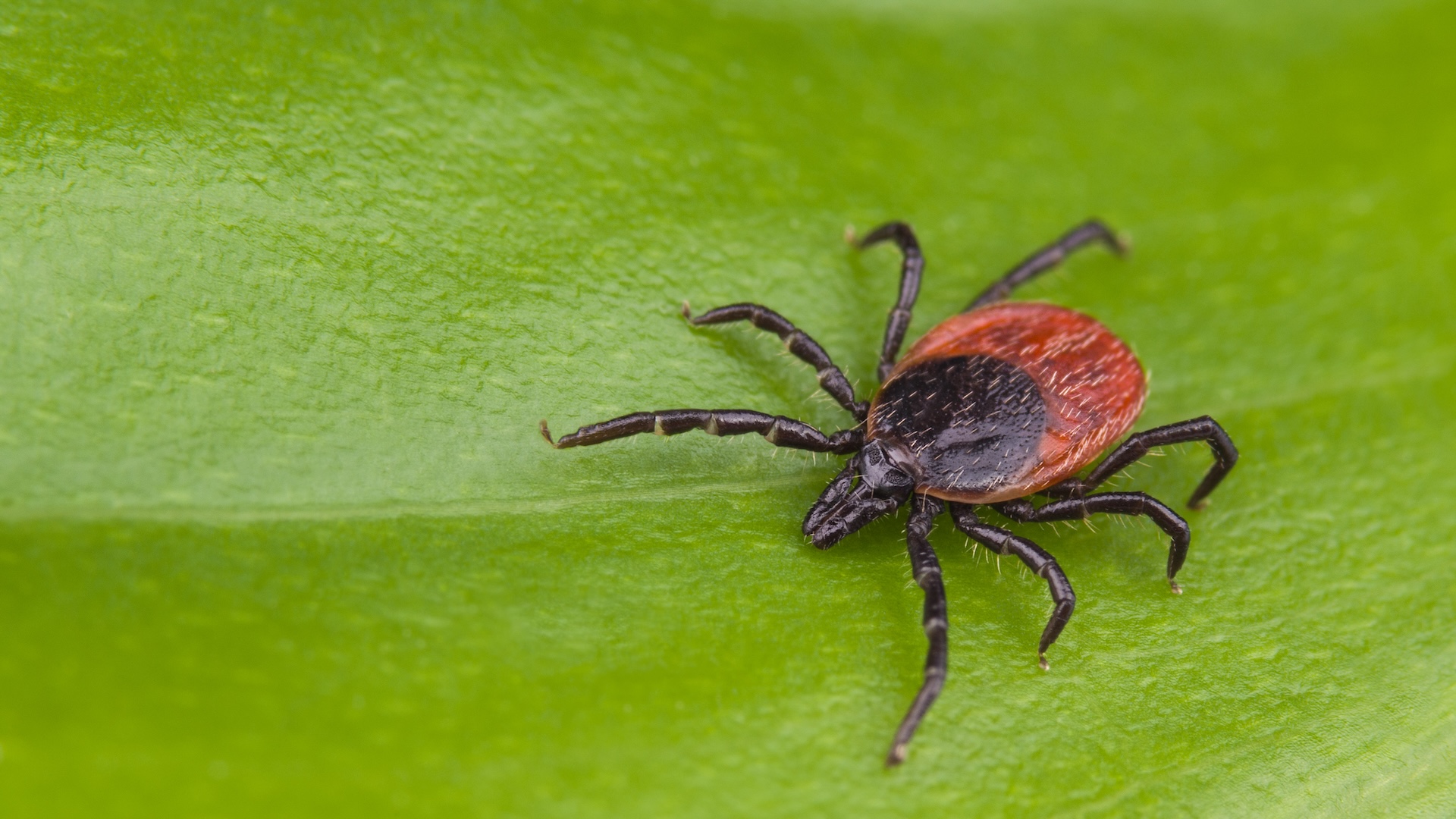
Until recently, scientists thought a rare and potentially deadly meat allergy was transmitted by just one species of tick found in the U.S. — the lone star tick (Amblyomma americanum). However, new reports of the allergy, called alpha-gal syndrome, show that the much more widespread black-legged ticks (Ixodes) can also transmit the disease.
Whereas lone star ticks are found mainly in the southern and eastern U.S., black-legged ticks (Ixodes scapularis), also called deer ticks, are present in the eastern half of the U.S. and the Midwest and the western black-legged tick (Ixodes pacificus) inhabits the West Coast, according to Mayo Clinic.
The new case reports suggest that people in a wide swath of the U.S. are at risk of tick-borne alpha-gal syndrome. However, “evidence continues to support that in the U.S., most alpha-gal syndrome patients develop the allergy after experiencing a bite from a lone star tick,” Dr. Johanna Salzer, a veterinary medical officer and epidemiologist with the Centers for Disease Control and Prevention’s (CDC) Division of Vector-Borne Diseases and a co-author of both case reports, told Live Science in an email.
Given that a variety of tick species have been linked to alpha-gal syndrome outside the U.S., scientists had long suspected that black-legged ticks in the U.S. also transmit the allergy.
“For us, it was never just the lone star tick,” Jennifer Platt, co-founder of the nonprofit Tick-Borne Conditions United and an adjunct faculty member at the University of North Carolina at Chapel Hill, wrote in a blog post. “With thousands of Lyme [a tick-borne disease] patients telling us they can’t tolerate red meat, we’ve long suspected black-legged ticks and other tick species in the US,” she noted.
“Although our publications are some of the first reports linking blacklegged ticks in the US to alpha-gal syndrome, bites from these species in the U.S. leading to alpha-gal syndrome almost certainly have occurred prior to these reports,” Salzer said.
In alpha-gal syndrome, the immune system overreacts to a sugar known as galactose-α-1,3-galactose, or “alpha-gal” for short. Those affected can develop severe allergic reactions not only to red meat but also to some medications, personal care products, and medical treatments containing ingredients from mammalian tissues, where this sugar is found.
Related: Tick season: What to know about bites, removing ticks and tick-borne diseases
The first case, reported in the April 4 issue of the CDC journal Emerging Infectious Diseases, described a Maine woman who developed alpha-gal syndrome after a confirmed black-legged tick (I. scapularis) bite.
The 45-year-old woman first experienced inflammation and itchiness at the bite site, followed by abdominal pain and malaise nine days later, after eating rabbit. Over the next two weeks, she continued having digestive problems after consuming red meat. A severe episode of diarrhea and vomiting hours after she ate beef prompted her to visit a health care provider 20 days after the tick bite. Blood tests revealed extremely high levels of alpha-gal-specific immunoglobulin E (IgE), confirming alpha-gal syndrome. Her allergy resolved after 10 months.
The second case of alpha-gal syndrome, reported in the same journal issue, involved a 61-year-old wildlife biologist in Washington. After a confirmed bite from the western black-legged tick (I. pacificus), she experienced a skin rash and lip swelling, followed by a severe allergic reaction 29 days later, after she ate red meat, and required emergency epinephrine (EpiPen) treatment. After being diagnosed with alpha-gal syndrome, she avoided meat and had no further reactions. Some years later, she got two more I. pacificus tick bites, which triggered a rise in alpha-gal IgE antibodies.
To date, why tick bites can trigger alpha-gal syndrome is poorly understood. “We are only beginning to delve into the science of this and other tick-borne diseases — there’s so much we don’t know,” Platt said.
Research has shown that some tick species produce alpha-gal antigens — proteins that trigger an immune response — and secrete these antigens in their saliva during feeding. This may trigger the alpha-gal allergy in humans. “The ticks do NOT pick up [alpha-gal antigens] from animals and then transmit them to humans,” Platt emphasized.
“More studies are needed to discover details about how a tick bite triggers alpha-gal syndrome in some people, and why bites from lone star ticks appear to cause the majority of the human cases in the United States versus blacklegged, western blacklegged, and other ticks,” Salzer said.
Preventing tick bites is the best way to protect against alpha-gal syndrome and other tick-borne diseases, such as Lyme disease and Powassan virus. “When you anticipate being in areas where ticks may live, use an EPA-registered insect repellent and wear permethrin-treated clothing,” Salzer advised.
