Close Menu
  • Home
  • UNSUBSCRIBE
  • News
  • Lifestyle
  • Tech
  • Entertainment
  • Sports
  • Travel
Facebook X (Twitter) WhatsApp
Trending
  • George Kittle’s wife shares live reaction to Achilles injury
  • ‘The scientific cost would be severe’: A Trump Greenland takeover would put climate research at risk
  • Headlines Across OC as Angel Stadium Sale Debate Intensifies
  • Anti-Islam activists clash with pro-Muslim counter-protesters in Dearborn, Michigan
  • Best monitor deal: Get the 45-inch LG Ultragear gaming monitor for its lowest price yet
  • Slovakia U21 0 – 4 England U21
  • 13 Top Sleep Products That Transform Your Bedtime Routine for Better Rest
  • Firefighters rescue puppies from burning house
Facebook X (Twitter) WhatsApp
Baynard Media
  • Home
  • UNSUBSCRIBE
  • News
  • Lifestyle
  • Tech
  • Entertainment
  • Sports
  • Travel
Baynard Media
Home»Lifestyle»Leonids 2025: One of the year’s last meteor showers could peak with bright ‘fireballs’ this week
Lifestyle

Leonids 2025: One of the year’s last meteor showers could peak with bright ‘fireballs’ this week

EditorBy EditorNovember 11, 2025No Comments3 Mins Read
Share Facebook Twitter Pinterest LinkedIn Tumblr Reddit Telegram Email
Share
Facebook Twitter LinkedIn Pinterest Email

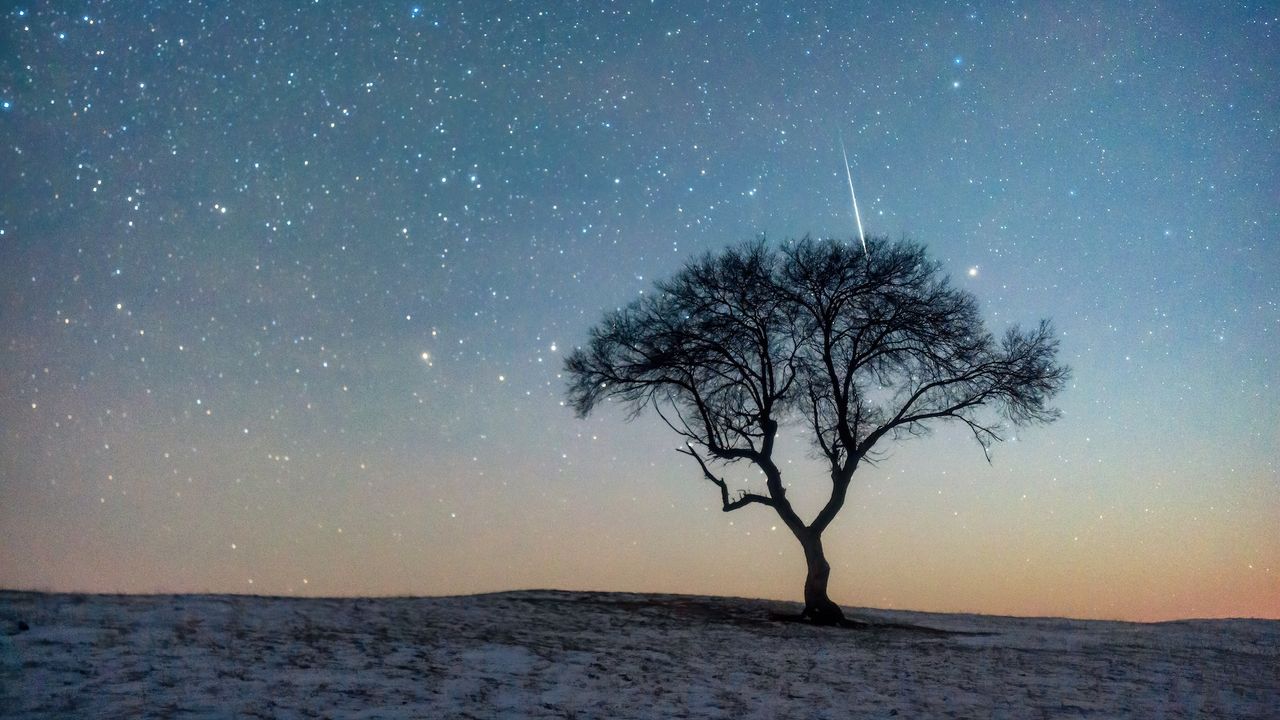
The annual Leonid meteor shower will peak in the early morning hours Monday (Nov. 17), and if you’re willing to rise early (or stay up late), you may spot up to 15 meteors per hour in a moonless night sky.

The Leonids are active from Nov. 6 to 30, but the peak night — when Earth passes through the densest part of the meteor stream — will take place between midnight and dawn on Nov. 17.

This year’s Leonids offer one of their best viewing windows in recent years, thanks to a nearly moonless night. According to the American Meteor Society, a waning crescent moon — just 9% illuminated — will rise late in the predawn hours, leaving the prime viewing hours free of moonlight.


You may like

Leonid meteors are known for their speed, striking Earth’s atmosphere at approximately 44 miles per second (70 kilometers per second). This velocity often produces bright meteors, or fireballs, some of which leave persistent trails.

The Leonids are caused by tiny particles from Comet 55P/Tempel-Tuttle that burn up in the atmosphere, producing meteors. The comet orbits the sun every 33 years and is due to return to the inner solar system in 2031.

Historically, the Leonids have been known for producing dramatic meteor storms. These rare events, where rates exceeded 1,000 meteors per hour, were recorded in 1833, 1866, 1966, 1999, 2001 and 2002. The 1966 Leonid meteor shower is rated as the finest in recorded history; so many meteors were seen in a 15-minute period that they appeared to fall like rain, according to NASA. No dense debris encounters are expected this year, however, so a meteor storm is unlikely.

For the best experience, head outside between 2 a.m. and dawn on Nov. 17. Find a location away from city lights, lie back with a wide view of the sky, and allow your eyes about 20 minutes to adapt to the dark.

Get the world’s most fascinating discoveries delivered straight to your inbox.

Leonids appear to radiate from the constellation Leo, which rises in the eastern sky after midnight. However, meteors can be seen in any part of the sky, and stargazing binoculars or a telescope can help you spot them. Because Leo is on the celestial equator, this meteor shower can be seen just as easily in both hemispheres.

After the Leonids, the next major meteor shower will be the Geminids — the most prolific meteor shower of the year. During this event, which peaks Dec. 13-14, around 140 “shooting stars” per hour may be visible.

Source link

Share. Facebook Twitter Pinterest LinkedIn Tumblr Email
Previous ArticleAltoVolo unveils world’s first eVTOL configurator for Sigma aircraft
Next Article Utah judge rejects GOP redistricting effort, approving new map with a Democratic-leaning seat
Editor
  • Website

Related Posts

Lifestyle

‘The scientific cost would be severe’: A Trump Greenland takeover would put climate research at risk

January 17, 2026
Lifestyle

New ‘Transformer’ humanoid robot can launch a shapeshifting drone off its back — watch it in action

November 19, 2025
Lifestyle

Medieval spear pulled from Polish lake may have belonged to prince or nobleman

November 19, 2025
Add A Comment

Comments are closed.

Categories
  • Entertainment
  • Lifestyle
  • News
  • Sports
  • Tech
  • Travel
Recent Posts
  • George Kittle’s wife shares live reaction to Achilles injury
  • ‘The scientific cost would be severe’: A Trump Greenland takeover would put climate research at risk
  • Headlines Across OC as Angel Stadium Sale Debate Intensifies
  • Anti-Islam activists clash with pro-Muslim counter-protesters in Dearborn, Michigan
  • Best monitor deal: Get the 45-inch LG Ultragear gaming monitor for its lowest price yet
calendar
February 2026
M T W T F S S
 1
2345678
9101112131415
16171819202122
232425262728  
« Jan    
Recent Posts
  • George Kittle’s wife shares live reaction to Achilles injury
  • ‘The scientific cost would be severe’: A Trump Greenland takeover would put climate research at risk
  • Headlines Across OC as Angel Stadium Sale Debate Intensifies
About

Welcome to Baynard Media, your trusted source for a diverse range of news and insights. We are committed to delivering timely, reliable, and thought-provoking content that keeps you informed
and inspired

Categories
  • Entertainment
  • Lifestyle
  • News
  • Sports
  • Tech
  • Travel
Facebook X (Twitter) Pinterest WhatsApp
  • Contact Us
  • About Us
  • Privacy Policy
  • Disclaimer
  • UNSUBSCRIBE
© 2026 copyrights reserved

Type above and press Enter to search. Press Esc to cancel.