Close Menu
  • Home
  • UNSUBSCRIBE
  • News
  • Lifestyle
  • Tech
  • Entertainment
  • Sports
  • Travel
Facebook X (Twitter) WhatsApp
Trending
  • George Kittle’s wife shares live reaction to Achilles injury
  • ‘The scientific cost would be severe’: A Trump Greenland takeover would put climate research at risk
  • Headlines Across OC as Angel Stadium Sale Debate Intensifies
  • Anti-Islam activists clash with pro-Muslim counter-protesters in Dearborn, Michigan
  • Best monitor deal: Get the 45-inch LG Ultragear gaming monitor for its lowest price yet
  • Slovakia U21 0 – 4 England U21
  • 13 Top Sleep Products That Transform Your Bedtime Routine for Better Rest
  • Firefighters rescue puppies from burning house
Facebook X (Twitter) WhatsApp
Baynard Media
  • Home
  • UNSUBSCRIBE
  • News
  • Lifestyle
  • Tech
  • Entertainment
  • Sports
  • Travel
Baynard Media
Home»Lifestyle»Diabetic man produces his own insulin after gene-edited cell transplant
Lifestyle

Diabetic man produces his own insulin after gene-edited cell transplant

EditorBy EditorAugust 14, 2025No Comments3 Mins Read
Share Facebook Twitter Pinterest LinkedIn Tumblr Reddit Telegram Email
Share
Facebook Twitter LinkedIn Pinterest Email

A man with type 1 diabetes has become the first patient to produce his own insulin after receiving genetically engineered cell transplants, without needing drugs to prevent rejection.

The case, published this month in the New England Journal of Medicine, marks a potential breakthrough in the treatment of the disease, which affects 9.5 million people worldwide.

Type 1 diabetes occurs when a patient’s immune system destroys specialized cells, called islet cells, in their pancreas that are responsible for producing insulin, the hormone that regulates our blood sugar levels. The condition can be managed with regular doses of synthetic insulin, but there is no cure.


You may like

Islet cell transplants can provide a longer-term supply of insulin for people with type 1 diabetes. However, after receiving a transplant, the patient’s immune system can recognize the new organ as a foreign object, triggering a response that can destroy the transplanted tissue. As a result, transplant patients must take immunosuppressive drugs for the rest of their lives, which leaves them susceptible to infections.

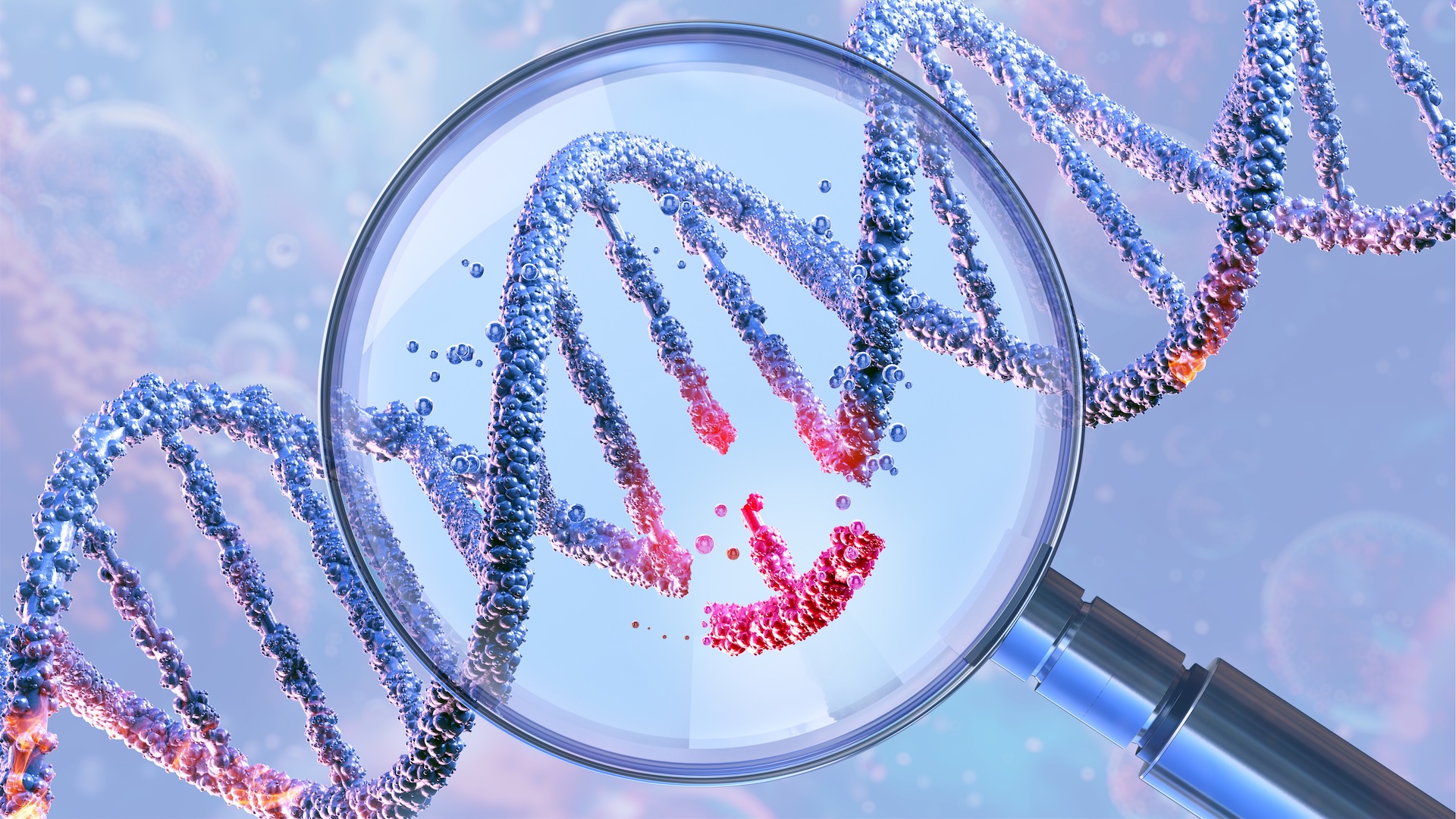
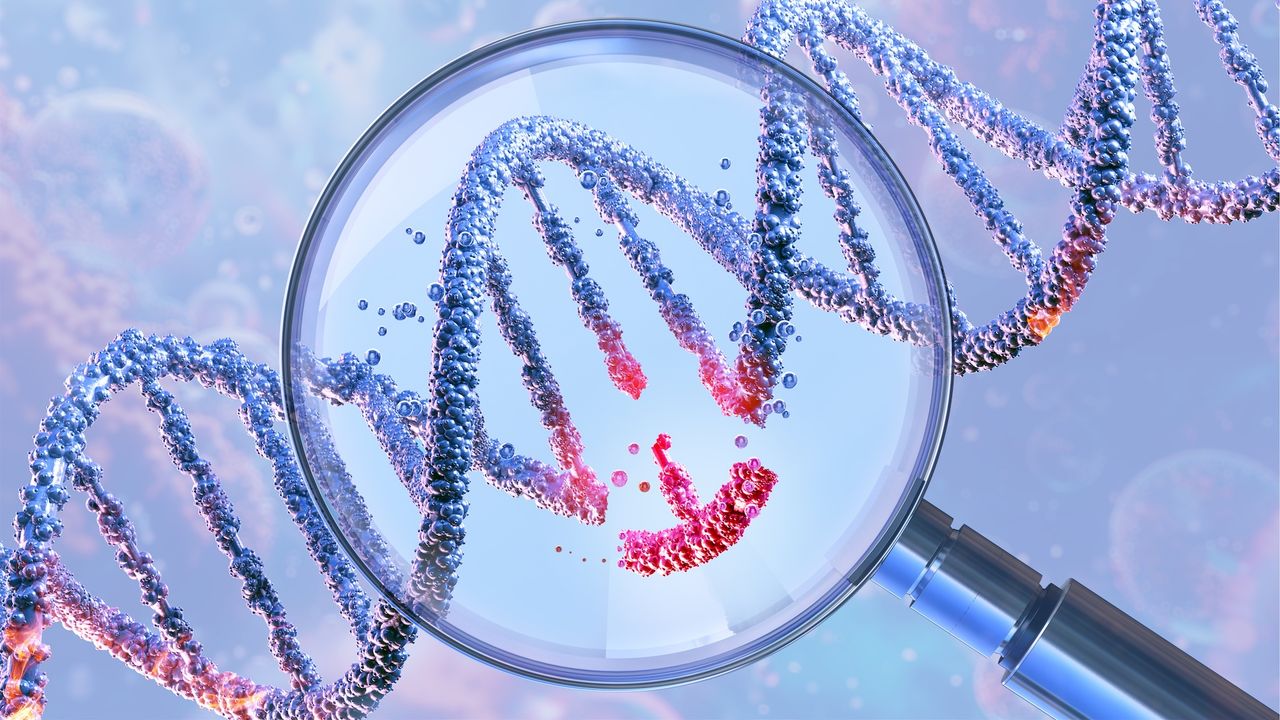
To overcome these hurdles, scientists in Sweden and the United States transplanted islet cells from a donor’s pancreas that had been genetically modified using CRISPR technology to suppress rejection by the recipient’s immune system. This is the first time the treatment has been tested on a human.

Related: CRISPR ‘will provide cures for genetic diseases that were incurable before,’ says renowned biochemist Virginijus Šikšnys

Twelve weeks after receiving the genetically-modified cells, the transplant recipient has continued to produce insulin without an immune response.

Get the world’s most fascinating discoveries delivered straight to your inbox.

In their paper, the authors wrote that their study, although preliminary, suggested that genetically engineering transplant cells to evade the recipient’s immune system was a valuable tool for avoiding rejection of new cells or organs by the immune system.

In this new approach, the researchers used CRISPR to create three changes to the genetic code of the donated cells so that they were less likely to have an immune response.

Two of these edits reduced the levels of proteins on the surface of the cells that signal to our white blood cells about whether a cell is foreign or not. A third edit boosted production of a protein that discourages attack from other immune cells called CD47.

The genetically edited cells were then injected into the man’s forearm. His body left the modified cells alone and the surviving cells produced insulin as normal.

Although the man was given a low dose of the edited cells and will still require daily insulin treatment, the case suggests that the procedure can be done safely.

The researchers’ next step is to carry out follow-up studies to find out whether the cells can survive in the long-term, which would make management of the disease easier and potentially provide a cure. They also need to do further tests to determine whether the approach works in other patients.

Source link

Share. Facebook Twitter Pinterest LinkedIn Tumblr Email
Previous ArticleViral Cincinnati beatings suspect hit with federal firearm charge
Next Article Man accused of hurling sandwich at federal agent in D.C. gets hit with felony assault charge
Editor
  • Website

Related Posts

Lifestyle

‘The scientific cost would be severe’: A Trump Greenland takeover would put climate research at risk

January 17, 2026
Lifestyle

New ‘Transformer’ humanoid robot can launch a shapeshifting drone off its back — watch it in action

November 19, 2025
Lifestyle

Medieval spear pulled from Polish lake may have belonged to prince or nobleman

November 19, 2025
Add A Comment

Comments are closed.

Categories
  • Entertainment
  • Lifestyle
  • News
  • Sports
  • Tech
  • Travel
Recent Posts
  • George Kittle’s wife shares live reaction to Achilles injury
  • ‘The scientific cost would be severe’: A Trump Greenland takeover would put climate research at risk
  • Headlines Across OC as Angel Stadium Sale Debate Intensifies
  • Anti-Islam activists clash with pro-Muslim counter-protesters in Dearborn, Michigan
  • Best monitor deal: Get the 45-inch LG Ultragear gaming monitor for its lowest price yet
calendar
February 2026
M T W T F S S
 1
2345678
9101112131415
16171819202122
232425262728  
« Jan    
Recent Posts
  • George Kittle’s wife shares live reaction to Achilles injury
  • ‘The scientific cost would be severe’: A Trump Greenland takeover would put climate research at risk
  • Headlines Across OC as Angel Stadium Sale Debate Intensifies
About

Welcome to Baynard Media, your trusted source for a diverse range of news and insights. We are committed to delivering timely, reliable, and thought-provoking content that keeps you informed
and inspired

Categories
  • Entertainment
  • Lifestyle
  • News
  • Sports
  • Tech
  • Travel
Facebook X (Twitter) Pinterest WhatsApp
  • Contact Us
  • About Us
  • Privacy Policy
  • Disclaimer
  • UNSUBSCRIBE
© 2026 copyrights reserved

Type above and press Enter to search. Press Esc to cancel.