Close Menu
  • Home
  • UNSUBSCRIBE
  • News
  • Lifestyle
  • Tech
  • Entertainment
  • Sports
  • Travel
Facebook X (Twitter) WhatsApp
Trending
  • Aspen trees provide a natural buffer against wildfires, even as fire season intensifies, study shows
  • Ancient bullets reveal where a Roman camp hid in the Pyrenees of Spain before being ambushed
  • First deaths from Cyclospora outbreak reported in Michigan
  • Scientists uncover big clue as to how Antarctica’s mysterious Blood Falls came to be
  • ‘Poop pills’ may ease insomnia by reprogramming the gut microbiome, early study hints
  • Did fungi give mammals an evolutionary edge after the dinosaur-killing asteroid hit? New evidence revives a provocative hypothesis
  • Diagnostic dilemma: Rare ‘spinal stroke’ struck an 8-year-old and temporarily paralyzed her
  • Buck Moon 2026: July’s full moon rises tonight, setting up a month of solar and lunar eclipses
Facebook X (Twitter) WhatsApp
Baynard Media
  • Home
  • UNSUBSCRIBE
  • News
  • Lifestyle
  • Tech
  • Entertainment
  • Sports
  • Travel
Baynard Media
Home»Lifestyle»A Texas-size chunk of winter sea ice is missing from Antarctica — and it’s probably not coming back
Lifestyle

A Texas-size chunk of winter sea ice is missing from Antarctica — and it’s probably not coming back

EditorBy EditorJune 16, 2026No Comments3 Mins Read
Share Facebook Twitter Pinterest LinkedIn Tumblr Reddit Telegram Email
Share
Facebook Twitter LinkedIn Pinterest Email

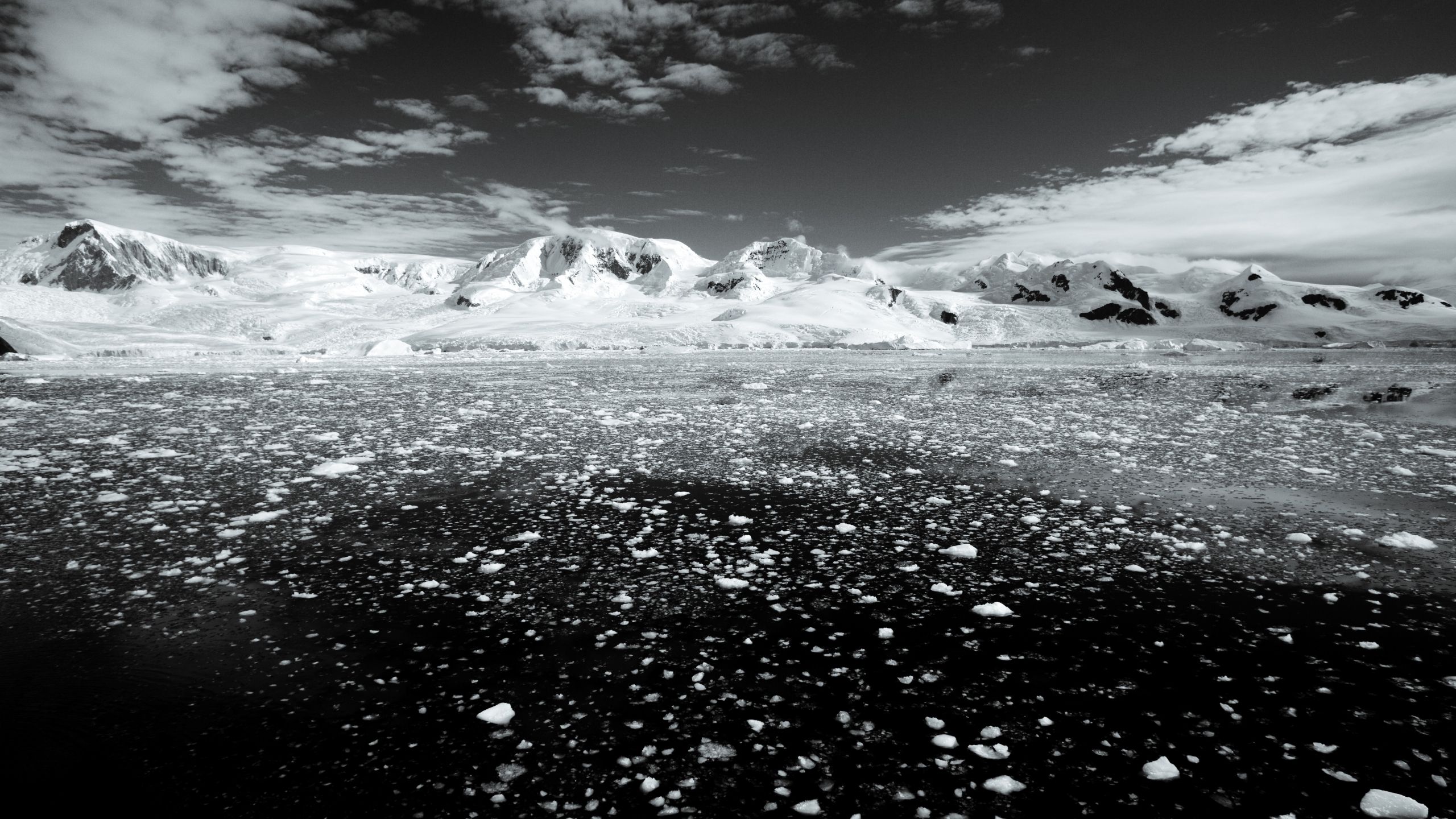
A colossal chunk of sea ice roughly the size of Texas is missing from the west coast of Antarctica, and scientists fear it might never form again.

Antarctica is currently in winter, which runs from March to October on the southernmost continent. During the winter months, floating sea ice surrounding the continent typically grows, driving currents that regulate Earth’s climate. But this year, there’s a notable ice gap over the Bellingshausen Sea, on the western side of the Antarctic Peninsula.

Satellite observations have revealed that around 250,000 square miles (650,000 square kilometers) of sea ice hasn’t formed yet, compared with the average amount of sea ice between 1991 and 2020, The Guardian reported last week. For comparison, the ice gap covers an area slightly larger than France or nearly the size of Texas.

Will Hobbs, a sea ice-ocean interaction scientist at the University of Tasmania, told The Guardian that he was “concerned” by the lack of sea ice and that it was “depressing.” Hobbs noted that this year represents the third time in four years that the region’s sea has been very low.

“I don’t think we will see sea ice there any more,” he said. “It’s done.”


You may like

Researchers still have a lot to learn about sea ice changes in Antarctica. Hobbs said that the sea ice loss was likely linked to changes in the ocean and that scientists are trying to determine whether global warming was a factor.

Sea ice has declined much more slowly in Antarctica than in the Arctic. But in recent years, scientists have been witnessing an astonishing change in the sea ice extent. One record low in 2016 was followed by another in 2022 and then a third in 2023.

Get the world’s most fascinating discoveries delivered straight to your inbox.

Edward Doddridge, a physical oceanographer at the Institute for Marine and Antarctic Studies in Australia, told ABC News (Australia) that he was no longer surprised by sea ice loss.

“It’s not good news, but it has become a pattern that we’re expecting now,” Doddridge said. “A warming world is going to have less sea ice.”

The diminished winter sea ice is likely to have a variety of knock-on effects. For example, this area of sea ice normally provides important habitat for animals like krill and penguins. Sea ice also plays an important role in regulating the climate, including by driving key ocean currents, insulating the ocean from the sun, and protecting ice shelves at the mouths of glaciers.

Down the coast from the missing sea ice, researchers have warned that a key ice shelf is about to disintegrate from Antarctica’s Thwaites Glacier — nicknamed the “Doomsday Glacier” because its collapse could raise sea levels by 2.1 feet (65 centimeters) in the coming centuries, flooding coastal communities worldwide. The ice shelf helps protect the mouth of the glacier by acting as a buttress, thereby restraining the flow of ice from the glacier into the sea.

Thwaites Glacier has been melting rapidly since the 1980s, which is part of a wider concern for the West Antarctic Ice Sheet that it helps to support. The collapse of such an ice sheet is considered one of the major environmental tipping points, or “points of no return,” that humanity must avoid in the fight to rein in climate change.

Source link

Share. Facebook Twitter Pinterest LinkedIn Tumblr Email
Previous ArticleEarth-based telescope shares image of Artemis II capsule near the moon — one of the farthest photos of humans ever taken
Next Article 5,000-year-old burial of man with battered skull found in kiln in Germany — and he may have been a human sacrifice
Editor
  • Website

Related Posts

Lifestyle

Aspen trees provide a natural buffer against wildfires, even as fire season intensifies, study shows

August 4, 2026
Lifestyle

Ancient bullets reveal where a Roman camp hid in the Pyrenees of Spain before being ambushed

August 4, 2026
Lifestyle

First deaths from Cyclospora outbreak reported in Michigan

August 3, 2026
Add A Comment

Comments are closed.

Categories
  • Entertainment
  • Lifestyle
  • News
  • Sports
  • Tech
  • Travel
Recent Posts
  • Aspen trees provide a natural buffer against wildfires, even as fire season intensifies, study shows
  • Ancient bullets reveal where a Roman camp hid in the Pyrenees of Spain before being ambushed
  • First deaths from Cyclospora outbreak reported in Michigan
  • Scientists uncover big clue as to how Antarctica’s mysterious Blood Falls came to be
  • ‘Poop pills’ may ease insomnia by reprogramming the gut microbiome, early study hints
calendar
August 2026
M T W T F S S
 12
3456789
10111213141516
17181920212223
24252627282930
31  
« Jul    
Recent Posts
  • Aspen trees provide a natural buffer against wildfires, even as fire season intensifies, study shows
  • Ancient bullets reveal where a Roman camp hid in the Pyrenees of Spain before being ambushed
  • First deaths from Cyclospora outbreak reported in Michigan
About

Welcome to Baynard Media, your trusted source for a diverse range of news and insights. We are committed to delivering timely, reliable, and thought-provoking content that keeps you informed
and inspired

Categories
  • Entertainment
  • Lifestyle
  • News
  • Sports
  • Tech
  • Travel
Facebook X (Twitter) Pinterest WhatsApp
  • Contact Us
  • About Us
  • Privacy Policy
  • Disclaimer
  • UNSUBSCRIBE
© 2026 copyrights reserved

Type above and press Enter to search. Press Esc to cancel.