
Using ancient-DNA analysis, researchers have identified the presence of Streptococcus pyogenes, or group A strep, in a 700-year-old mummy from Bolivia, confirming that strep infections were present in the Americas prior to European exploration. The strain of strep discovered in the mummy is similar to modern ones that can cause strep throat and scarlet fever.
This is the first time group A strep has been identified in archaeological remains, the researchers said.
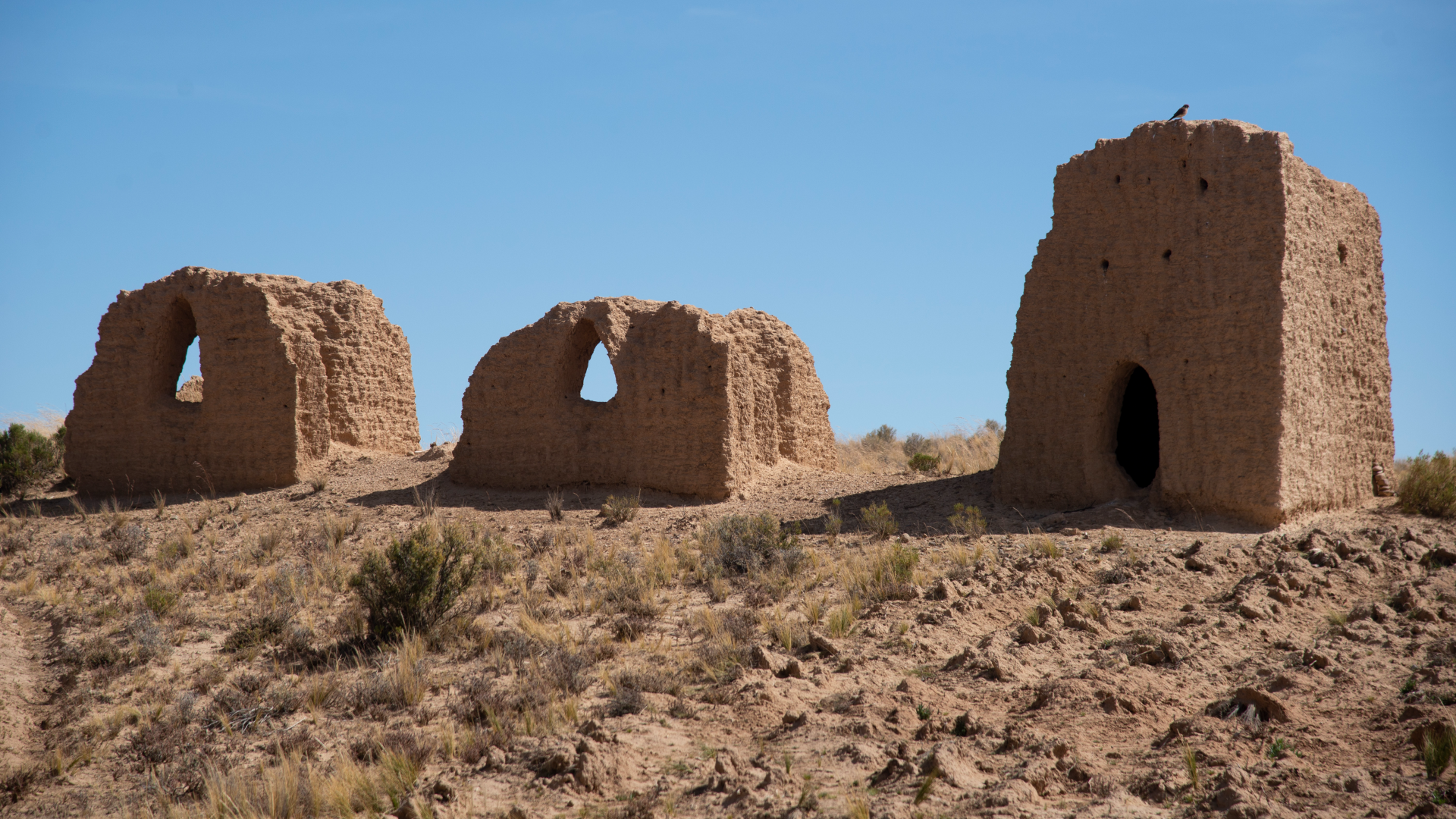
Maixner and colleagues had been studying naturally mummified remains found in “chullpas,” a type of ancient funeral tower, across the Andean Plateau in Bolivia. These people were buried in the Late Intermediate Period (1000 to 1450), after the collapse of a pre-Inca civilization known as Tiwanaku but before the rise of the Inca Empire.
When analyzing one particular mummy — a young adult male with a modified skull who lived sometime between 1283 and 1383 — the researchers found DNA from several different bacteria, including S. pyogenes and Clostridium botulinum, which can cause botulism.
“The detection of Streptococcus pyogenes was particularly significant,” the researchers wrote in the study. “Despite its presence in modern outbreaks, this pathogen has not yet been detected in ancient times.”
Group A strep is found globally today and is responsible for a spectrum of diseases, from mild conditions like strep throat to life-threatening infections like necrotizing fasciitis. The bacterium also causes scarlet fever, an illness that was historically one of the leading causes of childhood mortality prior to the development of antibiotics in the 1940s.
Despite the worldwide ubiquity of strep for centuries, information about the evolution of the bacterium has come only from modern strains, leaving unanswered questions about whether it was present in the Americas prior to European colonization.
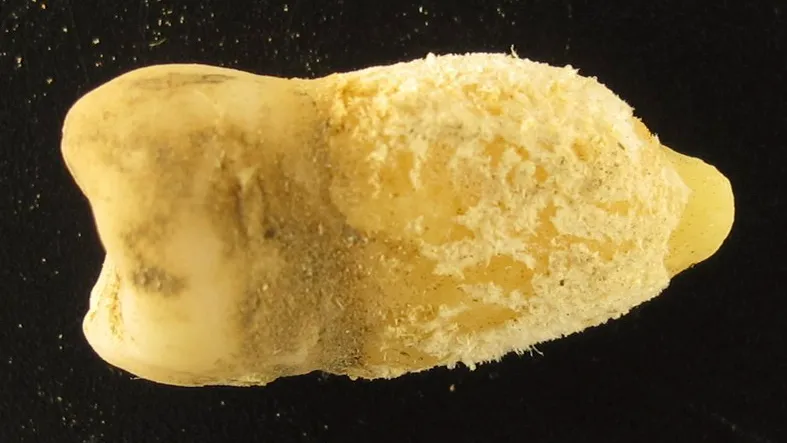
In the new study, however, the researchers were able to isolate a near-complete genome of S. pyogenes from one tooth of the Bolivian mummy. At 700 years old, the genome is the earliest confirmed occurrence of this bacterium in the Americas, the researchers wrote.
DNA analysis also revealed that the ancient Bolivian strep strain diverged from all other S. pyogenes lineages around 10,000 years ago. This time frame may have coincided with humans’ first foray into the Andes, as they encountered previously unknown animals that may have carried the pathogen, the researchers noted in the study.
It’s not yet clear, though, which diseases caused by group A strep were present in pre-Hispanic Bolivia. The genome that the researchers identified is most similar to modern strains that are “throat specialists,” or the strains that cause strep throat and scarlet fever rather than skin conditions like impetigo and “flesh-eating disease.” These strains of strep also increase in prevalence in cooler months, which align with the climate of the Bolivian highlands, which were cold and dry.
The young adult whose skeleton was positive for strep DNA lived in a society with increasing population density and high rates of migration, and the researchers found from his bones that his nutritional status was likely below average. All of this evidence “could impact immune function and susceptibility to such ancient infections or potential outbreaks in the past,” they wrote, but they can’t confirm exactly how the man died.
Evidence from the new Bolivian strain of strep is consistent with an American origin for the pathogen, the researchers wrote. But because this is the first time group A strep has been identified in ancient remains, the researchers noted that additional work is sorely needed, including a broader dataset of ancient and modern S. pyogenes genomes from Europe, Africa, Asia and the Americas. Amassing that information could help experts unravel the evolutionary history of strep and the impact it had on the lives and deaths of ancient people.
Valverde, G., Sarhan, M.S., Cook, R., Rota-Stabelli, O., Adriaenssens, E.M., Zink, A., Maixner, F. (2026). An ancient genome of Streptococcus pyogenes from a pre-Columbian Bolivian mummy. Nature Communications. https://doi.org/10.1038/s41467-026-71603-9
