
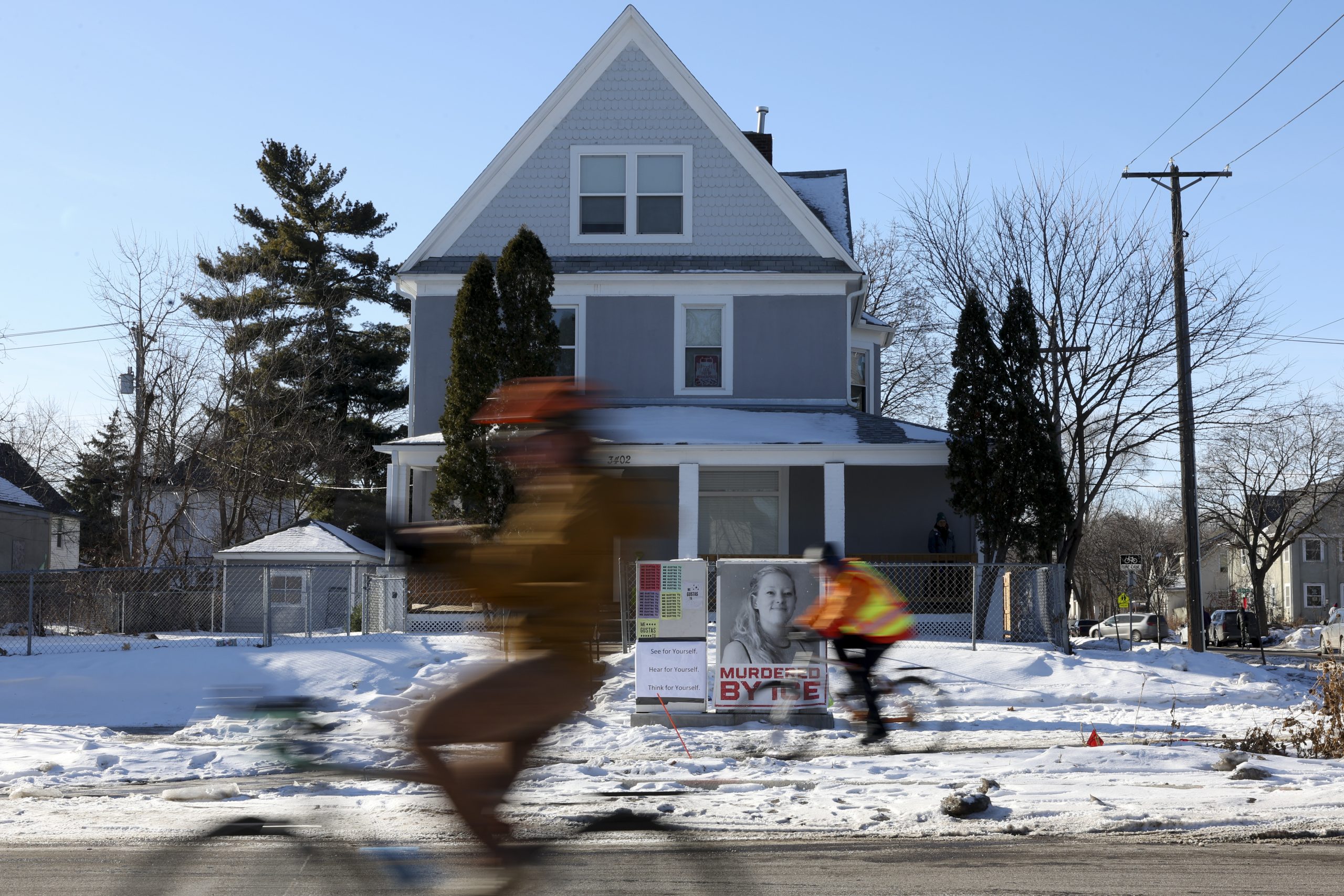
A newly formed Twin Cities tenant union demanding protections for renters is gearing up for a March 1 rent strike and trying to convince thousands of Minnesotans to join them.
The move is another attempt to push Gov. Tim Walz and other local and state leaders to take actions, including issuing a statewide eviction moratorium and prioritizing rent relief funds, in response to the effects of Operation Metro Surge, which left many in the Twin Cities afraid to leave their homes, much less go to work.
And while both Minneapolis and St. Paul have taken steps in recent weeks to redirect more than a million dollars of their budgets toward emergency rent relief, the need is far greater. A 2025 report from the state’s housing finance agency, published prior to Operation Metro Surge, estimated that it would take $350 million to meet the emergency assistance needs of the state’s low-income households alone.
So some activists are hoping that by withholding their rent money, local leaders will feel pressured to make headway on their goals.
“Rent in this economy is power,” said Jennifer Arnold, the executive director of United Renters for Justice, one of the organizations that worked to launch Twin Cities Tenants. “It’s what keeps things moving.”
Tenant unions, made possible by state legislation that went into effect in early 2025, allow tenants to organize to improve living conditions. But the risks of a strike are formidable. Rent strikes are not protected by law in Minnesota, according to Homeline, a Minnesota-based tenant advocacy organization. And anyone who participates could face late fees, hits to their credit report or even eviction.
Related: Minnesota nonprofits are in a race to distribute millions in mutual aid to tenants facing eviction
Those were real concerns for Nadia Langley, a tenant organizer in Minneapolis who’s pledged to join the strike if the union votes to authorize it. But she said the risks don’t outweigh her belief that steps like the eviction moratorium simply have to happen.
“We are in an unprecedented time,” Langley said, “and we are taking unprecedented action.”
The push for the rent strike came together quickly. Twin Cities Tenants launched on Jan. 30; the campaign for the strike began on Feb. 17.
But the group is well-connected, working with several labor unions in the Twin Cities representing nearly 43,000 workers, including the Service Employees International Union, and progressive organizing groups like TakeAction Minnesota.
Twin Cities Tenants is counting on commitments from union workers as well as additional people convinced by the group’s phone-banking and door-knocking throughout the Twin Cities. If they collect pledges from 10,000 people, they’ll move to their next step on Feb. 28: a vote to authorize the strike.
Ten thousand renters on strike would represent an estimated $15 million, organizers said – an economic disruption they believe would be significant enough to accelerate their goals.
If the strike is authorized, a ticking clock would start for those who withhold their rent. First, property owners would mail or hand-deliver a pre-eviction notice to renters who haven’t paid. In Minneapolis, if the rent isn’t paid within 30 days of the notice, the eviction process can begin. In St. Paul, that period is only 14 days.
Minneapolis’ timeline could be extended if the city council passes an upcoming ordinance looking to extend the timeline to 60 days.
Related: Walz administration asks activists to back off on calls for COVID-era rent strike in Minnesota
While reaching that point is obviously something the organizers would like to avoid, Arnold pitched it as a potential success given the strain it would place on landlords and banks.
“Imagine 10,000 eviction summons,” she said. “It would be slow.”
Organizers praised the work of those who have spent recent months fundraising for neighbors and strangers alike, raising millions of dollars to support people struggling to pay their rent.
“I think that’s really just a show of how the neighborhood organizing in the Twin Cities has blossomed in the past weeks,” Langley said. “And also just not at all enough.”
Cecil Smith, the president and CEO of the Minnesota Multi Housing Association, which has 2,400 members who manage and own over 300,000 units of housing in the state, wouldn’t comment on the rent strike but said, “I believe renters are going to pay their rent.”
He added that in an informal survey of the association’s board members, who own and manage about 40,000 units ranging from subsidized affordable housing to expensive Class A housing, rent collections in January and February were relatively stable and comparable to the same months in 2025.
March, though, could be a different story, and Arnold wants to do what she can.
“We didn’t show up for each other to protect our neighbors from ICE kidnappings to have them displaced two months later,” she said.
Editor’s note: This story has been updated to clarify that TakeAction Minnesota is a progressive organizing group.
