
Exercise has big benefits for the brain, but the exact reasons why have been mysterious. Now, new studies suggest that exercised muscles release brain-boosting substances into the blood — and at least in lab animals, that boost can be transferred from one individual to another via an injection of those substances.
Previously, common explanations for why regular physical activity is good for the brain pointed to better blood flow, less stress and a stronger heart. But those ideas didn’t fully explain how movement directly affected neurons.
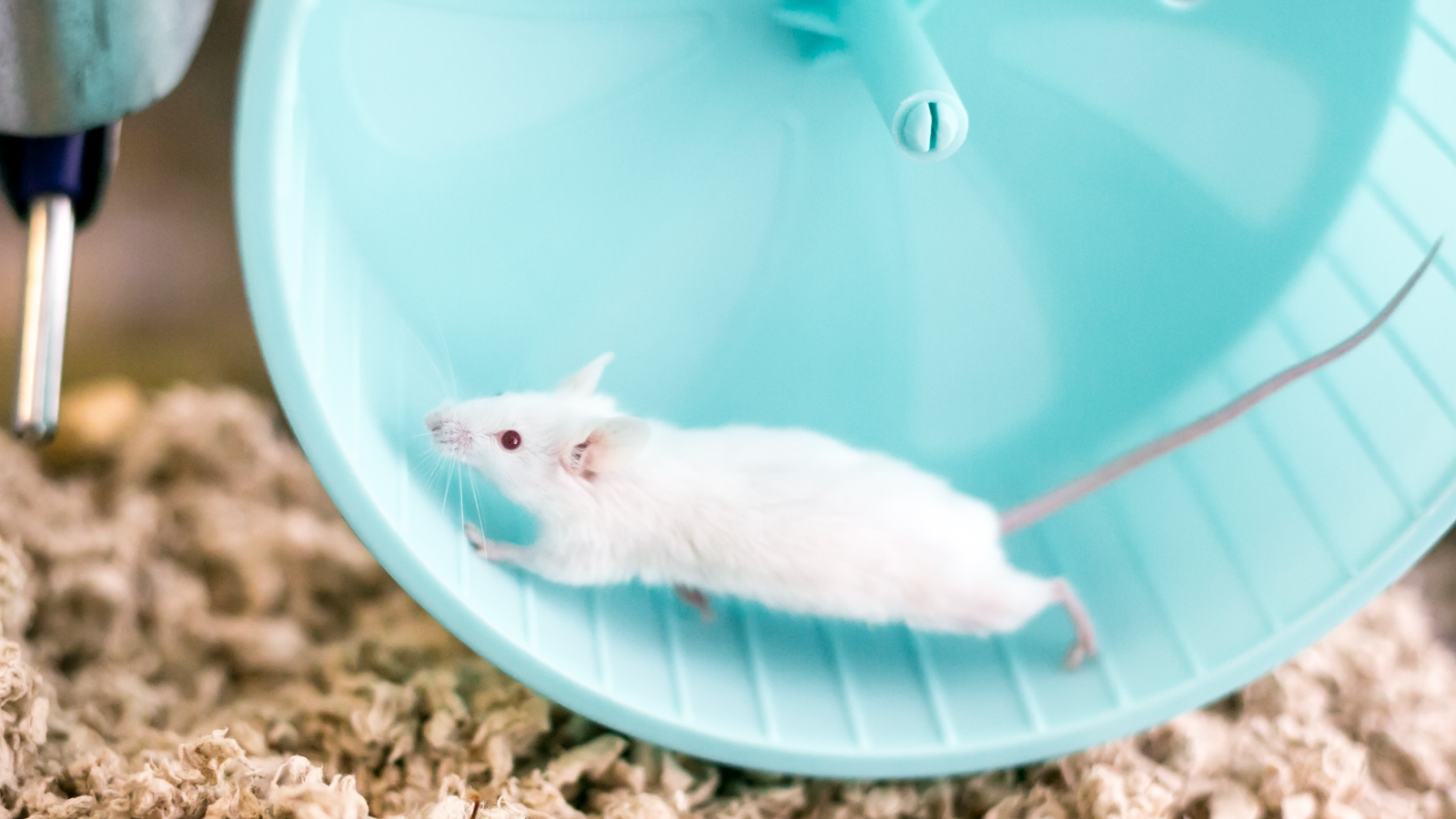
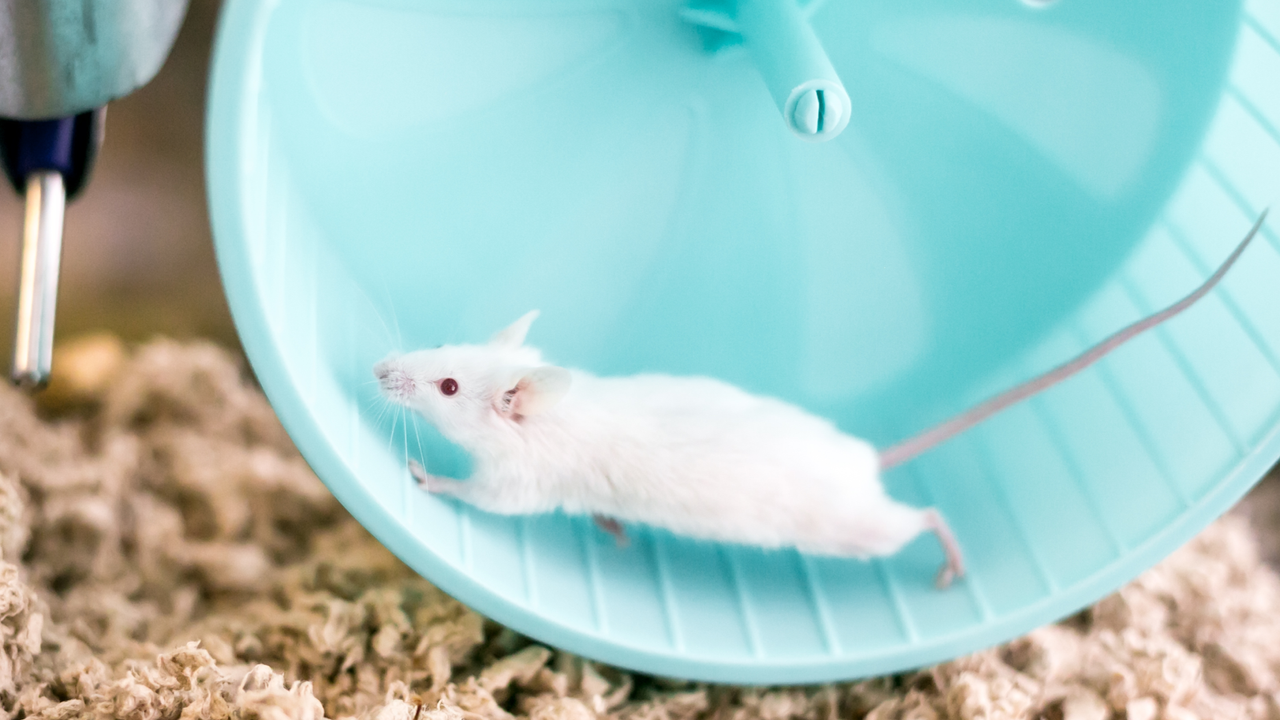
Clues are emerging from animal research. In a study published in October in the journal Brain Research, one group of young adult mice ran freely on wheels for four weeks while others stayed sedentary. Scientists then isolated extracellular vesicles — molecular “packages” that carry proteins and genetic material — from the runners’ blood and injected them into the sedentary mice.
After getting these injections twice a week for four weeks, these treated sedentary mice grew about 50% more new brain cells in a memory-related region called the hippocampus, compared with untreated sedentary mice. Most of the new cells developed into mature neurons, a process known as neurogenesis. (For humans, there’s ongoing debate around whether neurogenesis occurs in meaningful amounts in the adult brain.)
First study author Meghan Connolly, a postdoctoral researcher at the University of Alberta, told Live Science in an email that she was struck by how specific the effect was — vesicles isolated from running mice boosted neuron growth, while those from sedentary animals did not. The researchers don’t yet know whether the vesicles entered the brain or acted indirectly through other bodily signals. But Connolly explained that the vesicles themselves carried many proteins linked to antioxidant defenses and neurogenesis.
Notably, this surge in new brain cells may matter only if those cells survive long enough to fully integrate into the brain’s existing structure, said Paul Lucassen, a neuroscientist at the University of Amsterdam who was not part of the study. The study zoomed in on “newborn neurons that still need weeks to grow and wire themselves into the brain’s existing circuits,” he told Live Science in an email. “Only when they find their place in the network can they help shape learning and memory.”
Connolly said the next step is to test whether these vesicles can restore neurogenesis and improve memory in laboratory models of brain diseases — avenues that some researchers are already exploring.
In another study, published earlier this year in the journal iScience, scientists used a well-established mouse model of Alzheimer’s disease (AD). In AD, neurons malfunction and die off over time in part due to a buildup of abnormal proteins, including amyloid and tau. In the experiment, one set of mice ran voluntarily on wheels for six months while another group was sedentary; the active mice showed less amyloid buildup in the cortex and better metabolism and memory than their counterparts.
In another part of that study, the researchers gave vesicles from mice that had just exercised to sedentary Alzheimer’s-model animals. The vesicles, delivered through the nose, reproduced the metabolic benefits but didn’t improve memory or clearly reduce amyloid levels, they found.
Mark Febbraio, a professor at Monash University and a member of the research team, explained that the intranasal delivery method may have affected memory outcomes because it requires light anesthesia. He told Live Science in an email that his group is now running follow-up experiments with human participants, comparing vesicles heading to and from the brain during exercise. Preliminary results hint that the vesicles heading toward the brain may be enriched for proteins affecting cognition.
But vesicles may be only one piece of this puzzle. Other recent studies in humans suggest that regular exercise likely helps the brain via multiple biological pathways. As Joram Mul, an exercise neurobiologist at the University of Amsterdam, put it, exercise stirs the entire body — muscles, nerves, and even gut microbes — into motion.
“It’s a whole-body effect,” Mul said, “not a single factor explaining all, but a symphony of multiple factors and processes,” playing in perfect harmony.
