Close Menu
  • Home
  • UNSUBSCRIBE
  • News
  • Lifestyle
  • Tech
  • Entertainment
  • Sports
  • Travel
Facebook X (Twitter) WhatsApp
Trending
  • Manhattan Project physicist Richard Feynman’s forgotten notes on ‘the restaurant problem’ deciphered after 50 years
  • Doctors need to understand patients’ lived experiences to treat them well—but medical schools may stop requiring that training | Naa Asheley Ashitey
  • Italian teenagers discover 1,800-year-old Roman luxury house underneath their high school gym
  • Roman bath clog: The world’s oldest shower shoes were found at a fort along Hadrian’s Wall
  • Sea ice loss in the Arctic has triggered a critical tipping point that’s destroying the food chain
  • ‘A disease anywhere can be a disease everywhere tomorrow morning’: Public health expert on Ebola and the threat of future outbreaks
  • Thanks to natural selection, Indigenous Andeans may digest potatoes better than anyone else in the world, study finds
  • Doctors need to understand patients' lived experiences to treat them well — but medical schools may stop requiring that training
Facebook X (Twitter) WhatsApp
Baynard Media
  • Home
  • UNSUBSCRIBE
  • News
  • Lifestyle
  • Tech
  • Entertainment
  • Sports
  • Travel
Baynard Media
Home»Lifestyle»Roos Carr figures: Creepy 2,600-year-old carvings with ‘removable genitalia’ and eyes that may have symbolized Odin’s soothsayer powers
Lifestyle

Roos Carr figures: Creepy 2,600-year-old carvings with ‘removable genitalia’ and eyes that may have symbolized Odin’s soothsayer powers

EditorBy EditorOctober 20, 2025No Comments3 Mins Read
Share Facebook Twitter Pinterest LinkedIn Tumblr Reddit Telegram Email
Share
Facebook Twitter LinkedIn Pinterest Email

QUICK FACTS

Name: Roos Carr figures

What it is: A set of figurines carved from yew wood and quartzite

Where it is from: Roos Carr, East Yorkshire, U.K.

When it was made: Circa 600 to 500 B.C.

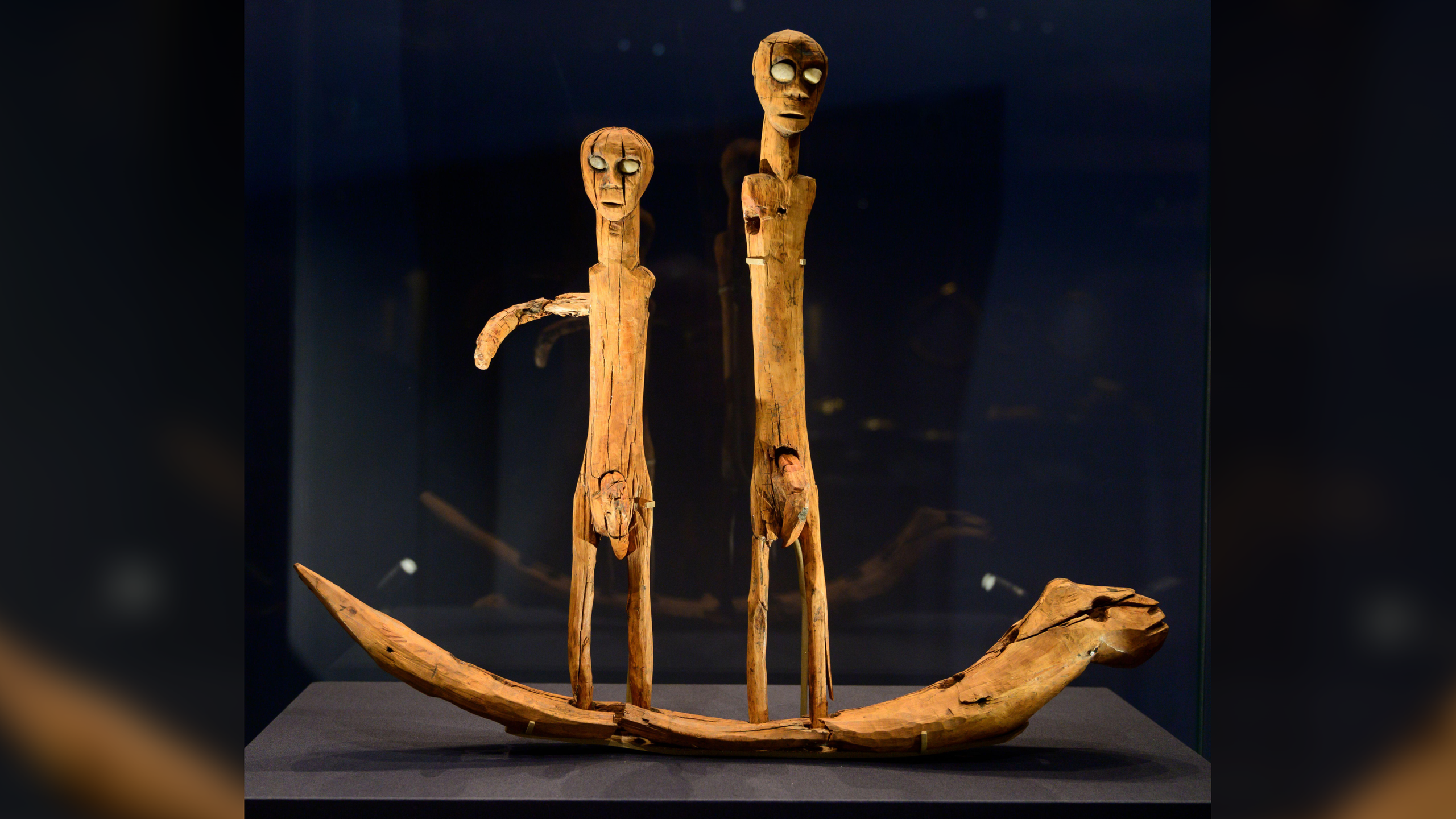
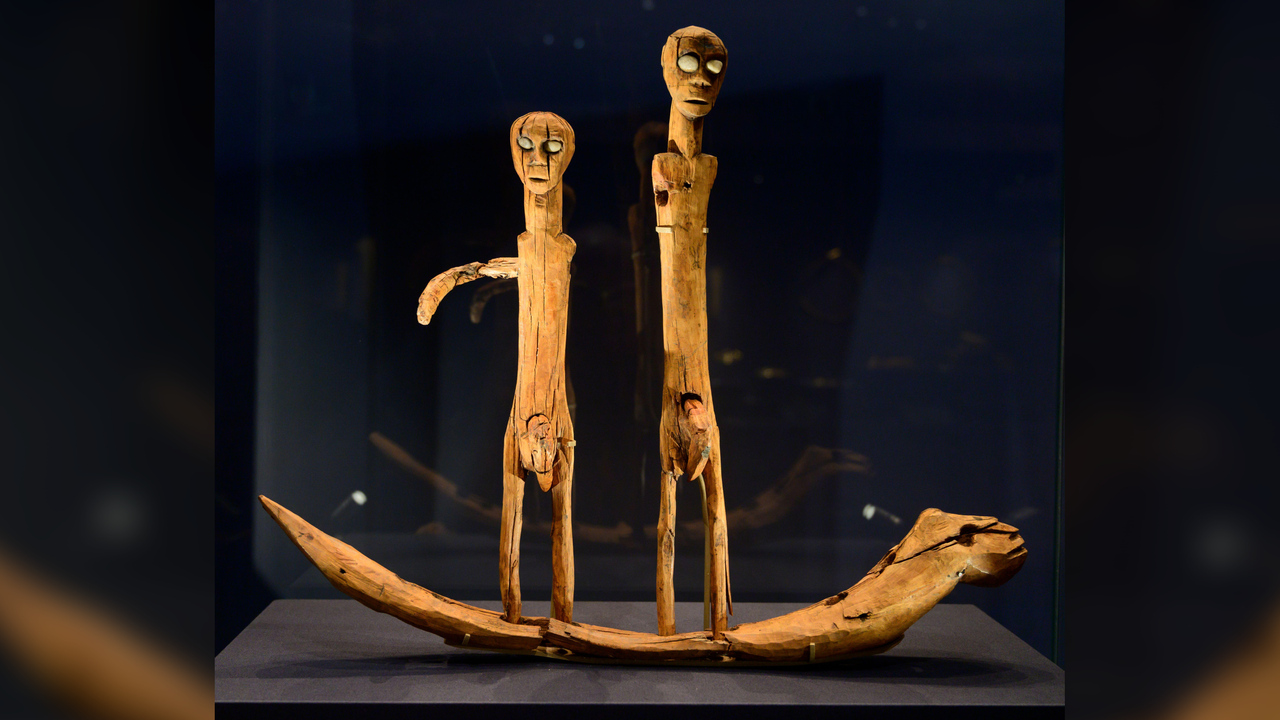
This set of carved figurines was discovered in the parish of Roos, on England’s east coast. The carvings, which have been carbon-dated to the Late Bronze Age, may have been offered to the god Odin.

When laborers were digging a drainage ditch in 1836, they discovered a set of eight human figures, two miniature boats and an assortment of arms and tiny weapons underneath a layer of blue clay. Three of the figures and one of the boats were in poor condition and unable to be removed.

The Roos Carr figurines have been studied for decades at the Hull and East Riding Museum of Archaeology, where they were originally donated in the late 19th century. Carved from yew wood, the human figures range from 14 to 16 inches (35 to 41 centimeters) tall, and their heads are inset with quartzite eyes. The sea serpent-headed boat includes partially drilled holes that could support up to four figurines.

Although a handful of similar figurines exist in England and Ireland, their meaning continues to elude experts. According to a 1990 study, one of the earliest theories put forth was that the eight original Roos Carr figurines represented the eight people on Noah’s Ark. Another early theory suggested that the carvings were “sinister cult figures.”

But the figurines may have actually been deposited in some sort of ritual related to the god Odin or his earlier incarnation called Ull, according to the Hull and East Riding Museum of Archaeology. A wizard and a shape-shifter, Odin is associated with yew trees. He also had only one good eye, having sacrificed the other one to see the future. The quartzite eyes of the wooden figurines are noticeably different sizes.

An additional clue is found in the figurines’ groins. Small curved pieces of wood can be put into the drilled holes, making them detachable or “removable genitalia,” according to the museum. But when the pieces are absent, the figurines can be seen as female. Odin was known to shape-shift into female form as well as into the form of a sea serpent.

MORE ASTONISHING ARTIFACTS

The Roos Carr figurines “challenge our modern day conception of gender identity and gender roles,” according to the museum, because the figures also have shields and clubs with them, which are usually associated with male warriors.

The fact that the figurines were discovered under a layer of clay suggests they were deposited in or near water around 2,600 years ago, according to the museum, which was a common place for ritual offerings in prehistoric times.

For more stunning archaeological discoveries, check out our Astonishing Artifacts archives.

Source link

Share. Facebook Twitter Pinterest LinkedIn Tumblr Email
Previous ArticleTrump strikes alleged Venezuelan drug boats as pressure mounts on Maduro regime
Next Article Video shows Israeli airstrikes on Gaza neighborhood
Editor
  • Website

Related Posts

Lifestyle

Manhattan Project physicist Richard Feynman’s forgotten notes on ‘the restaurant problem’ deciphered after 50 years

June 9, 2026
Lifestyle

Doctors need to understand patients’ lived experiences to treat them well—but medical schools may stop requiring that training | Naa Asheley Ashitey

June 9, 2026
Lifestyle

Italian teenagers discover 1,800-year-old Roman luxury house underneath their high school gym

June 9, 2026
Add A Comment

Comments are closed.

Categories
  • Entertainment
  • Lifestyle
  • News
  • Sports
  • Tech
  • Travel
Recent Posts
  • Manhattan Project physicist Richard Feynman’s forgotten notes on ‘the restaurant problem’ deciphered after 50 years
  • Doctors need to understand patients’ lived experiences to treat them well—but medical schools may stop requiring that training | Naa Asheley Ashitey
  • Italian teenagers discover 1,800-year-old Roman luxury house underneath their high school gym
  • Roman bath clog: The world’s oldest shower shoes were found at a fort along Hadrian’s Wall
  • Sea ice loss in the Arctic has triggered a critical tipping point that’s destroying the food chain
calendar
June 2026
M T W T F S S
1234567
891011121314
15161718192021
22232425262728
2930  
« May    
Recent Posts
  • Manhattan Project physicist Richard Feynman’s forgotten notes on ‘the restaurant problem’ deciphered after 50 years
  • Doctors need to understand patients’ lived experiences to treat them well—but medical schools may stop requiring that training | Naa Asheley Ashitey
  • Italian teenagers discover 1,800-year-old Roman luxury house underneath their high school gym
About

Welcome to Baynard Media, your trusted source for a diverse range of news and insights. We are committed to delivering timely, reliable, and thought-provoking content that keeps you informed
and inspired

Categories
  • Entertainment
  • Lifestyle
  • News
  • Sports
  • Tech
  • Travel
Facebook X (Twitter) Pinterest WhatsApp
  • Contact Us
  • About Us
  • Privacy Policy
  • Disclaimer
  • UNSUBSCRIBE
© 2026 copyrights reserved

Type above and press Enter to search. Press Esc to cancel.