Close Menu
  • Home
  • UNSUBSCRIBE
  • News
  • Lifestyle
  • Tech
  • Entertainment
  • Sports
  • Travel
Facebook X (Twitter) WhatsApp
Trending
  • New robotic heart mimics common, mysterious condition to help researchers study it
  • Canon EOS R6 III review: A wildlife wonder
  • Medieval babies and adults buried together in Sweden were not related, archaeologists discover — raising big questions about early Christian burial practices
  • NASA is creating a fifth state of matter on the ISS, thanks to an upgrade to a mini-fridge-sized quantum lab
  • New sodium metal battery design charges in just 4 minutes and retains its capacity for years
  • Quantum computing wielded to create extremely rare material critical to nuclear fusion
  • Scientists build tiny ‘diving suit’ for cockroaches, turning them into search-and-rescue cyborgs
  • Physicists develop the first working model of quantum mechanics using only ‘real’ numbers
Facebook X (Twitter) WhatsApp
Baynard Media
  • Home
  • UNSUBSCRIBE
  • News
  • Lifestyle
  • Tech
  • Entertainment
  • Sports
  • Travel
Baynard Media
Home»Lifestyle»Corn Moon 2025: How to see the final full moon of summer rise during a ‘blood moon’ lunar eclipse
Lifestyle

Corn Moon 2025: How to see the final full moon of summer rise during a ‘blood moon’ lunar eclipse

EditorBy EditorAugust 31, 2025No Comments2 Mins Read
Share Facebook Twitter Pinterest LinkedIn Tumblr Reddit Telegram Email
Share
Facebook Twitter LinkedIn Pinterest Email

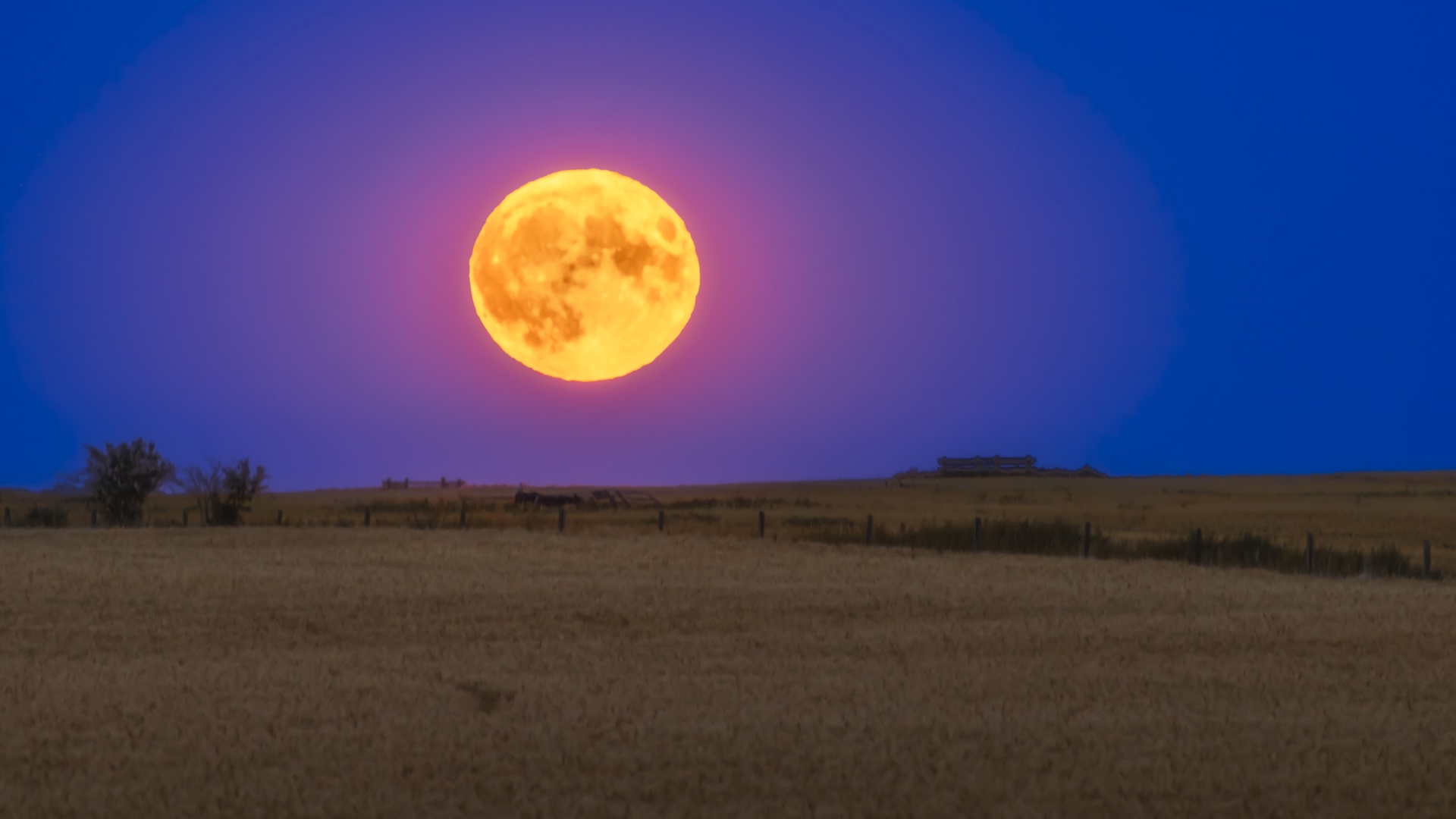
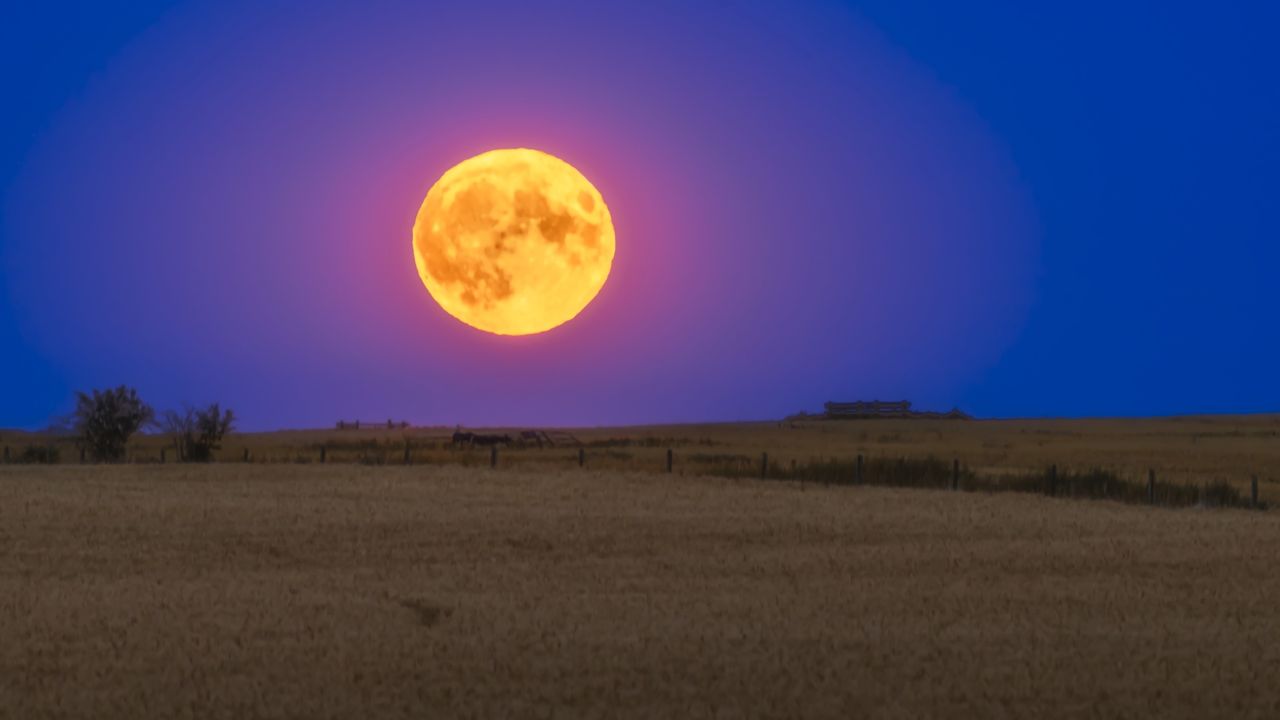
The final full moon of the Northern Hemisphere’s summer will occur on Sunday, Sept. 7, and the best time to see it will be later that day as it rises in the east at dusk.

Although it’s often called the Harvest Moon, September’s full moon is named the Corn Moon this year. That’s because the closest full moon to the equinox on Sept. 22 is traditionally called the Harvest Moon, and this year, that’s October’s full moon (rising Oct 6). This switch-up happens every three years, according to Time and Date.

Other names for September’s full moon include the Wine Moon, the Song Moon and the Barley Moon, while Anishinaabeg people call the September moon “Wabaabagaa Giizis,” which means the “Changing Leaves Moon,” according to the Center for Native American Studies.

Although the moon will be officially full at 2:10 p.m. EDT (18:10 UTC) on Sept. 7, a full moon is best observed as it rises in the east shortly after the sun has set in the west. This month, that happens a few hours after the moon has become full, with the Corn Moon rising a few minutes after sunset across North America.

This year’s Corn Moon is also a total lunar eclipse for viewers in some areas of the world. From Australia, Asia, Africa and parts of Europe, a “blood moon” will be visible for 82 minutes — the longest total lunar eclipse since Nov. 8, 2022. It will be almost identical to the total lunar eclipse seen in North America for 65 minutes on March 14, 2025. However, the Sept. 7 eclipse will occur before moonrise in North America.

You can look at the full moon without any optical aids, but if you catch it at moonrise, stargazing binoculars and backyard telescopes can help reveal details on the lunar surface that are not visible to the naked eye. As the full moon rises, its glare increases significantly, making it difficult to view the moon directly.

The following evening, on Monday, Sept. 8, the waning gibbous moon will have Saturn close by. The ringed planet will be particularly bright because it reaches its annual opposition — when it’s closest to Earth — on Sept. 20.


You may like

Get the world’s most fascinating discoveries delivered straight to your inbox.

After September’s Corn Moon, the next full moon will be the Harvest Moon, which will turn full on Monday, Oct. 6.

Source link

Share. Facebook Twitter Pinterest LinkedIn Tumblr Email
Previous ArticleTop DNC official compares Trump admin to popular carjacking video game
Next Article Sen. James Lankford says he doesn’t think RFK Jr. has ‘gone a wrong direction’ on vaccines
Editor
  • Website

Related Posts

Lifestyle

New robotic heart mimics common, mysterious condition to help researchers study it

July 11, 2026
Lifestyle

Canon EOS R6 III review: A wildlife wonder

July 10, 2026
Lifestyle

Medieval babies and adults buried together in Sweden were not related, archaeologists discover — raising big questions about early Christian burial practices

July 10, 2026
Add A Comment

Comments are closed.

Categories
  • Entertainment
  • Lifestyle
  • News
  • Sports
  • Tech
  • Travel
Recent Posts
  • New robotic heart mimics common, mysterious condition to help researchers study it
  • Canon EOS R6 III review: A wildlife wonder
  • Medieval babies and adults buried together in Sweden were not related, archaeologists discover — raising big questions about early Christian burial practices
  • NASA is creating a fifth state of matter on the ISS, thanks to an upgrade to a mini-fridge-sized quantum lab
  • New sodium metal battery design charges in just 4 minutes and retains its capacity for years
calendar
July 2026
M T W T F S S
 12345
6789101112
13141516171819
20212223242526
2728293031  
« Jun    
Recent Posts
  • New robotic heart mimics common, mysterious condition to help researchers study it
  • Canon EOS R6 III review: A wildlife wonder
  • Medieval babies and adults buried together in Sweden were not related, archaeologists discover — raising big questions about early Christian burial practices
About

Welcome to Baynard Media, your trusted source for a diverse range of news and insights. We are committed to delivering timely, reliable, and thought-provoking content that keeps you informed
and inspired

Categories
  • Entertainment
  • Lifestyle
  • News
  • Sports
  • Tech
  • Travel
Facebook X (Twitter) Pinterest WhatsApp
  • Contact Us
  • About Us
  • Privacy Policy
  • Disclaimer
  • UNSUBSCRIBE
© 2026 copyrights reserved

Type above and press Enter to search. Press Esc to cancel.