Close Menu
  • Home
  • UNSUBSCRIBE
  • News
  • Lifestyle
  • Tech
  • Entertainment
  • Sports
  • Travel
Facebook X (Twitter) WhatsApp
Trending
  • Science news this week: Ötzi the Iceman used to make sourdough, Italian teenagers discover Roman villa under school, Google plans to release 64 million mosquitos, and RIP to NASA’s Maven probe
  • Coming El Niño will be the strongest ever recorded, new forecast predicts
  • World’s largest scorpion had 6-inch pincers, and prowled UK land and waters 415 million years ago
  • Arthritis drug shows antiviral effects against RSV, the leading cause of infant hospitalization
  • Daddy longlegs may be capturing and devouring frogs in the tropical forests of South America
  • Google wants to release 64 million bacteria-riddled mosquitoes across California and Florida. Here’s why scientists are enthusiastic.
  • ‘In an unrecoverable state’: NASA confirms MAVEN spacecraft is officially dead after loss of signal behind Mars
  • 2 rivers merged to form the Euphrates 3.6 million years ago, eventually leading to the Fertile Crescent
Facebook X (Twitter) WhatsApp
Baynard Media
  • Home
  • UNSUBSCRIBE
  • News
  • Lifestyle
  • Tech
  • Entertainment
  • Sports
  • Travel
Baynard Media
Home»Lifestyle»Ocean plate from time of Pangaea is now being torn apart under Iraq and Iran
Lifestyle

Ocean plate from time of Pangaea is now being torn apart under Iraq and Iran

EditorBy EditorFebruary 4, 2025No Comments3 Mins Read
Share Facebook Twitter Pinterest LinkedIn Tumblr Reddit Telegram Email
Share
Facebook Twitter LinkedIn Pinterest Email

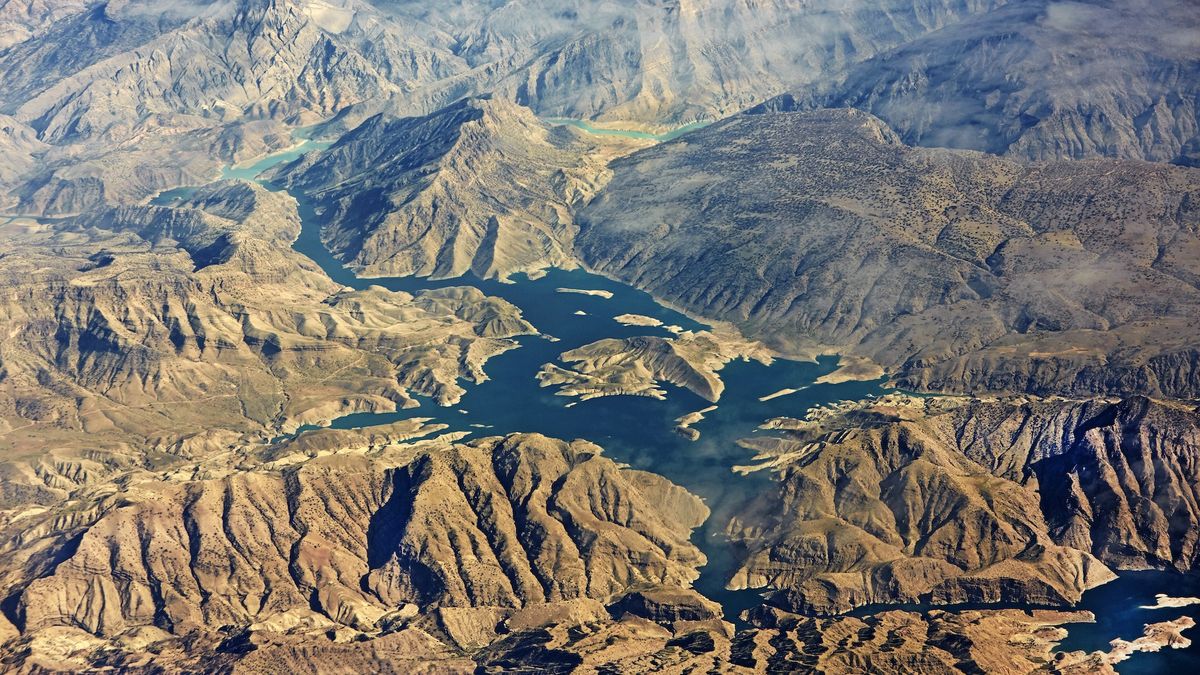
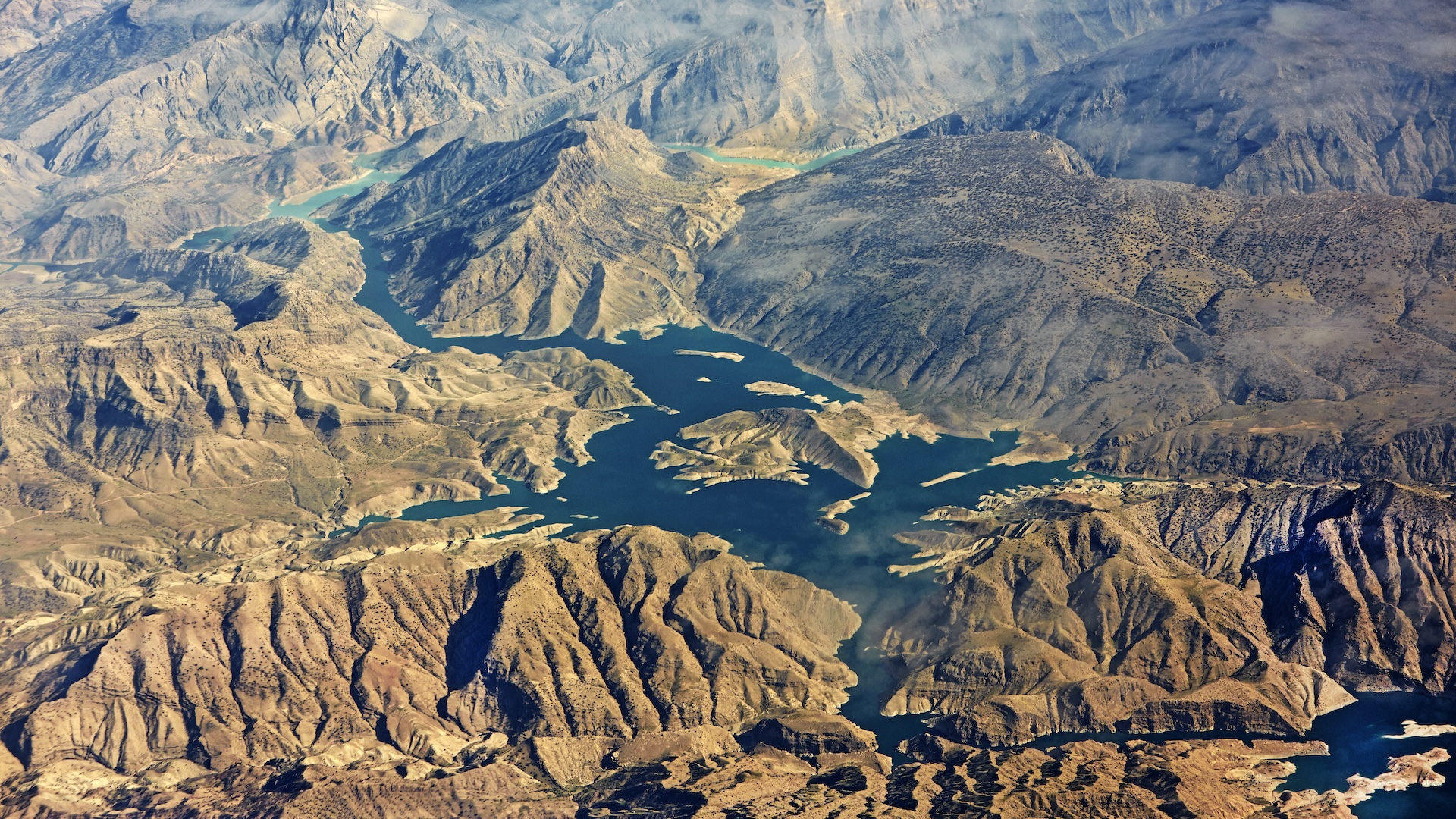
A long-lost oceanic plate is diving deep into the mantle, dragging down the crust above, researchers say. However, the plate is also tearing apart below the Zagros Mountains in Iraq as it plunges downward, taking some of the load off the overlying crust.

This tearing process has likely already occurred on the west side of the mountain range, where Iraq’s Kurdistan region butts up against Turkey, new research finds. The tear is now heading toward northwest Iran.

These dynamics aren’t immediately obvious at the surface, but they reveal how the mantle and crust work together to shape Earth’s topography, the researchers said in the new study, published Nov. 25, 2024 in the journal Solid Earth.

The ocean plate was once the seafloor of Neotethys — an ocean that formed when the supercontinent Pangaea broke up into a northern continent, Laurasia, and a southern continent, Gondwana about 195 million years ago. Though Neotethys closed up more than 20 million years ago, the oceanic crust that used to underpin it is still affecting the Zagros mountain region, the new study found.

“This plate is pulling the region downward from below,” study author Renas Koshnaw, a researcher in geology at Göttingen University in Germany, said in a statement.

As Neotethys closed up, the oceanic crust went under the Eurasian continent. The continental portion of the Arabian plate, which underpins modern-day Iraq and Saudi Arabia, was dragged behind, resulting in a collision with Eurasia. This collision created mountains, which pressed down on the crust around them, creating a depression.

These mountains eroded into this depression over millions of years, their sediments forming the Mesopotamian plain where the Tigris and Euphrates rivers flow.

Get the world’s most fascinating discoveries delivered straight to your inbox.

Koshnaw and his colleagues saw that on the southeastern side of this plane, there is an unusually thick layer of sediments, 1.9 to 2.5 miles (3 to 4 kilometers) deep. They mapped the area and used computer modeling to find that the weight of the mountains alone could not account for such a deep divot. Instead, they found that this region is being dragged down by the remains of the Neotethys oceanic plate, which is still plunging into the mantle. But the plate is also being torn apart as it descends.

“Towards Turkey, the sediment-filled depression becomes much shallower, suggesting that the slab has broken off in this area, relieving the downward pull force,” Koshnaw said.

Understanding these dynamics can help inform the search for natural resources such as iron, phosphate and copper, which form in sedimentary rocks, the researchers said. Faults formed in the collision between the Arabian and Eurasian plates also give off large, deadly earthquakes.


Test your knowledge of Earth’s layers

Source link

Share. Facebook Twitter Pinterest LinkedIn Tumblr Email
Previous ArticleBest Nintendo Switch deal: Save $50 on a refurbished OLED model via Best Buy
Next Article Paige DeSorbo Shares Valentine’s Day Plans After Craig Conover Breakup
Editor
  • Website

Related Posts

Lifestyle

Science news this week: Ötzi the Iceman used to make sourdough, Italian teenagers discover Roman villa under school, Google plans to release 64 million mosquitos, and RIP to NASA’s Maven probe

June 6, 2026
Lifestyle

Coming El Niño will be the strongest ever recorded, new forecast predicts

June 6, 2026
Lifestyle

World’s largest scorpion had 6-inch pincers, and prowled UK land and waters 415 million years ago

June 6, 2026
Add A Comment

Comments are closed.

Categories
  • Entertainment
  • Lifestyle
  • News
  • Sports
  • Tech
  • Travel
Recent Posts
  • Science news this week: Ötzi the Iceman used to make sourdough, Italian teenagers discover Roman villa under school, Google plans to release 64 million mosquitos, and RIP to NASA’s Maven probe
  • Coming El Niño will be the strongest ever recorded, new forecast predicts
  • World’s largest scorpion had 6-inch pincers, and prowled UK land and waters 415 million years ago
  • Arthritis drug shows antiviral effects against RSV, the leading cause of infant hospitalization
  • Daddy longlegs may be capturing and devouring frogs in the tropical forests of South America
calendar
June 2026
M T W T F S S
1234567
891011121314
15161718192021
22232425262728
2930  
« May    
Recent Posts
  • Science news this week: Ötzi the Iceman used to make sourdough, Italian teenagers discover Roman villa under school, Google plans to release 64 million mosquitos, and RIP to NASA’s Maven probe
  • Coming El Niño will be the strongest ever recorded, new forecast predicts
  • World’s largest scorpion had 6-inch pincers, and prowled UK land and waters 415 million years ago
About

Welcome to Baynard Media, your trusted source for a diverse range of news and insights. We are committed to delivering timely, reliable, and thought-provoking content that keeps you informed
and inspired

Categories
  • Entertainment
  • Lifestyle
  • News
  • Sports
  • Tech
  • Travel
Facebook X (Twitter) Pinterest WhatsApp
  • Contact Us
  • About Us
  • Privacy Policy
  • Disclaimer
  • UNSUBSCRIBE
© 2026 copyrights reserved

Type above and press Enter to search. Press Esc to cancel.