

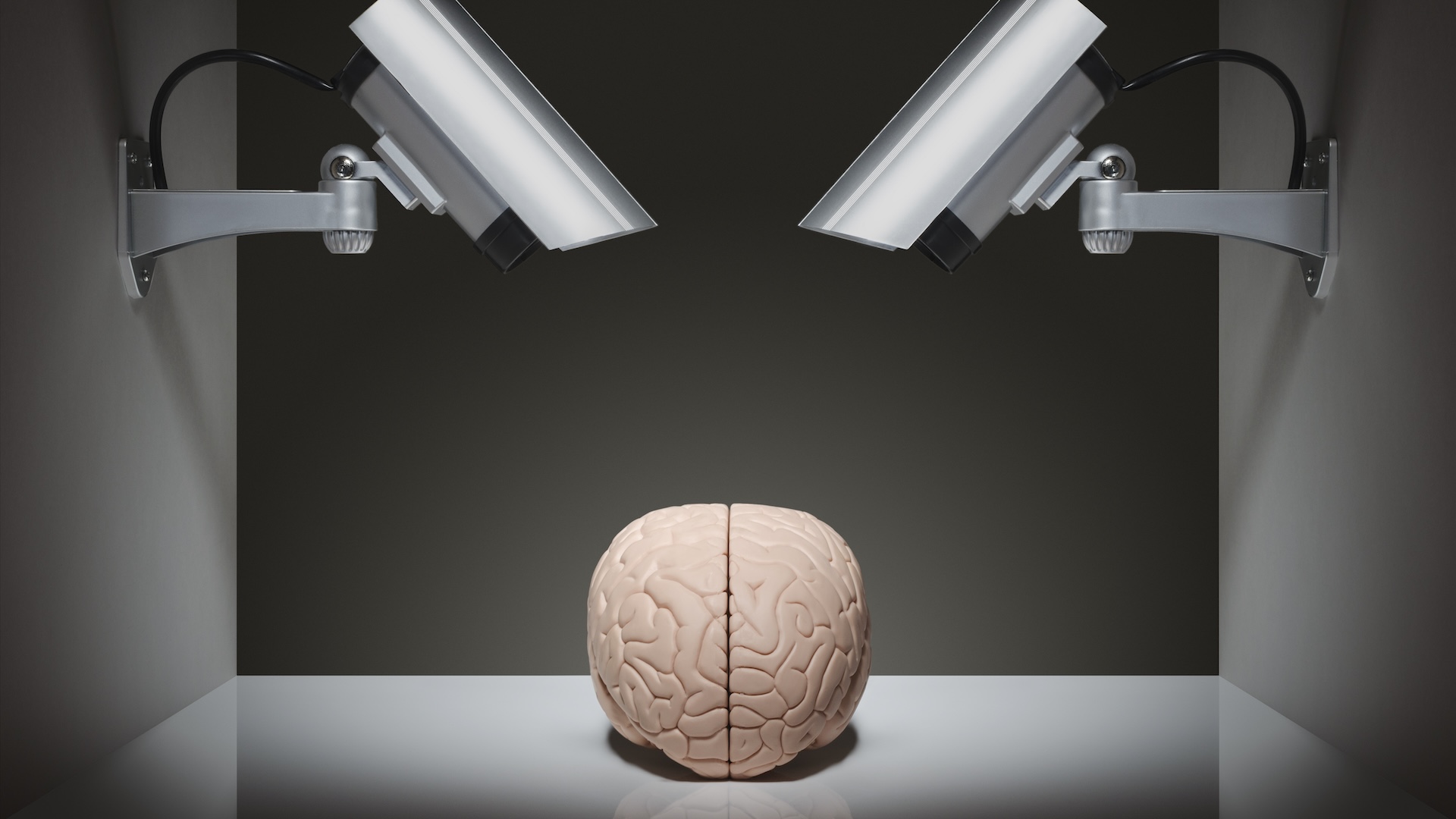
Despite all the attention on technologies that reduce the hands-on role of humans at work — such as self-driving vehicles, robot workers, artificial intelligence and so on — researchers in the field of neuroergonomics are using technology to improve how humans perform in their roles at work.
Neuroergonomics is the study of human behavior while carrying out real-world activities, including in the workplace. It involves recording a person’s brain activity in different situations or while completing certain tasks to optimize cognitive performance. For example, neuroergonomics could monitor employees as they learn new material to determine when they have mastered it. It could also help monitor fatigue in employees in roles that require optimum vigilance and determine when they need to be relieved.
Until now, research in neuroergonomics could only be conducted in highly controlled clinical laboratory environments using invasive procedures. But engineering advances now make this work possible in real-world settings with noninvasive, wearable devices. The market for this neurotechnology — defined as any technology that interfaces with the nervous system — is predicted to grow to US$21 billion by 2026 and is poised to shape the daily life of workers for many industries in the years ahead.
But this advance doesn’t come without risk.
In my work as a biomedical engineer and occupational medicine physician, I study how to improve the health, well-being and productivity of workers. Neurotechnology often focuses on how workers could use wearable brain monitoring technologies to improve brain function and performance during tasks. But neuroergonomics could also be used to better understand the human experience at work and adapt tasks and procedures to the person, not the other way around.
Related: ‘Edge of chaos’ neuroscience theory could lead to superfast computing chips that behave like superconductors
Capturing brain activity
The two most commonly used neuroergonomic wearable devices capture brain activity in different ways. Electroencephalography, or EEG, measures changes in electrical activity using electrodes attached to the scalp. Functional near-infrared spectroscopy, or fNIRS, measures changes in metabolic activity. It does this by passing infrared light through the skull to monitor blood flow.
Both methods can monitor brain activity in real time as it responds to different situations, such as a high-pressure work assignment or difficult task. For example, a study using fNIRS to monitor the brain activity of people engaged in a 30-minute sustained attention task saw significant differences in reaction time between the beginning and the end of the task. This can be critical in security- and safety-related roles that require sustained attention, such as air traffic controllers and police officers.
Neuroergonomics also studies how brain stimulation could be used to improve brain activity. These include neuromodulation technologies like transcranial electrical stimulation, or tES; transcranial magnetic stimulation, or TMS; or focused ultrasound stimulation, or FUS. For example, studies have shown that applying tES while learning a cognitive training task can lead to immediate improvements in performance that persist even on the following day. Another study found that tES may also help improve performance on tasks that involve motor skills, with potential applications in surgical skills training, military tasks and athletic performance.
High-stakes ethical questions
The use of neurotechnology in the workplace has global implications and high stakes. Advocates say neurotechnology can encourage economic growth and the betterment of society. Those against neurotechnology caution that it could fuel inequity and undermine democracy, among other possible unknown consequences.
Ushering in a new era of individualized brain monitoring and enhancement poses many ethical questions. Answering those questions requires all stakeholders — workers, occupational health professionals, lawyers, government officials, scientists, ethicists and others — to address them.
For example, how should an individual’s brain activity data be protected? There is reason to suspect that brain activity data wouldn’t be covered by the Health Insurance Portability and Accountability Act, or HIPAA, because it isn’t considered medical or health data. Additional privacy regulations may be needed.
Additionally, do employers have the right to require workers to comply with the use of neuroergonomic devices? The Genetic Information Nondiscrimination Act of 2008 prevents discrimination against workers based on their genetic data. Similar legislation could help protect workers who refuse to allow the collection of their brain information from being fired or denied insurance.
Protecting workers
The data neurotechnology collects could be used in ways that help or hurt the worker, and the potential for abuse is significant.
Employers may be able to use neurotechnology to diagnose brain-related diseases that could lead to medical treatment but also discrimination. They may also monitor how individual workers respond to different situations, gathering insights on their behavior that could adversely affect their employment or insurance status.
Just as computers and the internet have transformed life, neurotechnologies in the workplace could bring even more profound changes in the coming decades. These technologies may enable more seamless integration between workers’ brains and their work environments, both enhancing productivity while also raising many neuroethical issues.
Bringing all stakeholders into the conversation can help ensure everyone is protected and create safer work environments aimed at solving tomorrow’s challenges.
This edited article is republished from The Conversation under a Creative Commons license. Read the original article.
